Batana Oil Hair Mask: Four Simple Kitchen Recipes
A hair mask is the easiest kind of kitchen project: one bowl, a spoon, and ingredients you already own. Batana oil gives the mix its conditioning, softening backbone, and the other ingredient decides the texture. Here are four combinations, with ratios simple enough to remember at the sink.
The one rule: mix it, use it, finish it
Fresh food ingredients do not belong in a jar on the bathroom shelf. The FDA says perishable food left out for two hours or more lets bacteria multiply rapidly, and an avocado or a spoonful of yoghurt does not stop being food because it is going on your hair. So make a single-use amount, apply it within the hour, rinse, and throw away whatever is left in the bowl. If you want something to keep, that is a different recipe, and our DIY recipes guide is the place to look.
Where the ratios come from
These ratios come from plain arithmetic: oil should be the smaller part of the mix, because the kitchen ingredient carries it and helps it spread. We use one teaspoon of oil to two to four tablespoons of the base, which works out to roughly 1 part oil to 6 to 12 parts base by volume. That keeps a mask that rinses out reasonably easily. Shoulder-length hair is the reference; double it for long hair, halve it for short.
Honey: the easy one
Two tablespoons of honey and one teaspoon of batana oil, stirred until glossy. Honey is thick and dissolves in water, which makes the mask cling to hair and rinse without much fuss. It is the best place to begin if you have never made a mask before. Work it through damp mid-lengths and ends and leave it for 20 to 30 minutes.
Aloe: the light one
Two tablespoons of plain aloe vera gel with one teaspoon of oil. Water-based gel and oil do not truly blend, so stir right before you apply and expect a slightly slippery texture. It suits fine or straight hair that tends to go flat, since the gel is lighter than the other bases here. Look for a gel that lists aloe first, and patch test it, as with anything new.
Avocado: the rich one
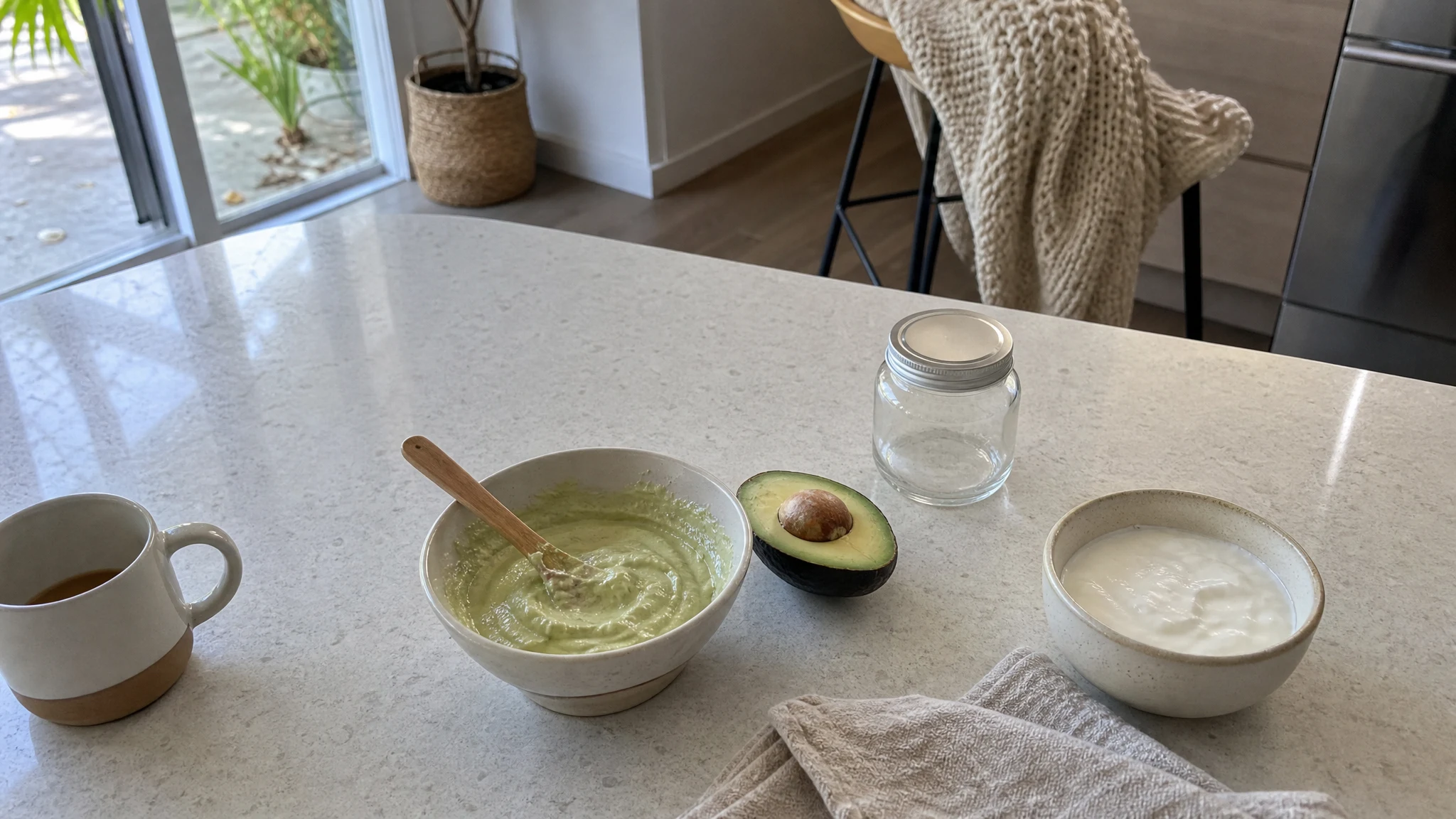
Half a ripe avocado, mashed until no lumps remain, plus two teaspoons of oil. This is the thickest of the four and the one for dry, thick or textured hair. Mash it well, since lumps are annoying to rinse. If your hair is dry and dense, leave it on for 30 minutes under a shower cap.
Yoghurt: the creamy one
Three tablespoons of plain, unsweetened yoghurt and one teaspoon of oil. It spreads like a cream conditioner and rinses cleanly. Use lukewarm to cool water for the rinse, because hot water can turn dairy to clumps in your hair.
Applying and rinsing
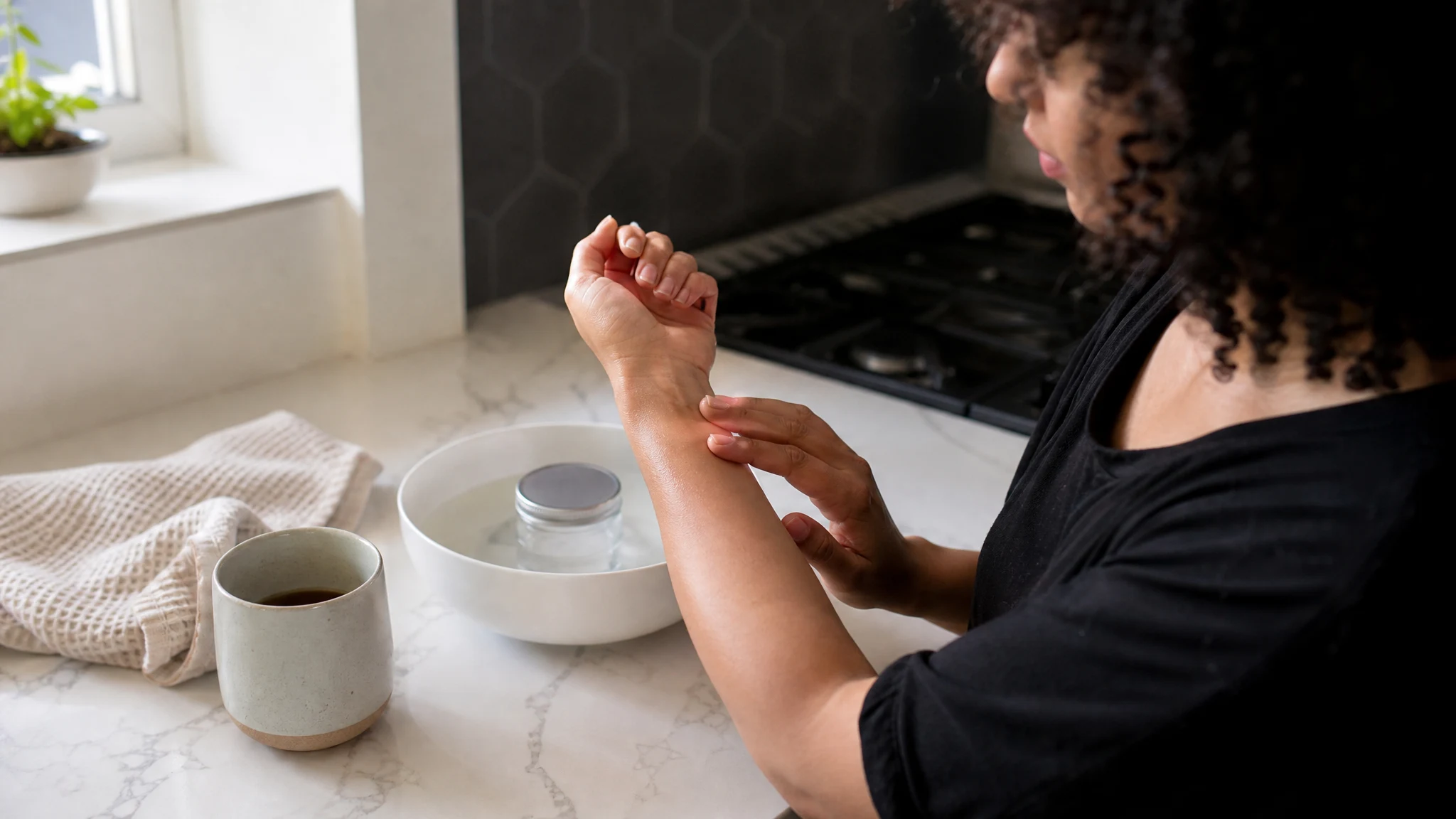
- Patch test the finished mix on your inner forearm first. Our safety line is simple: skin and hair vary, so patch test before first use and avoid eye contact. The FDA reminds us that anyone can develop an allergy at any age, and food ingredients are no exception.
- Apply to damp hair from the ends upward, and keep it off your scalp unless you intend to wash it.
- Cover with a shower cap for 20 to 30 minutes.
- Rinse thoroughly, then shampoo. The oil needs a real wash, and our wash-out guide explains the shampoo-first method.
Oil or butter in the bowl?
Natural Batana Oil stirs into any of these without effort. Natural Batana Butter has the same uses in a thicker consistency, so for the honey and avocado masks you may find it blends in a little more slowly, though it is also less likely to drip down your wrist. Use the same amounts.
What a mask will and will not do
A mask leaves hair feeling softer, smoother and glossier, which is plenty to ask for. It will not change the hair you already have, so judge it by how your hair feels the next morning rather than by a promise. If you want the oil on its own, the pre-wash route in our warm oil treatment guide is the simpler path, and our main how-to lays out everything else.
Make it on a slow evening, keep it small, and enjoy the smell of the kitchen turning into a salon for half an hour.
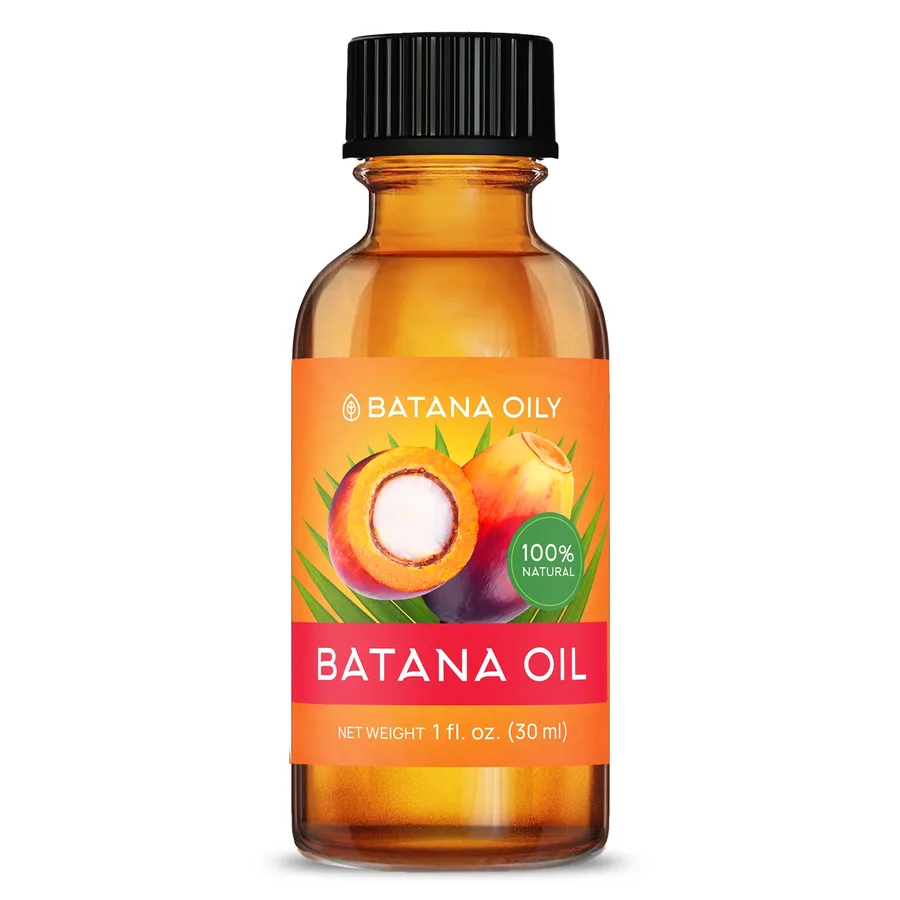
Natural Batana Oil
Honduran batana oil and batana butter, from a small bottle to bulk sizes.
From $12.99
Shop Batana Oil →Sources & Further Reading
- Refrigerator Thermometers - Cold Facts about Food Safety (U.S. Food and Drug Administration)
- Allergens in Cosmetics (U.S. Food and Drug Administration)