How Often to Use Batana Oil: A Plain Frequency Guide
If you have a favourite oil, it is tempting to use it every day. With batana oil we would resist that, and the reason is practical rather than cautious: the right frequency depends far more on how you use it than on the oil itself. A drop at the ends is a very different thing from a pre-wash soak.
Start with what you are doing
Batana oil tends to be used in three ways, and each has its own rhythm:
- Finishing drops on dry hair, one or two at the ends.
- Pre-wash oiling, left on 20 to 30 minutes before shampoo.
- Long treatments, a few hours or a night.
Our how-to, how to use batana oil, walks through each. This guide is about how often.
A frequency matrix
These are our starting points, reasoned from how hair holds oil and how often it is washed. Treat them as a first draft and adjust by feel.
| Hair | Finishing drops | Pre-wash | Long treatment |
|---|---|---|---|
| Fine or straight | A day or two a week, if at all | Every second or third wash | Rarely |
| Wavy | A few times a week | Weekly | Once a month |
| Thick, curly or coily | As often as you like, in small amounts | Weekly or every wash | Every week or two |
The pattern is simple. The more surface area and dryness your hair has, the more often it will take oil before it looks weighed down.
Your wash schedule sets the pace
If you wash daily, a pre-wash every wash would be a lot. Pick one wash a week for the oil and leave the rest alone. If you wash every ten days, a few finishing drops between washes is a good way to keep ends looking smooth without ever building up a heavy layer. We do not think there is a single right number, only a rhythm that fits your wash day.
It also helps to know that oil that has not been washed out accumulates. A 2003 laboratory study on coconut oil, which tested use before and after washing, looked at oil as part of a wash routine, not as something left in indefinitely. That is coconut, not batana, but the habit it points to is a sound one: oil tied to a wash, rather than layered on top of itself.
Signs you are using too much
Your hair will tell you before any rule can:
- It looks stringy or clumped within a day of washing.
- It feels coated rather than soft.
- Your style will not hold, or your roots look greasy sooner than usual.
- Your pillowcase and collar pick up oil.
If you see any of these, halve the amount or double the gap, and wash it out properly using our shampoo-first method.
Give a new routine time
People often ask how soon they will see a difference, and honest answers vary. Softness and shine from a single use are the main thing you can expect to notice, and our timing guide covers what to look for. Try one new routine at a time for two or three washes, so you know which change you are seeing.
Overnight is the exception
A long treatment is the rarest item on the menu. We lay out why in our overnight guide.
A note on skin
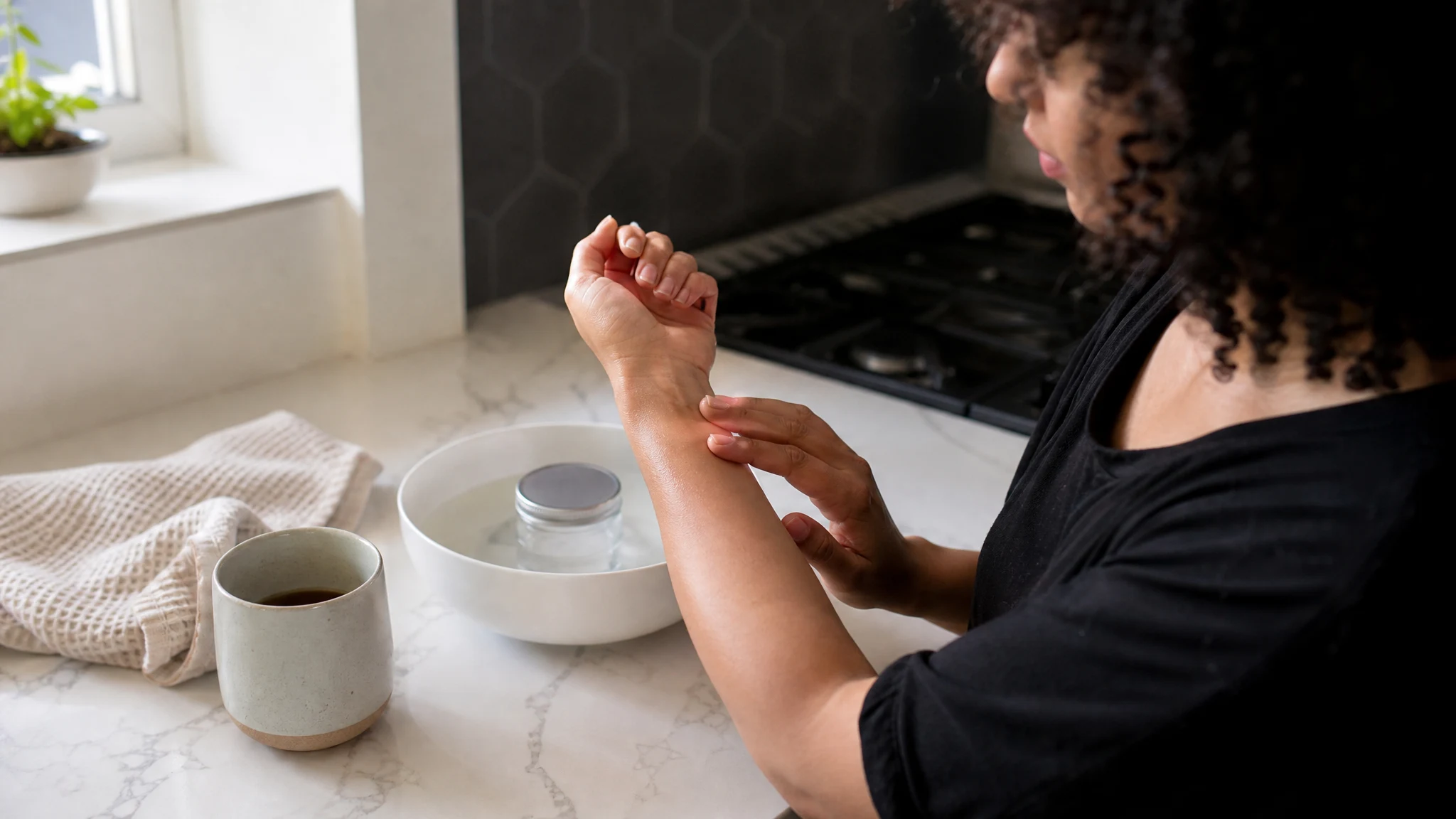
Before any routine, patch test: our line is that skin and hair vary from person to person, so patch test before first use, avoid eye contact and use externally only. The FDA notes that anyone can develop an allergy at any age, so if your skin or scalp turns red, itchy or sore, stop and ask a dermatologist.
Oil or butter?
Frequency does not change with the product. Natural Batana Oil suits finishing drops; Natural Batana Butter is the thicker form with the same uses, and its lesser tendency to drip makes it handy for longer treatments.
Start small, watch your hair, and let the routine settle at whatever frequency leaves you pleased with how it looks and feels.
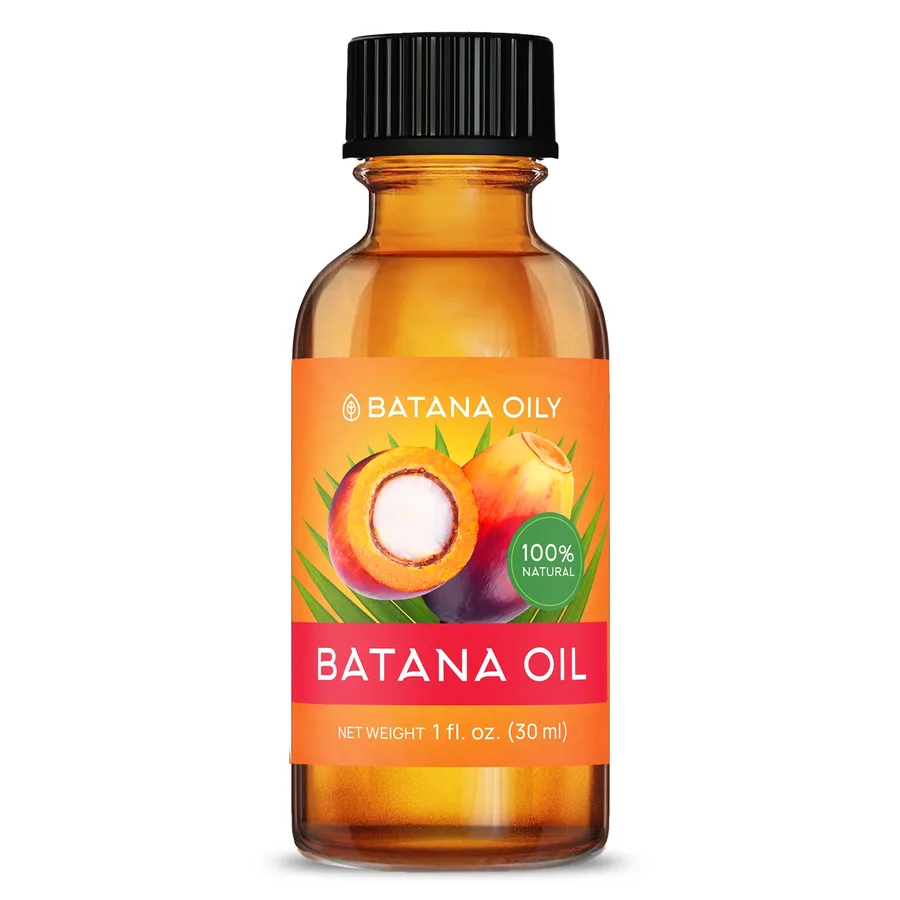
Natural Batana Oil
Honduran batana oil and batana butter, from a small bottle to bulk sizes.
From $12.99
Shop Batana Oil →Sources & Further Reading
- Effect of mineral oil, sunflower oil, and coconut oil on prevention of hair damage (Rele and Mohile, Journal of Cosmetic Science, 2003)
- Allergens in Cosmetics (U.S. Food and Drug Administration)