Batana Oil for Locs and Braids: Light Hands, Clean Scalp
The hour after a fresh install is the sweet spot for oiling: the parts are clean, the hair is tidy, and it is tempting to run oil along every line of the scalp. Our advice for locs and braids is to resist that urge and use a small, deliberate amount. Compact hair holds on to whatever you put on it, so a little oil goes a long way and a lot of oil takes a long time to come out.
Why light hands win
Braids and locs bundle the hair into tight, dense units. That is what makes them such good low-maintenance styles, but it also means product has fewer ways out. Oil, cream and gel that would rinse away from loose hair stay tucked between the strands, where they can collect lint and dust and leave a dull, heavy feel. We reason from that structure rather than from any single study: the denser the style, the less you should add.
The American Academy of Dermatology makes a related point in its everyday-care advice for Black hair. It suggests washing once a week or every other week, notes that built-up product can dry hair out, and recommends conditioning the ends at every wash. In protective styles that can mean fewer and shorter wash days, so every layer you add has to be worth carrying for a week or two.
Technique: small, targeted and warm
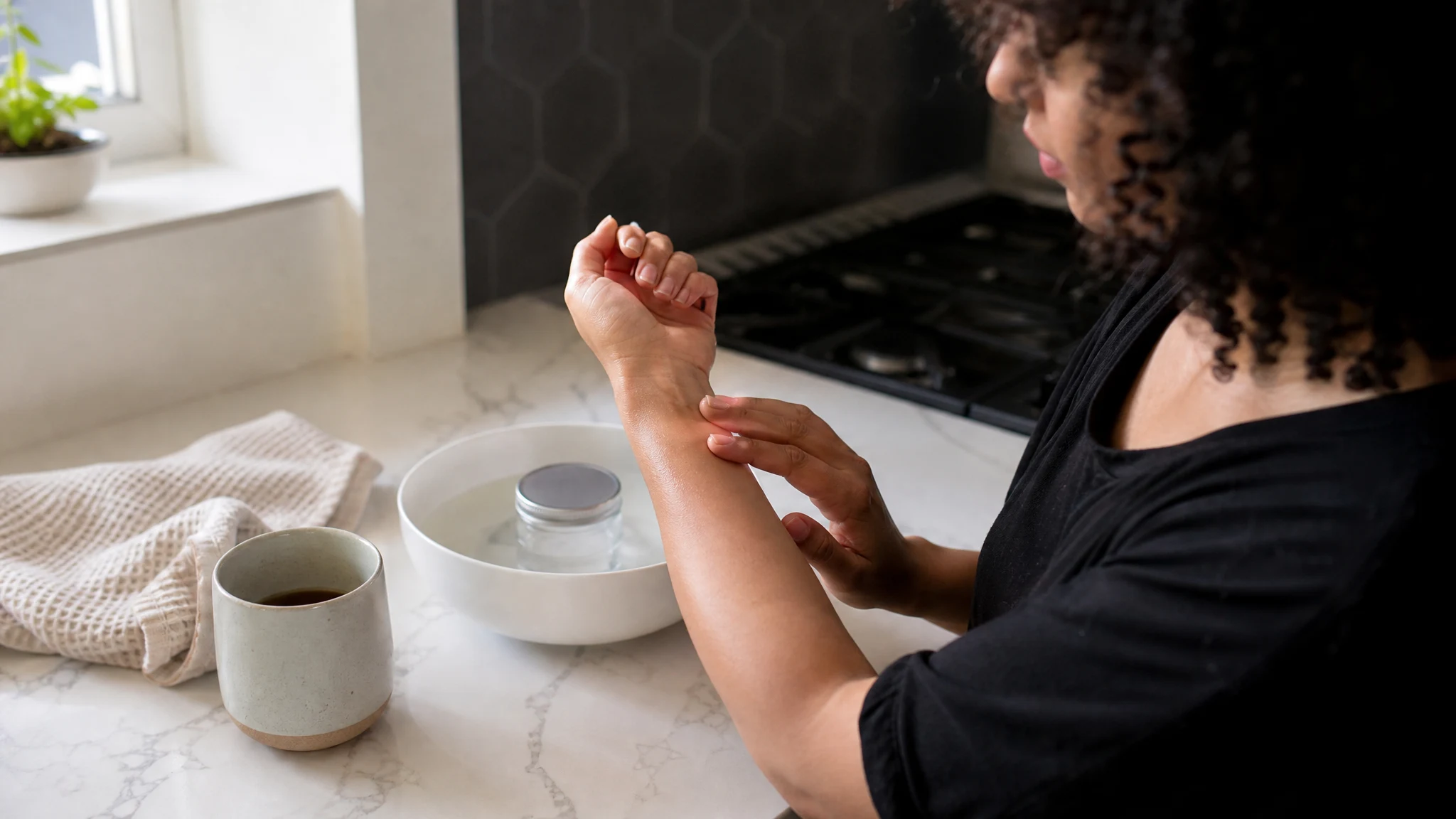
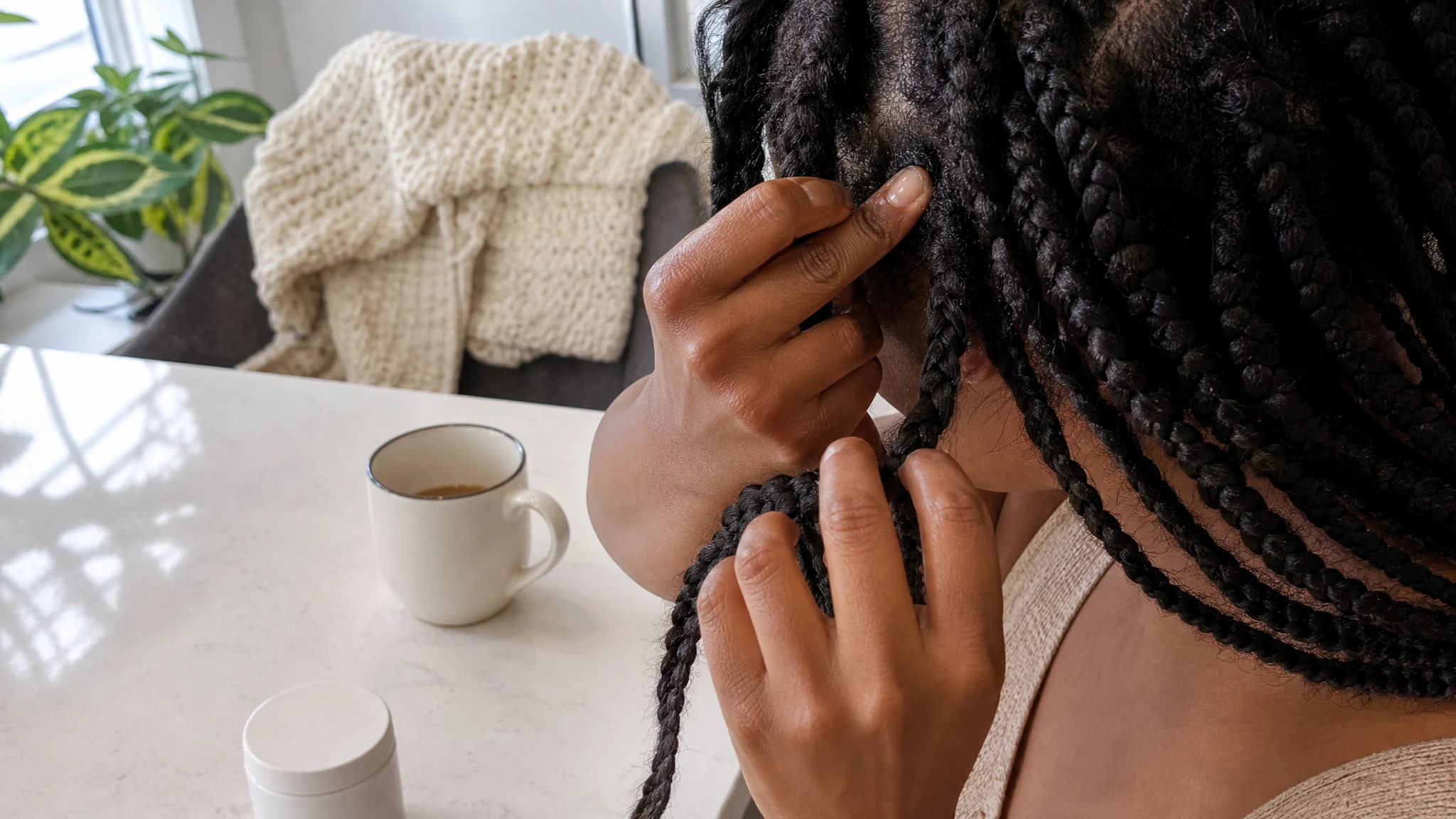
- Work from a fingertip, not a bottle. Put one drop on a fingertip, warm it against your thumb, and tap it along a parting or at the base of one braid. One drop covers a few partings, so keep going only if the skin still feels dry once you have run through them.
- For locs, use your palms. Rub two or three drops together, then roll each loc between your hands from the middle down to the ends, rather than saturating the root.
- Ends first. The ends are the oldest and most fragile part of the hair, and the AAD says so. A little oil there is worth more than a lot at the scalp.
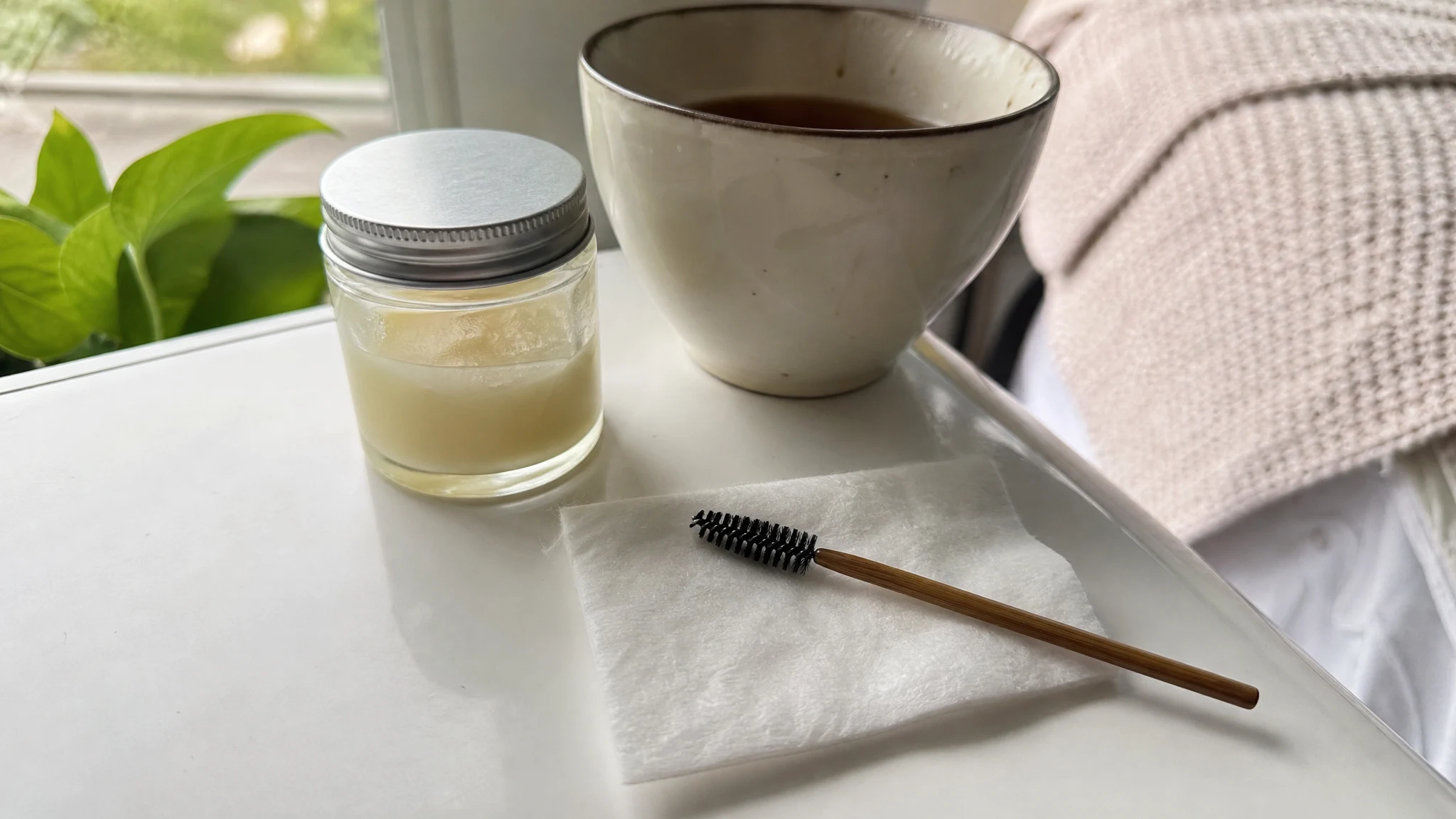
- Take the butter to the ends. Our butter has the same uses as our oil in a thicker consistency and is less likely to drip or spill, so a small smear sealing the tips of braids works well. Keep the thicker form away from the roots.
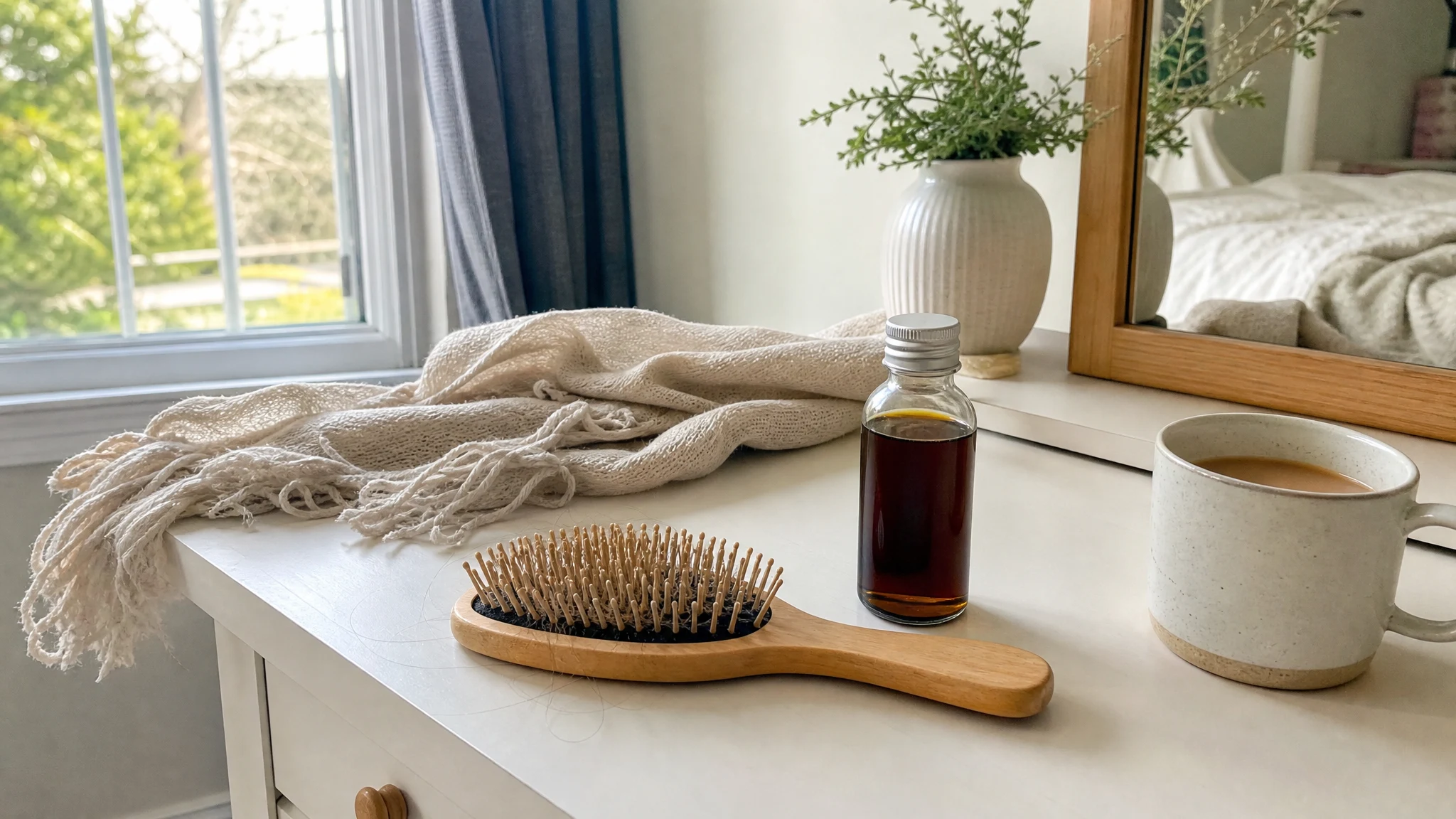
Use our oil sparingly at the scalp. It adds a little softness and shine, with an earthy aroma, and is easiest to control when you measure it in drops.
Washing without drama
The best scalp routine for any long-term style is a thorough wash with a residue-free shampoo, since less residue means less build-up to deal with. Aim shampoo at the scalp and the partings, press suds down the length rather than scrubbing, and rinse for longer than feels necessary: dense styles can hold shampoo, oil and product inside the hair even when the surface feels clean. Then let the hair dry completely before you cover or tie it. Our post on washing batana oil out gives more detail on getting it off, and a quick look at how to use batana oil covers the overall method.
What oil is not for
Oil is a finishing step. It cannot make a style that is too tight any easier on you, and no amount of it takes the place of a stylist who works with your hair gently. The AAD says plainly that braids, cornrows and weaves should not be too tight and that, if a style hurts while it is being installed, you should ask the stylist to stop and redo it. If the hairline looks sore or irritated, or the scalp itches, flakes or hurts, that belongs with a dermatologist, and we sell a cosmetic oil, not a treatment. For the hairline itself, see our edges guide, and for the wider picture, our guide to coily hair shows where oil fits in a moisture routine.
Done well, an oiled style looks soft and a little glossy without feeling heavy, and that is a good sign you used the right amount.
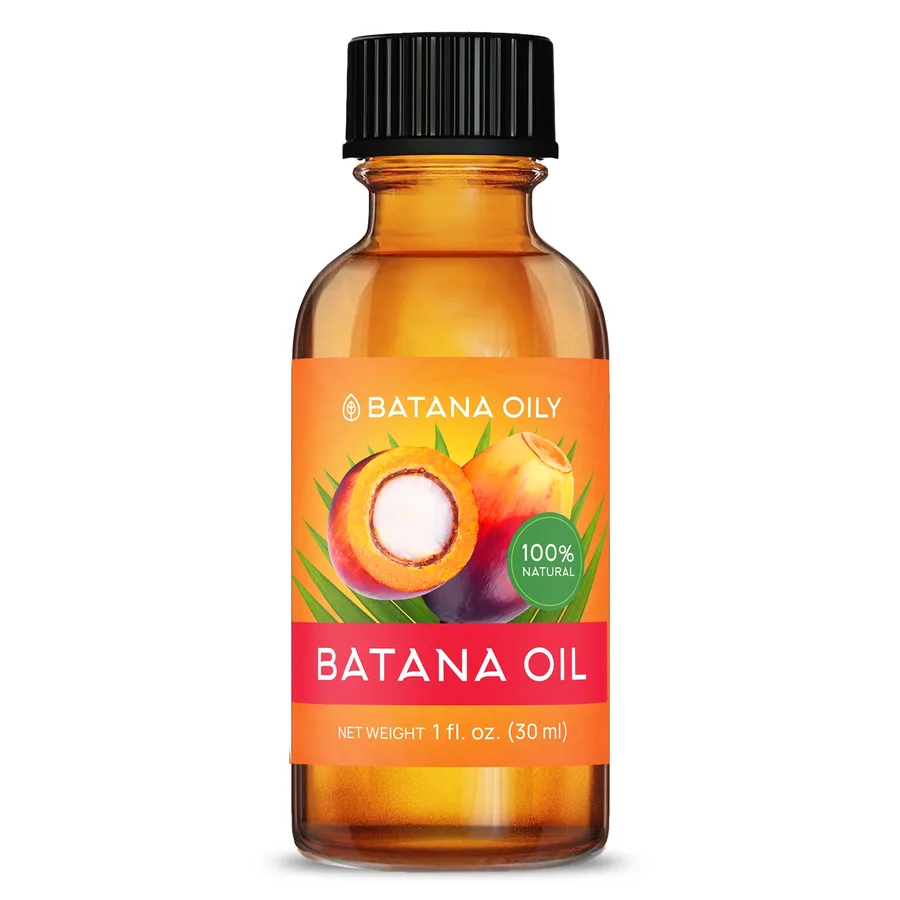
Natural Batana Oil
Honduran batana oil and batana butter, from a small bottle to bulk sizes.
From $12.99
Shop Batana Oil →Sources & Further Reading
- Black hair: Tips for everyday care, American Academy of Dermatology
- Hair Cosmetics: An Overview, Gavazzoni Dias MFR, International Journal of Trichology, 2015