Batana Oil for 4C Hair: Where It Fits in Your Routine
Anyone with 4C hair knows the small drama of wash day: a twist-out that is long and heavy when wet and a good deal shorter once it dries. That shrinkage is a big part of what makes coily hair beautiful, and it is also why moisture routines get so much attention. So where does a rich plant oil like batana belong? Our answer is at the end of the routine, in small amounts, and after the water has done its job.
Oil seals; it does not hydrate
This is the idea that makes every other decision easier. Hair takes on moisture from water, and oil sits on or in the hair afterwards. A review of hair cosmetics in the International Journal of Trichology describes how some oils can reduce the amount of water absorbed by the hair, while others work as a surface film that adds shine and cuts friction. Put plainly, an oil can change how hair behaves around moisture, but it cannot supply any. If you put oil on dry, thirsty strands, you get shiny dry strands.
That is why the popular layering routines start with water. In LOC, the letters stand for liquid (or a water-based leave-in), oil, then cream. LCO swaps the last two, putting the cream before the oil. Neither order is the correct one. If your hair dries out by midweek, try the oil last so it sits on the outside; if twists feel greasy and flat, put the cream last. Treat these as two starting points to adjust, not a rulebook.
Where batana oil lands in the routine
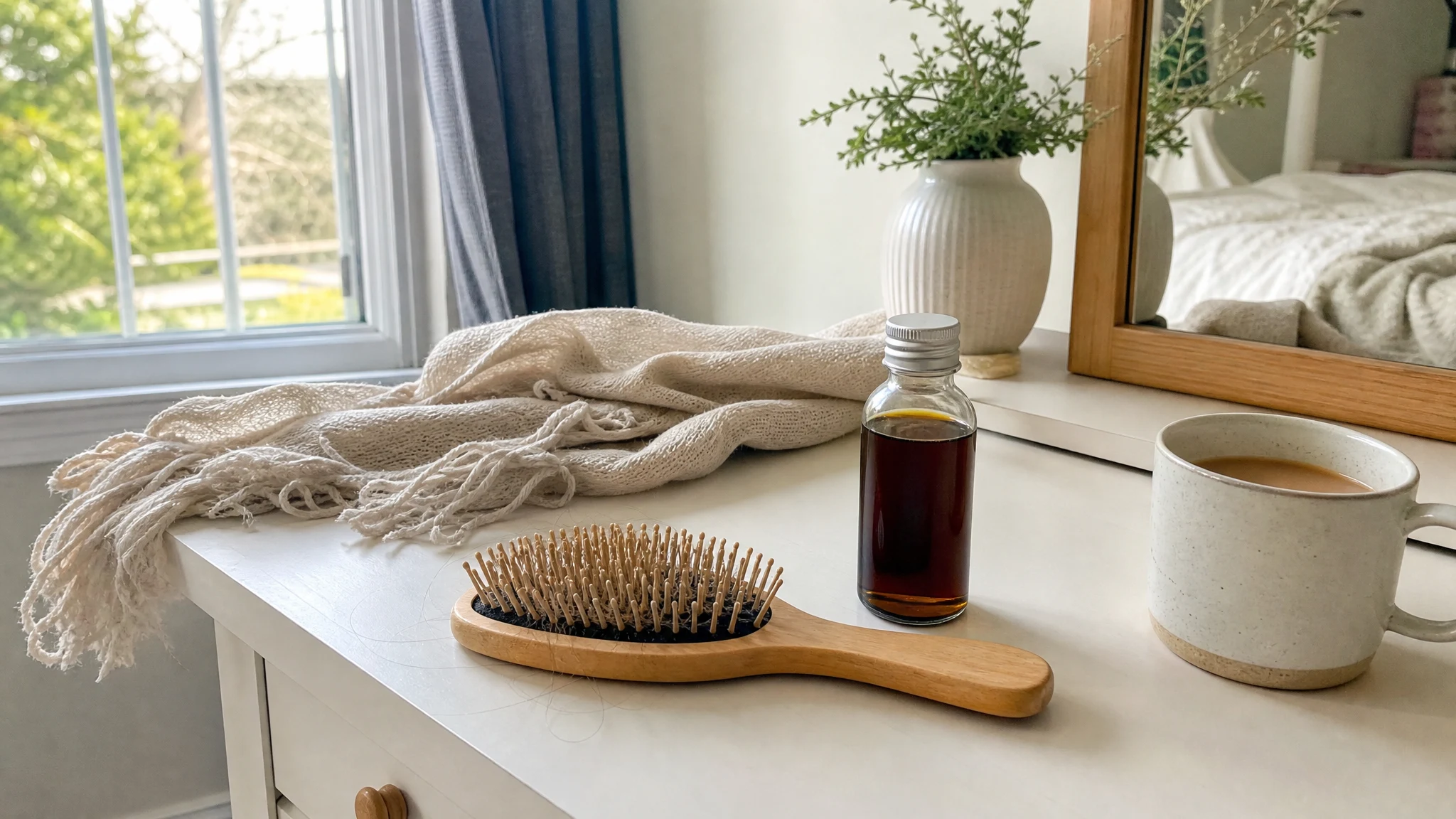
In either routine, batana is your oil step. We would start with two or three drops per section, rubbed between the palms until they are barely visible, then smoothed over damp hair and focused on the ends. The American Academy of Dermatology calls the ends the oldest and most fragile part of the hair, which makes them the sensible place for a rich oil to sit. Our oil has an earthy aroma and leaves hair feeling softer with a bit of shine.
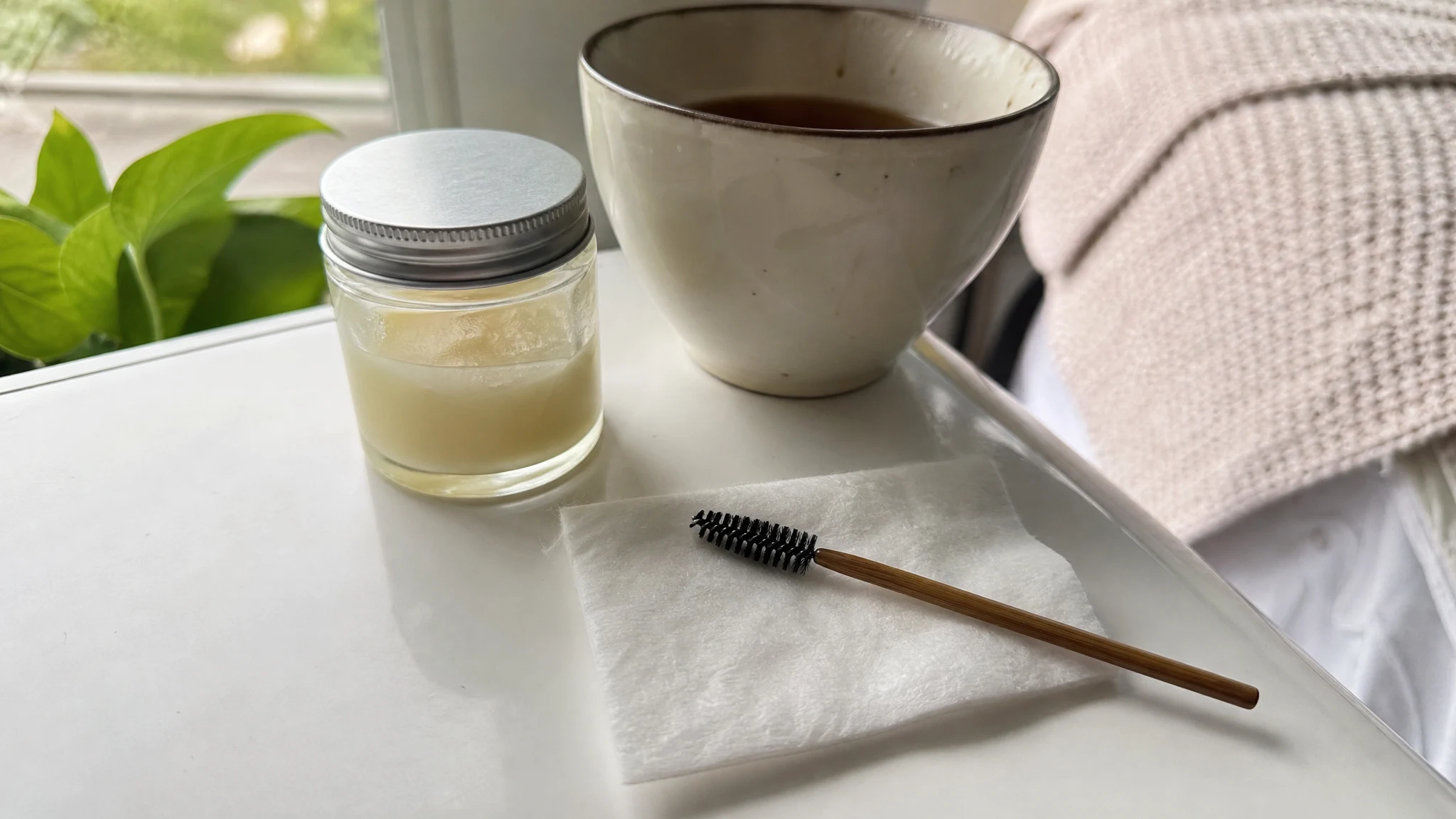
Our butter has the same uses as the oil in a thicker consistency, and it is less likely to drip or spill. That makes it a natural fit for sealing the ends of twists or braid-outs, where you want a little product to stay put. Warm a small amount between your palms and press it over the last few inches. Our guide to using batana oil goes through the basic motions, and the oil versus butter comparison helps you pick between the two forms.
Shrinkage is not a flaw to fix
Researchers who study textured hair measure shrinkage under set humidity levels, because the same head of hair will look shorter or longer depending on the air around it. A 2026 paper in the International Journal of Cosmetic Science describes methods built for exactly this, since standard tests were not designed with coily hair in mind. The practical lesson is gentle: your hair is not misbehaving when it springs up, and no oil will keep it stretched in a humid room. Stretching methods such as banding, twisting on damp hair and wearing a braid-out are the tools for length; oil is there for softness and shine.
Keep wash day unhurried
The AAD suggests washing hair once a week or every other week, conditioning at every wash, and noting that built-up product can leave hair dry. For us that argues for a light touch. Oil layered on top of cream, day after day, builds up faster than it comes out, so on a long wash cycle it pays to use a little less than feels necessary. Some people like a warm oil session before washing as well; the AAD mentions a hot oil treatment about twice a month, and we have a post on that method.
Protective styles
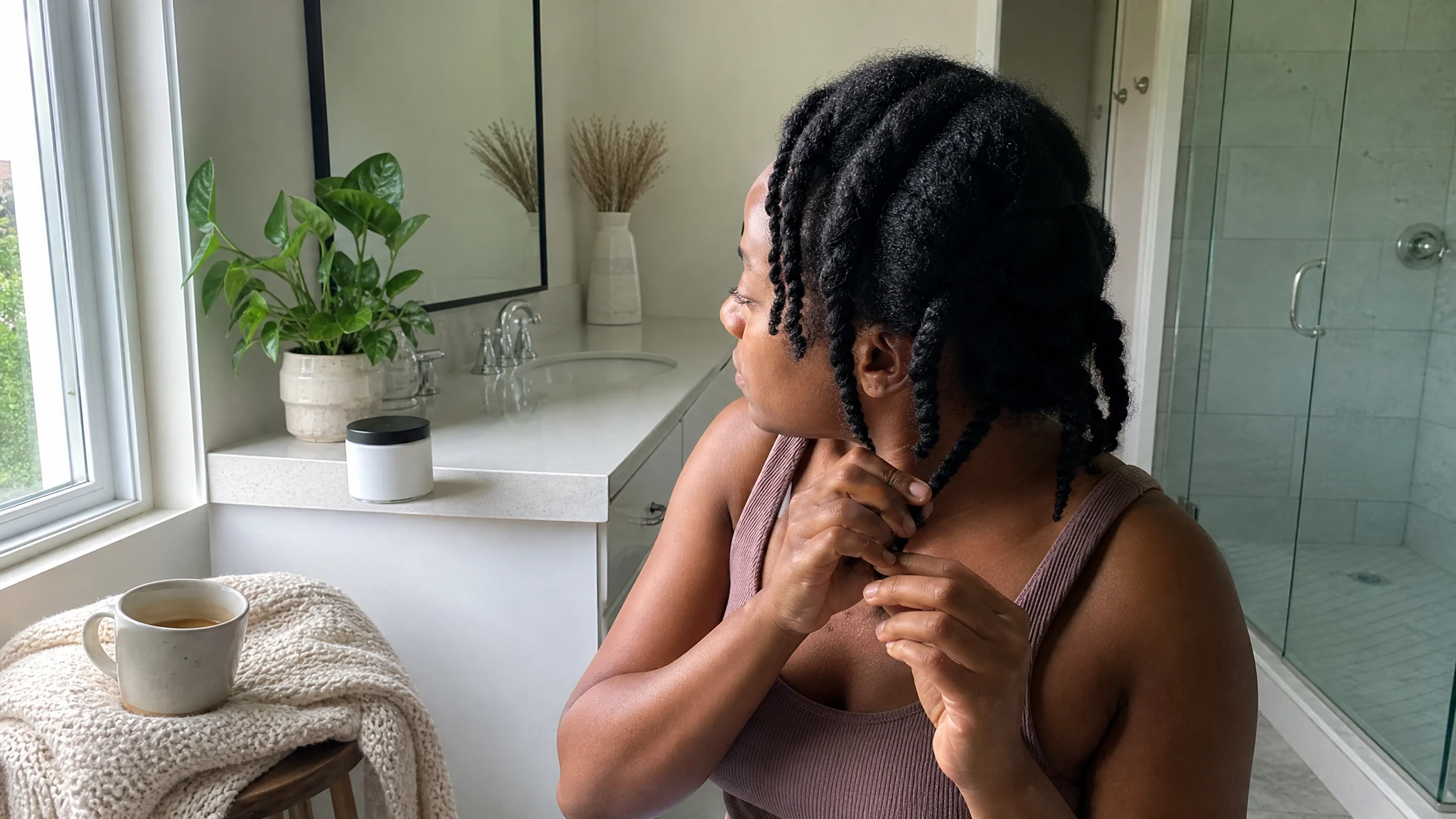
Braids, twists and buns tuck the ends away, which is the point, and oiling the ends before you style fits neatly with that. The AAD adds one practical rule that has nothing to do with oil: braids should not be tight, and if a style hurts while it is being put in, ask for it to be redone. For your hairline, which needs its own approach, see our post on edges, and for scalp care under long-term styles, our locs and braids guide has the details.
If your scalp itches, flakes or hurts, that is a question for a dermatologist rather than another layer of oil, and we sell a cosmetic oil, not a treatment. For everything else, hair that feels soft, looks glossy and holds its shape is a good place to build from.
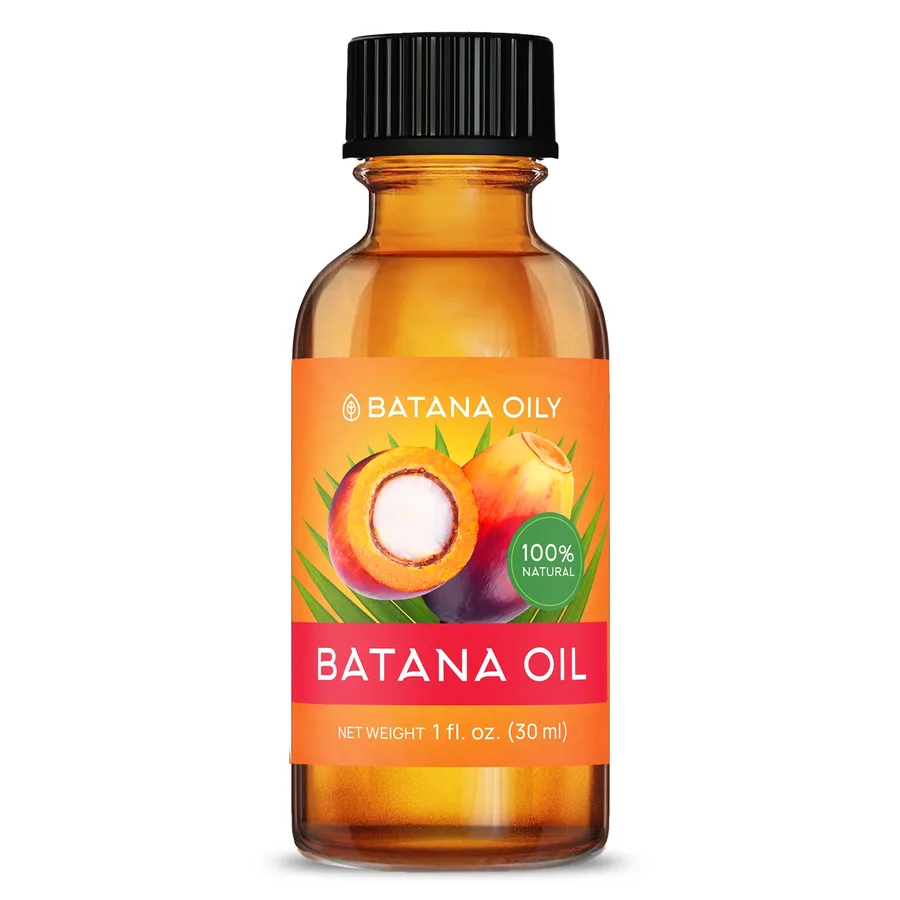
Natural Batana Oil
Honduran batana oil and batana butter, from a small bottle to bulk sizes.
From $12.99
Shop Batana Oil →Sources & Further Reading
- Black hair: Tips for everyday care, American Academy of Dermatology
- Hair Cosmetics: An Overview, Gavazzoni Dias MFR, International Journal of Trichology, 2015
- Methods adapted to evaluate products for textured hair: Shine, curl shrinkage, flexibility and consumer-perceived hair porosity, Sorrells L et al., International Journal of Cosmetic Science, 2026