Batana Oil vs Batana Butter: Which Should You Choose?
Most people choosing between batana oil and batana butter are really asking a smaller question: do I want to pour it or scoop it? We sell both, and the honest answer is that they do the same job. The difference is how they behave in your hand, and which of those behaviours suits your morning.
What is actually different
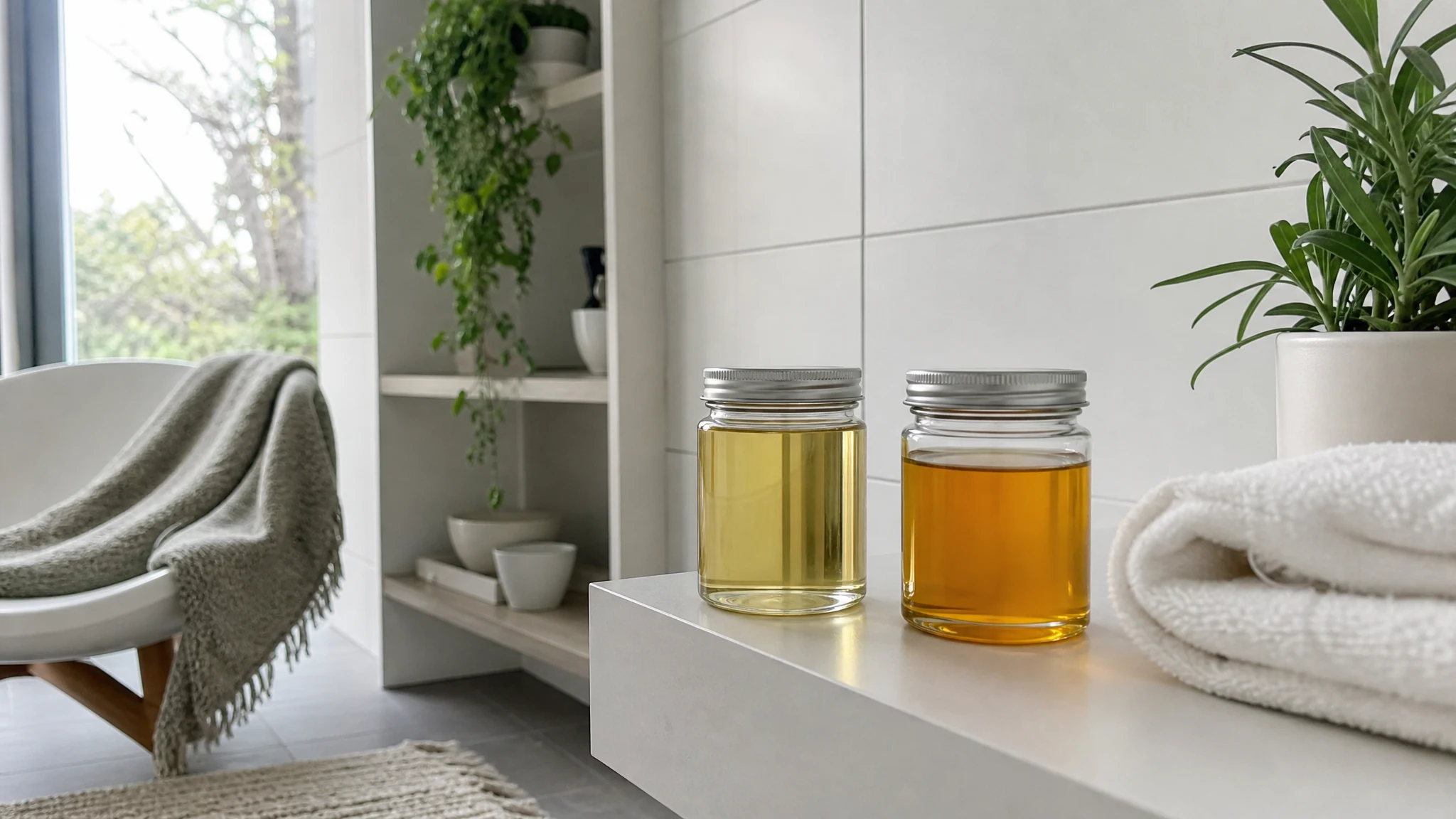
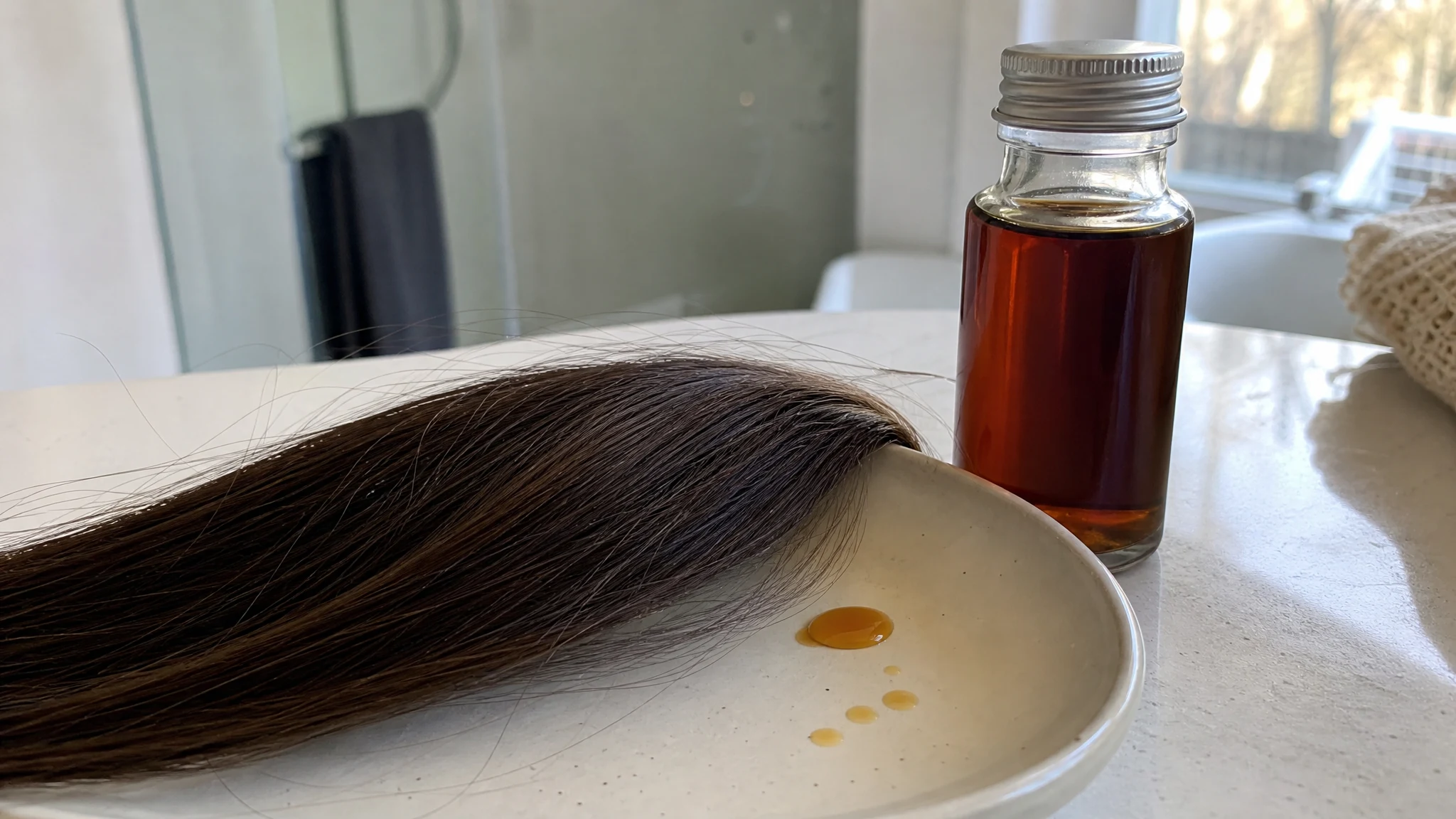
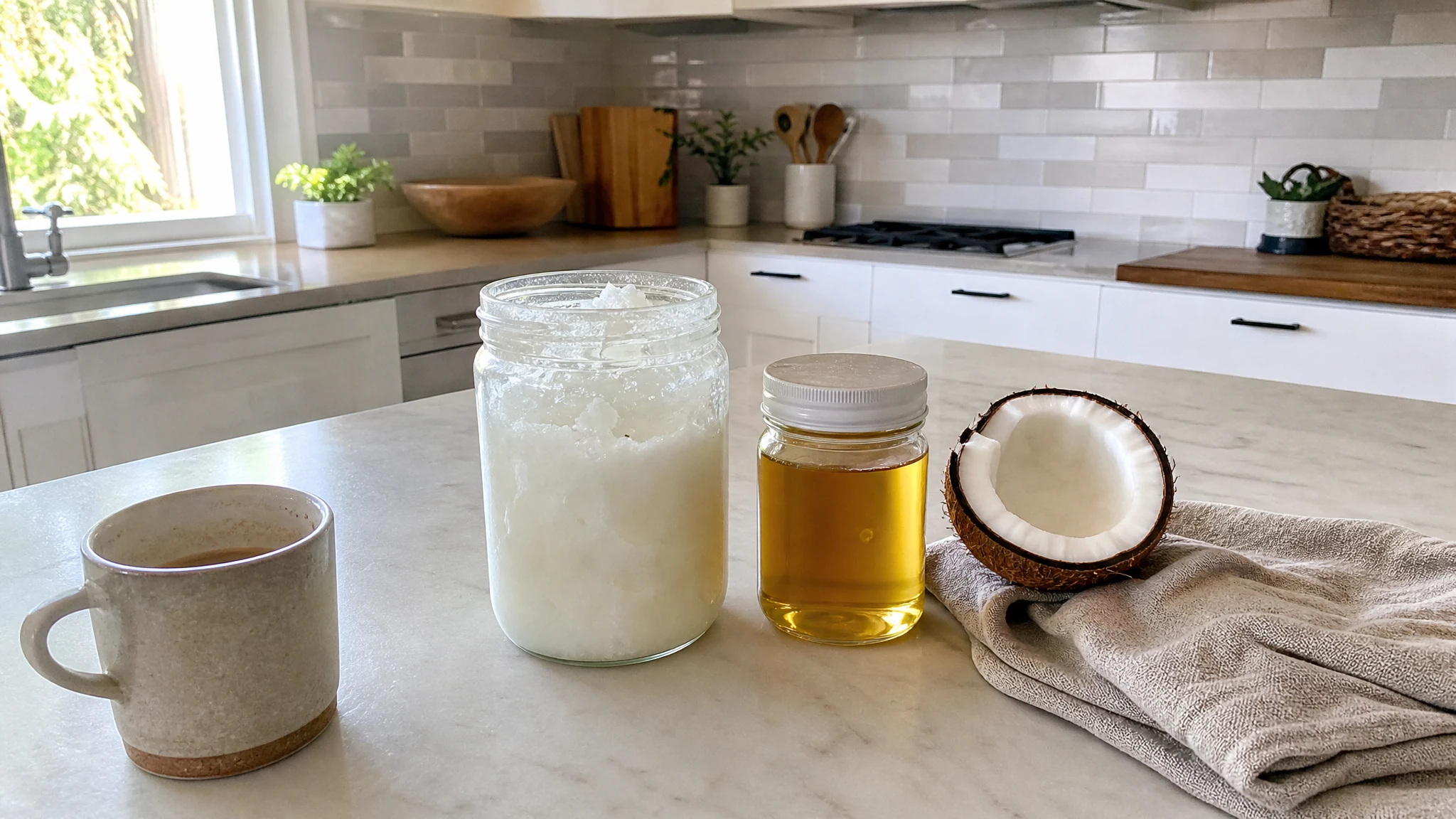
Natural Batana Oil is the oil from the nuts of the American oil palm, made in Honduras in small batches using traditional methods. Natural Batana Butter is cold-pressed, entirely free from synthetic additives, and has the same uses in a thicker consistency. That thicker consistency is the point: it is less likely to drip or spill. Everything else, from the earthy aroma to the way you use it, carries over.
That is all we claim, and we would rather say less than invent a difference. Colour, feel and smell of batana oil in general are covered in our introduction to it.
Choosing by how you will use it
Think about your hands, your counter and your patience.
- Reach for the oil when you want to add a drop to something else: a favourite skincare product, or a mix with essential oils. We say you can add it by the drop, and a drop is easy to measure.
- Reach for the butter when you want to place it exactly: a smear on the ends of dry hair, the backs of hands, heels, cuticles. It stays where you put it, and it travels without leaking.
- Take both if you are not sure. One lives by the sink, the other in a bag.
The same logic shows up in skin care generally. The American Academy of Dermatology notes that creams and ointments add more moisture than lotions. We do not read that as saying the butter is better than the oil, since we have no evidence of that. It does suggest that a thicker product is a comfortable choice for the driest spots, such as heels, elbows and knuckles in winter, and it is a reasonable thing to think about when picking. If you are not sure, start with the smaller size of whichever feels closer to how you already moisturize.
Hair, skin and everyday routines
For hair, how you apply matters more than the format. Our guide on how to use batana oil walks through amounts and where to start, and either form fits. For skin, our notes on the body routine cover the same ground. If you like making things at home, the DIY recipes are where the oil-versus-butter choice becomes practical: oil for thin mixes, butter for whipped ones.
What we do not sell, and why that is fine
We do not sell shampoo, serum, hair masks, leave-in conditioners or beard balm. If you want one of those, you will find them at a craft supply shop, a pharmacy or the grocery store. Our view is that a bottle of oil is usually the better value than a formulated product built around it. A formulated product is a recipe, and part of it is water and other ingredients that carry the batana along with them, while a bottle of oil is the ingredient itself, a drop at a time, in your hands. If you like to know exactly what you are putting on, that is a real advantage. That is reasoning, not a promise about any brand. Skin and hair vary, patch test before first use, and keep it away from your eyes.
If you are comparing formats to buy in volume, our bulk buying guide and wholesale page cover both the oil and the butter by the pound, and our buyer's checklist is a good companion to this one.
In the end, you cannot choose wrong. One pours, one scoops, and the same earthy aroma comes with either.
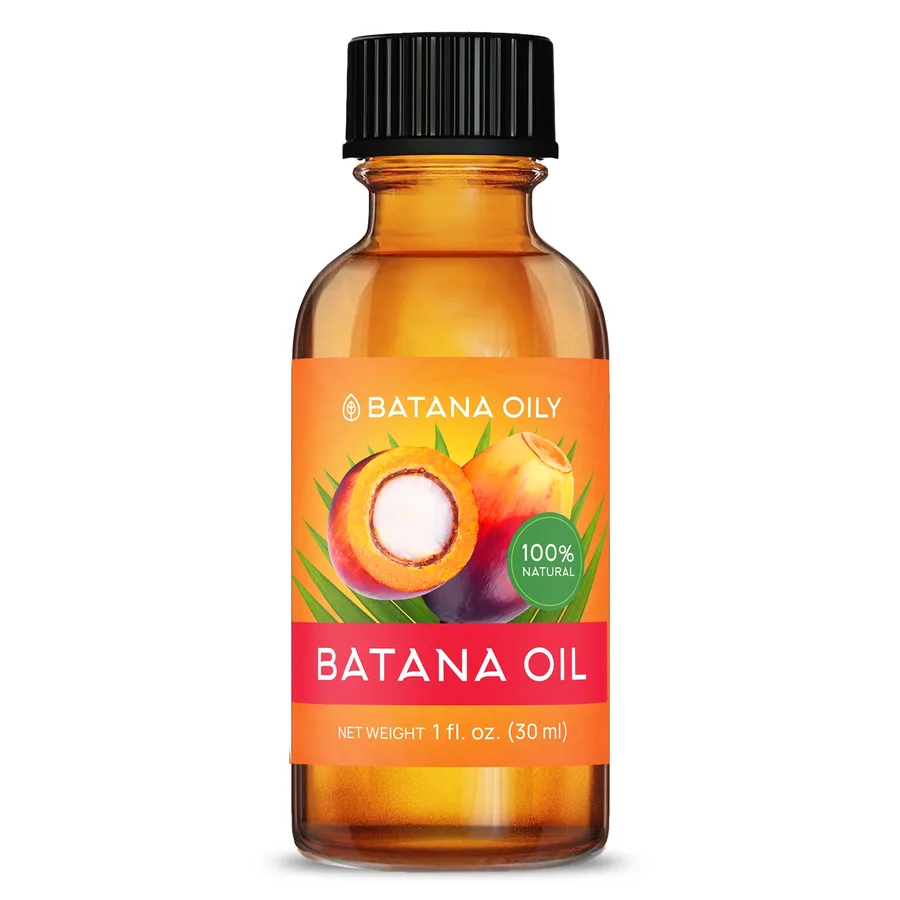
Natural Batana Oil
Honduran batana oil and batana butter, from a small bottle to bulk sizes.
From $12.99
Shop Batana Oil →Sources & Further Reading
- Dermatologists' top tips for relieving dry skin, American Academy of Dermatology