How to Tell If Batana Oil Is Real: A Buyer's Checklist
There is no kitchen test that proves a jar of batana oil is what it says it is. Not a drop of water, not the fridge, not a squint at the colour. Anyone telling you otherwise is selling a trick. What does work is the same thing that works for any ingredient: a paper trail you can read, and a few questions a transparent seller answers happily.
Start with the name on the plant
Batana oil comes from Elaeis oleifera, the American oil palm. Its better-known cousin, Elaeis guineensis, the African oil palm, supplies nearly all the palm oil and palm kernel oil on the world market. The two are in the same genus and look alike on a label that skips the Latin, but they are different plants with different oils. Reviews of the palm literature note that the American palm yields considerably less oil than the African one, which is part of why a cheap, abundant "batana" deserves a second look. Palm kernel oil from the African palm is also a markedly different fat: lauric acid makes up about 45 percent of it and saturated fats about 80 percent, which is a far firmer, more coconut-like oil. We unpack the gap in what is in batana oil.
So the first line to look for is the botanical name. We name ours plainly on our product pages: Natural Batana Oil is from Honduras, extracted from the nuts of the American oil palm, Elaeis oleifera. Our page on the batana plant explains the difference between the two palms in more detail.
Read the ingredient list like a detective
In the United States, cosmetic ingredients are listed in descending order of predominance, and the FDA allows scent to be declared as just "fragrance", without naming what is in it. That gives you two simple tests. If an oil sold as batana lists another oil first, the other oil is the main ingredient. And if the list ends in "fragrance" or "parfum", something has been added to the smell.
The recognised cosmetic name for the oil is Elaeis Oleifera Kernel Oil, which the COSMILE Europe ingredient database lists as made from the kernels of the American oil palm. The FDA also allows a Latin name in parentheses beside a common name, so "batana oil (Elaeis oleifera kernel oil)" is a normal way to write it. A label that offers only "palm oil", "palm kernel oil" or an unexplained "batana blend" has told you less than you need.
Read the front of the pack with the same care. "Batana" in the product name, "infused with batana" and "contains batana" are not the same statement as a list that starts with the oil itself. A blend can be perfectly good, as long as it says it is one.
Colour and smell: clues, not verdicts
It is tempting to judge by eye and nose, and both are worth a look, though neither settles the question. Traditionally made batana oil is described as having a toasty, earthy aroma, and depth of colour comes from natural pigments and roasting (see why batana oil is dark and smells toasty), but descriptions of the real thing vary, and a pale odourless oil can simply be a refined one. A strong sweet perfume is more telling than a shade of brown, because it can mean scent was added. Texture changes with temperature too, so a jar that is stiff or runny on a given day proves little either way (why batana oil goes grainy or solid explains that).
Does the price make sense?
We will not put a number on it, because the right number depends on size, season and the seller. But the logic is worth walking through. A commodity palm oil is cheap because the African palm produces so much of it. An oil from a less productive palm that is gathered, roasted and pressed in small batches has no way to compete with that on cost. If a listing for "pure batana" is priced like a bulk cooking oil, ask how that is possible. Equally, a very high price is not proof of authenticity, so look at what you are being told as well as what you are being charged. Our look at how to choose batana oil goes further, and so does the guide to buying batana oil in bulk if you buy by the pound.
A seller who answers is a seller worth buying from
The last test is the simplest. Can you reach the seller? Do they say where the oil comes from, name the plant, and show a real address and a way to ask a question? We are in Beltsville, Maryland, answer at [email protected], and are open Monday to Friday, and you are welcome to ask us anything about what we sell through our contact page. Ask any seller, us included, three things: the botanical name, whether anything else is in the jar, and what the heat or refining history of the oil is. We would think more of a seller who says "I do not know" than one who answers with adjectives. For the vocabulary of those answers, raw vs refined batana oil is the companion piece.
Keep the paper trail, trust a clear answer over a confident slogan, and the real thing is easy enough to find.
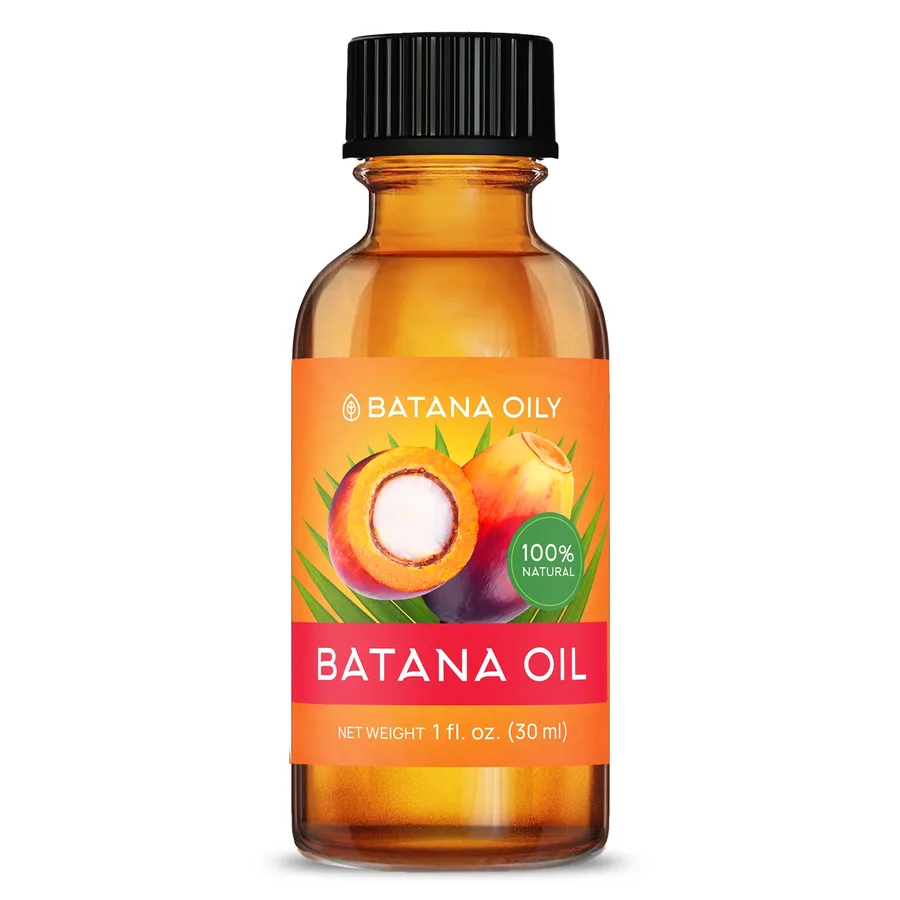
Natural Batana Oil
Honduran batana oil and batana butter, from a small bottle to bulk sizes.
From $12.99
Shop Batana Oil →Sources & Further Reading
- Current Knowledge on Interspecific Hybrid Palm Oils as Food and Food Ingredient. Foods 9(5):631 (2020). (American palm yields less oil; palm kernel oil composition.)
- U.S. Food and Drug Administration. Cosmetics Labeling Guide. (Ingredients in descending order of predominance; "fragrance".)
- U.S. Food and Drug Administration. Cosmetic Ingredient Names. (Latin name allowed in parentheses.)
- COSMILE Europe. ELAEIS OLEIFERA KERNEL OIL – Ingredient. (INCI name and plant part.)
- Characterization of Mesocarp and Kernel Lipids from Elaeis guineensis Jacq., Elaeis oleifera [Kunth] Cortés, and Their Interspecific Hybrids. Journal of Agricultural and Food Chemistry (2017).