Ethical Batana Oil: Questions to Ask Before You Buy
"Ethical" and "sustainable" are words anyone can print on a jar. With batana oil they deserve a closer look, because the palm, the people and the trade behind it are better documented than most, and that record shows what a good answer from a seller should sound like.
Start with the palm
The word "palm oil" carries baggage. A 2024 review of the industry in Foods says plainly that palm oil production poses significant environmental challenges, and the African oil palm behind it is grown in large plantations. Batana comes from a different species, the American oil palm, Elaeis oleifera. The Rainforest Alliance's case study of Honduran producers says it is rarely planted: it grows naturally in the Muskitia's flooded forests and mangroves, and Miskitu communities have managed and harvested it there for generations. So the plantation story does not apply, which is genuinely good news.
It does not settle the question, though. A wild palm can still be over-harvested, and "natural" is not the same as "sustainable." What matters is whether anyone is watching the harvest.
What a documented chain looks like
The same report shows what watching looks like in practice. Producers organized into an enterprise, Moskibatana, of 2,007 members across 40 communities, 1,186 of them women. In September 2010 it received a Forest Stewardship Council certificate covering about 55,600 hectares, and the report says guidelines for sustainable management of the harvest were built from Miskitu harvesting traditions. For the people and place behind this, see where batana oil comes from.
The report also does something rare for a sustainability document: it admits what has not worked. Its benefit-sharing rule, a ten percent trust, was not followed once sales fell. The price had stayed constant for years, and with a single main buyer, a drop in demand cut per-producer volumes by more than 70 percent. A certificate is a snapshot; livelihoods depend on a market that can move.
That is the lesson we would take for any buyer. Ethical sourcing is not a badge you earn once. It is a long relationship in which the buyer keeps buying, pays a price that holds up, and keeps the harvest visible. A seller who talks about the relationship, and not only the badge, is usually the one thinking about it properly. Steady purchasing matters more than a dramatic announcement, as the fall in demand described in the report shows.
Five questions to ask any batana seller
- Where is it from, specifically? "Honduras" is a start; a seller who can say more is worth listening to.
- Which palm? A seller should name Elaeis oleifera, not just "palm."
- Who stands behind the claim? Words like "fair trade" and "certified" belong to named programs. If a page uses them, it should name the program and what it covers.
- How is it made? Honest answers are specific and include what varies; see how batana oil is made.
- How many hands? Short chains are easier to trace than long ones.
Be wary of vague promises about helping communities, especially with dollar figures and no source. The Honduran record shows how modest the numbers can be, which is a reason to prefer honest sellers over triumphant ones. Our look at why batana oil is expensive goes into what a price can and cannot tell you.
Our own line
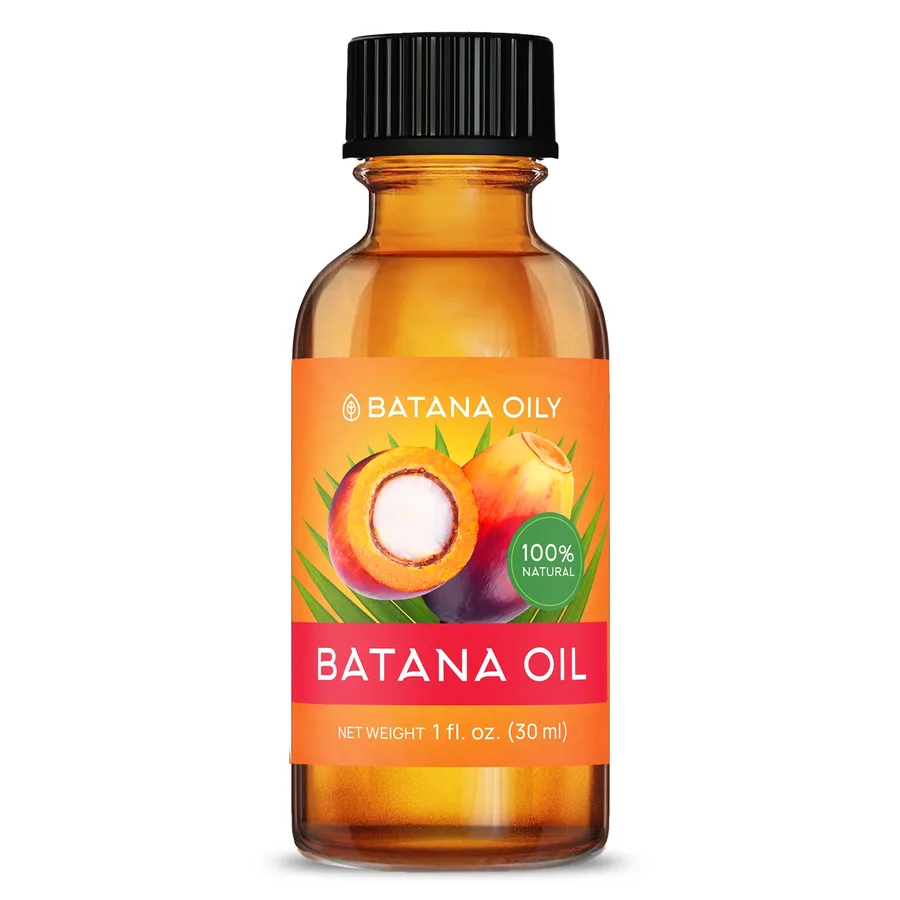
Here is what we can say plainly. Our Natural Batana Oil is from Honduras, from a single trusted supplier, made in small batches using traditional methods. We do not use fair trade or certification language for it, because those words are for named programs and we would rather not borrow them. We also do not name a community or promise a specific benefit to anyone, because we keep to what we can document. If you want to ask us something about sourcing, our contact page is the place, and how to choose batana oil gives you the same questions to put to any seller, including us.
Good sourcing is mostly a habit of asking, and batana oil is a good place to practice it because the answers are out there to be found.
Natural Batana Oil
Honduran batana oil and batana butter, from a small bottle to bulk sizes.
From $12.99
Shop Batana Oil →Sources & Further Reading
- Developing Indigenous Community Forestry Enterprises: Where Tradition Meets the Market (Rainforest Alliance, 2015), the Moskibatana case study.
- Palm Oil (Elaeis guineensis): A Journey through Sustainability, Processing, and Utilization (Foods, 2024).