Why Is Batana Oil Expensive? What Goes Into a Jar
Put a bottle of batana oil beside a bottle of olive oil and the price gap is obvious. The more useful question is what the batana bottle had to go through to exist, because the answer is mostly hours of hand work and a palm that nobody farms on a large scale.
It starts with a palm that is not a crop
Most of the world's palm oil comes from plantations of the African oil palm, a species bred and planted for yield. Batana comes from the American oil palm, Elaeis oleifera, and a 2020 review in Foods notes it produces significantly less oil than its African relative. The Rainforest Alliance's case study of Honduran producers adds that it is rarely planted at all: it grows wild in flooded forest and mangrove edges of the Muskitia, and communities manage and harvest it where it stands.
A plant that is not farmed cannot simply be scaled up. Supply follows the palms that exist, the harvest that people can reach, and the hands available to process it.
Hours of work before a drop of oil
The same report describes the traditional sequence: ripe clusters cut by hand with hatchets or machetes, carried on foot or by boat to the home, left in the sun for two to three days, then cooked and worked with a mortar and pestle. Only the white layer around the seed becomes batana oil. We walk through it in how batana oil is made. Nothing in that list is automated, and none of it can be hurried without changing the result.
Small volumes, thin margins
The report contains a table that puts scale in perspective. In 2011, the average producer in the Moskibatana enterprise sold about 21 liters of batana oil in a year, down from a peak of about 71 liters in 2006. The enterprise had over 2,000 producer members, and its sole buyer set the price in consultation with them. That price had stayed constant since 2008, and the report's analysis put the producers' net margin at about 26 percent over their costs.
Notice what that tells you, and what it does not. It tells you the oil leaves the region in small quantities and that the report's own figure for annual profit per producer is modest. It does not tell you what any retail price should be, because every bottle passes through links this report does not cover. What it does show is that a high shelf price is not the same as a high payment at the start of the chain.
Distance and demand
The report also notes that the buyer paid an additional premium to the supporting organization to cover management and the cost of moving product from the Muskitia to San Pedro Sula. That is only the first leg. From there an oil from a remote coastal region still has to be packed, shipped internationally and sold in small sizes, and small lots cost more to handle than tanker loads. Add a surge of interest in a niche product and you can see why prices stay firm even when supply cannot grow quickly. That last point is reasoning, not a number we can cite.
When a premium makes sense
Our view: pay more for batana if the thing you care about is the oil itself, a traditional oil with a documented origin, made by hand, with a seller who can tell you plainly where it is from and how it is made. Do not pay more for the word "pure," and do not treat a high price as proof of authenticity; it is not. Our guide to choosing batana oil lists the questions that matter more than the price.
If what you want is simply a conditioning oil for your hair or a moisturizing oil for your skin, a craft supply shop or grocery store sells plenty of ordinary plant oils that do that job for less, and there is no shame in using them. We sell batana for people who want this particular traditional oil, and that is a smaller group, which suits us fine. If you want the story behind it, start with where batana oil comes from, and for the sourcing questions, ethical sourcing and batana oil.
A fair price for a hand-made oil from a wild palm is rarely a cheap one, and knowing why makes it easier to decide whether it is for you.
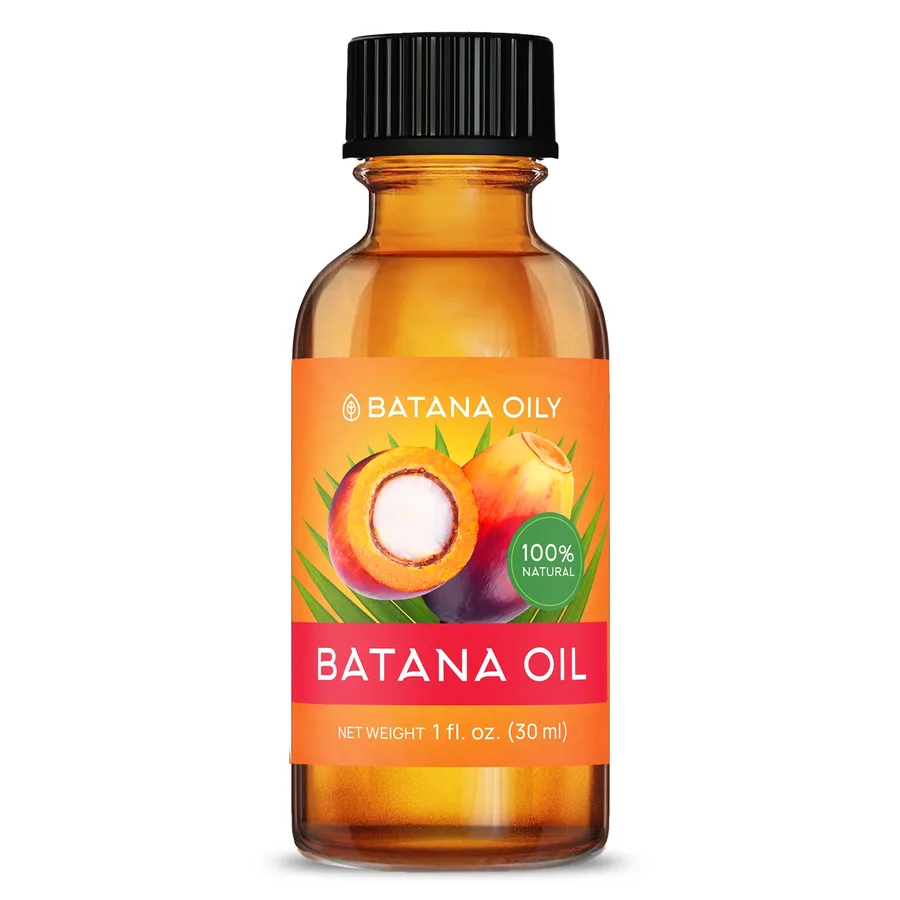
Natural Batana Oil
Honduran batana oil and batana butter, from a small bottle to bulk sizes.
From $12.99
Shop Batana Oil →Sources & Further Reading
- Developing Indigenous Community Forestry Enterprises: Where Tradition Meets the Market (Rainforest Alliance, 2015), with the Moskibatana case study linked from the page.
- Current Knowledge on Interspecific Hybrid Palm Oils as Food and Food Ingredient (Foods, 2020).