Where Batana Oil Comes From: The Miskitu of La Mosquitia
Picture the far eastern edge of Honduras: broad lagoons, flooded savanna, canals threading through low forest, and mangroves where the land gives way to water. This is the Muskitia, or La Mosquitia, and it is where the story of batana oil has its deepest roots.
A palm that grows where the land is wet
The Rainforest Alliance's case study of Honduran batana producers describes the American oil palm, Elaeis oleifera, as occurring naturally over a wide part of the Muskitia, most commonly along the low-lying coast from the mouth of the Patuca River southeast to Cape Gracias a Dios. Unlike its African cousin, it is rarely planted. It turns up in seasonally flooded secondary forest and among mangroves, and the report says it is around the Caratasca Lagoon and the canals off the Kruta River that Miskitu communities have managed and harvested it for generations.
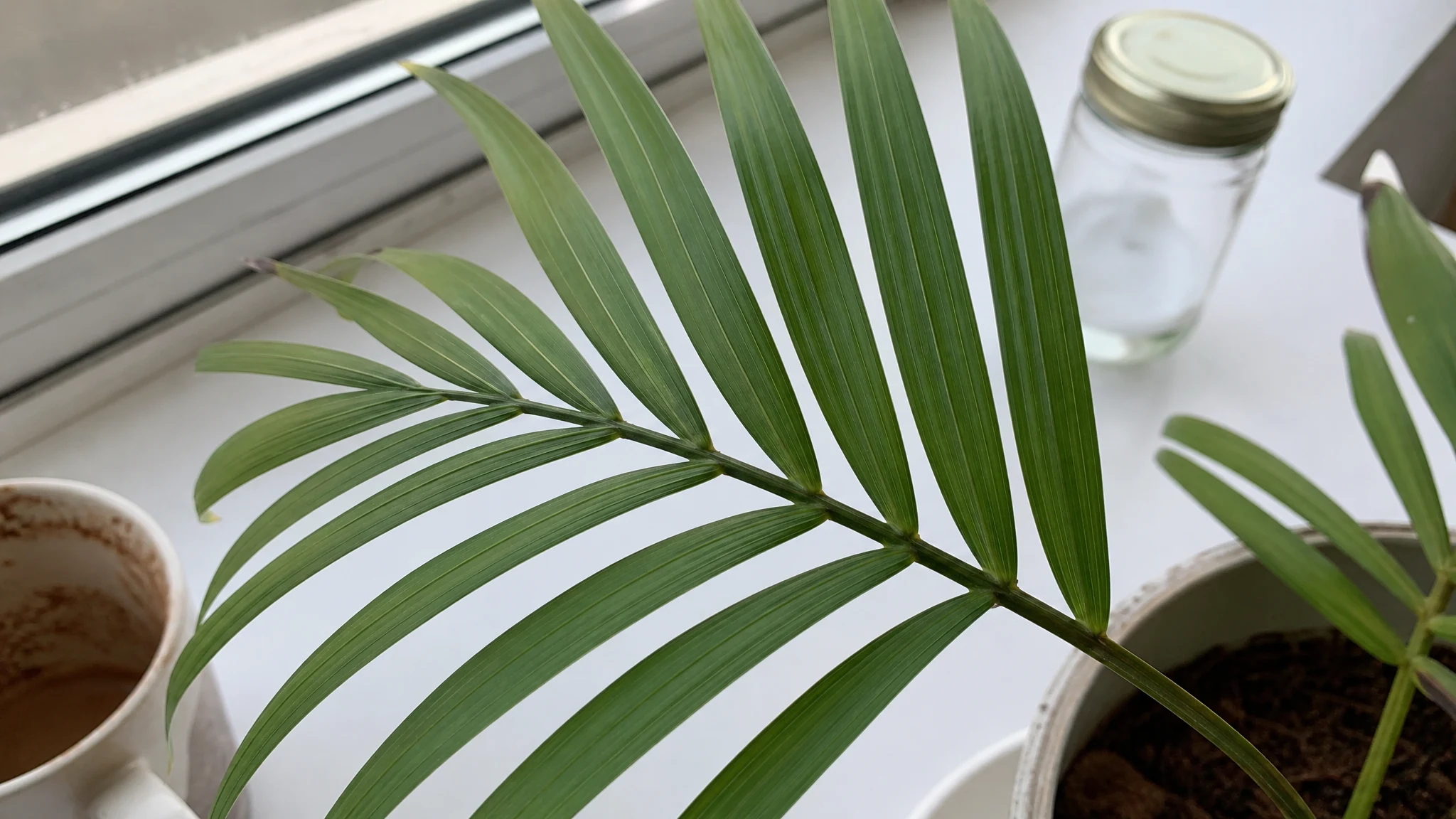
The palm itself can pass six meters in height and starts fruiting at three to five years old. Its fruits grow in tight clusters of 85 to 150, and a single cluster can weigh up to 15 kilograms. Fruiting runs all year, with harvesting usually concentrated between June and December. Pickers cut only the ripe, red clusters, by hand, with hatchets or machetes.
Who does what
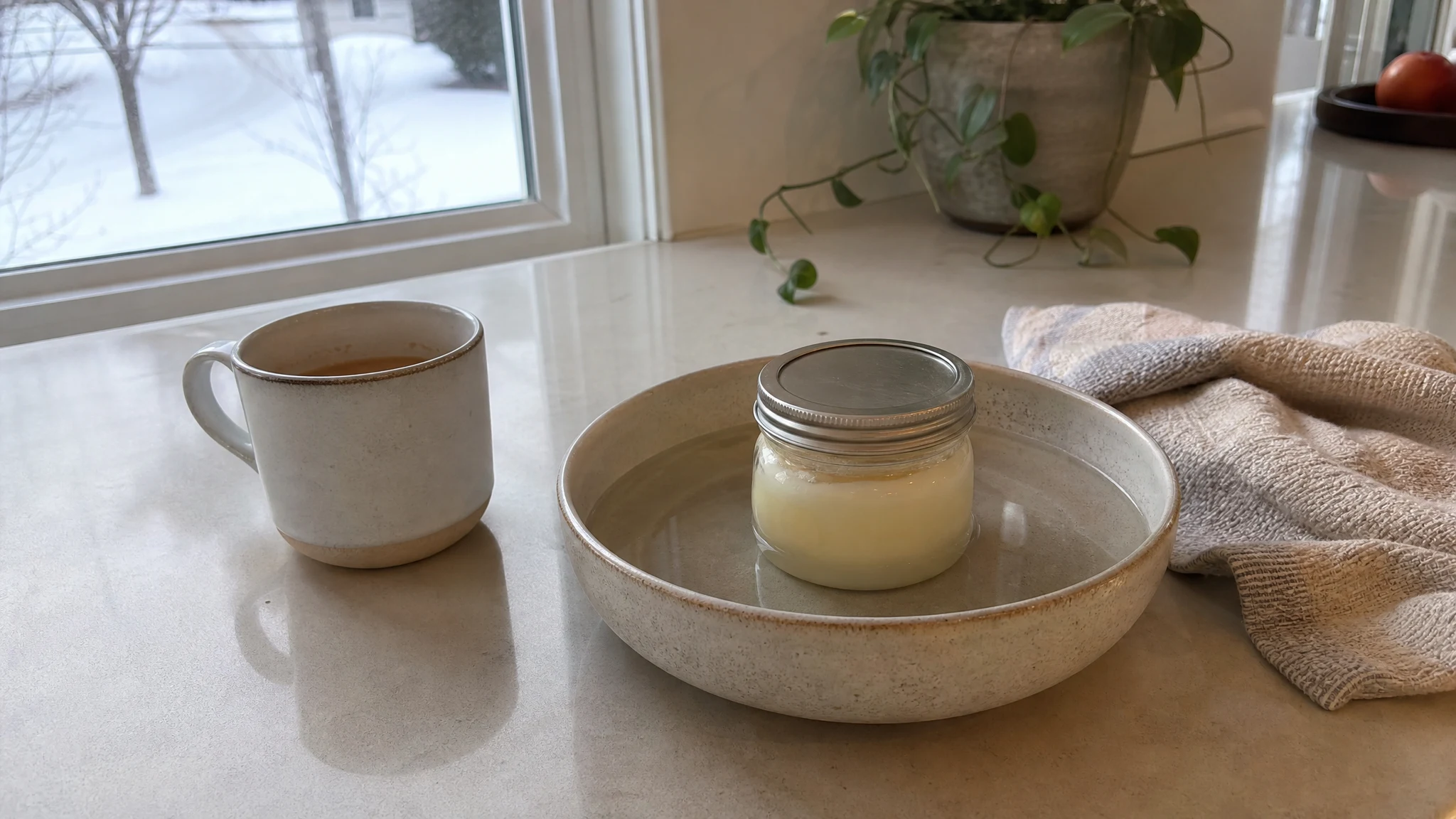
The report is specific about the division of labor, and it is worth repeating carefully. Harvesting and transport, on foot or by boat, are commonly done by men. Women typically take over at the processing stage, usually at home. It is a household craft more than a factory process, which is the real answer to why batana oil was, for most of its history, a local product used locally. If you want the step-by-step, how batana oil is made walks through it.
A note on names, because there are several. Miskitu is the spelling the report uses; Miskito is the more familiar English one, and both refer to the same people. Trade press in the 2000s referred to the community behind the oil as the Tawira. The oil is called batana, and the palm and the oil are also known as ojon, which is where a hair-care brand later got its name. We untangle that in batana oil vs Ojon oil.
From household oil to a trade
According to the same report, batana was used by Miskitu communities for generations as a skin and hair-care product, and a small domestic market emerged only in the 1980s. In the early 1990s a Honduran organization, MOPAWI, began working with producers on organizing production and processing. A Canadian beauty company then researched the oil and by 2003 was buying from producers MOPAWI had organized; in 2007 that company was acquired by Estée Lauder.
What followed is a useful case study in how a traditional product meets an export market. By 2010 a multi-community enterprise, Moskibatana, had formed, made up of 2,007 producers in 40 communities, 1,186 of them women. In September 2010 it received a Forest Stewardship Council certificate covering about 55,600 hectares around the Caratasca Lagoon, and the report says formal guidelines for managing the harvest were built from Miskitu batana harvesting traditions rather than imposed from outside.
The report is candid about the hard parts too. When demand from its main buyer fell, per-producer volumes dropped by more than 70 percent over the period it examined. A tradition can be admired and still be economically fragile, which is worth keeping in mind whenever you buy batana oil. We pick the thread up in what ethical sourcing should mean for batana oil.
Where our oil fits
The history above belongs to the tradition as a whole. What we can say about our own oil is shorter: our Natural Batana Oil comes from Honduras, from a single trusted supplier, made in small batches using traditional methods from the nuts of the American oil palm. Our batana plant page explains the palm and how it differs from the African oil palm, and what is batana oil gives the plain-language overview.
It is a long way from a flooded lagoon to a bathroom shelf, and it helps to remember that every jar began with someone cutting a heavy cluster of red fruit by hand.
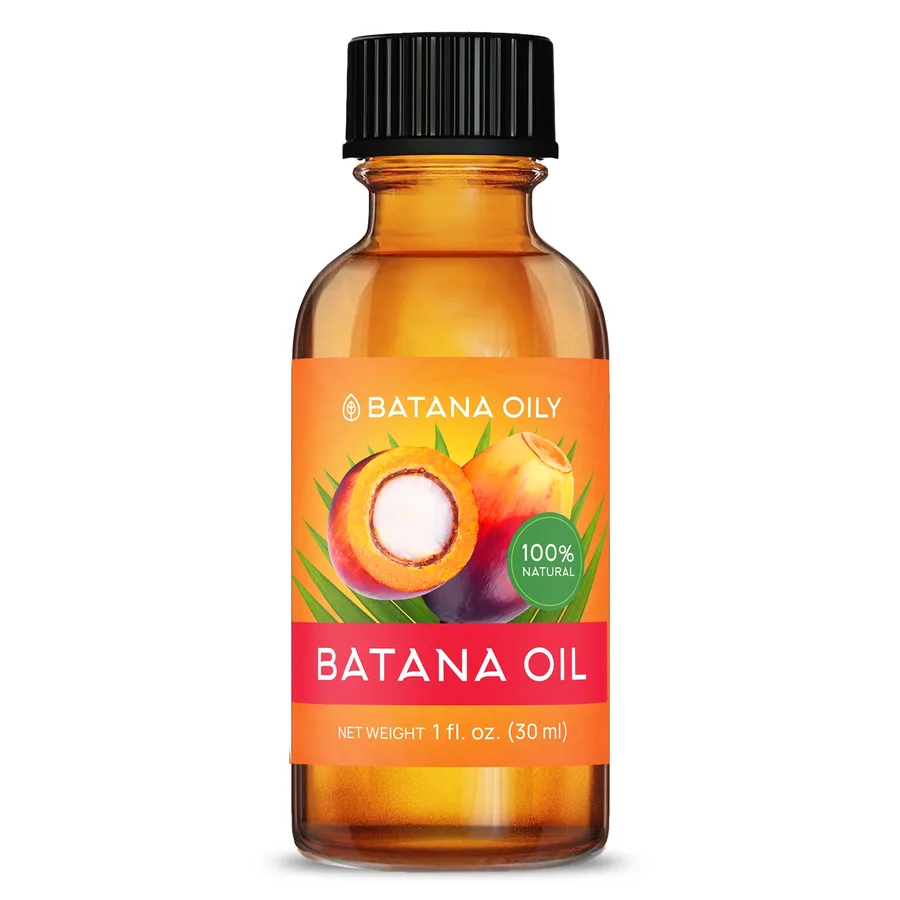
Natural Batana Oil
Honduran batana oil and batana butter, from a small bottle to bulk sizes.
From $12.99
Shop Batana Oil →Sources & Further Reading
- Developing Indigenous Community Forestry Enterprises: Where Tradition Meets the Market (Rainforest Alliance, 2015); the full Moskibatana case study is linked from that page.
- Estee Lauder To Acquire Ojon (Happi, July 10, 2007).