Batana Oil for Skin: A Rich Body Oil, Used Well
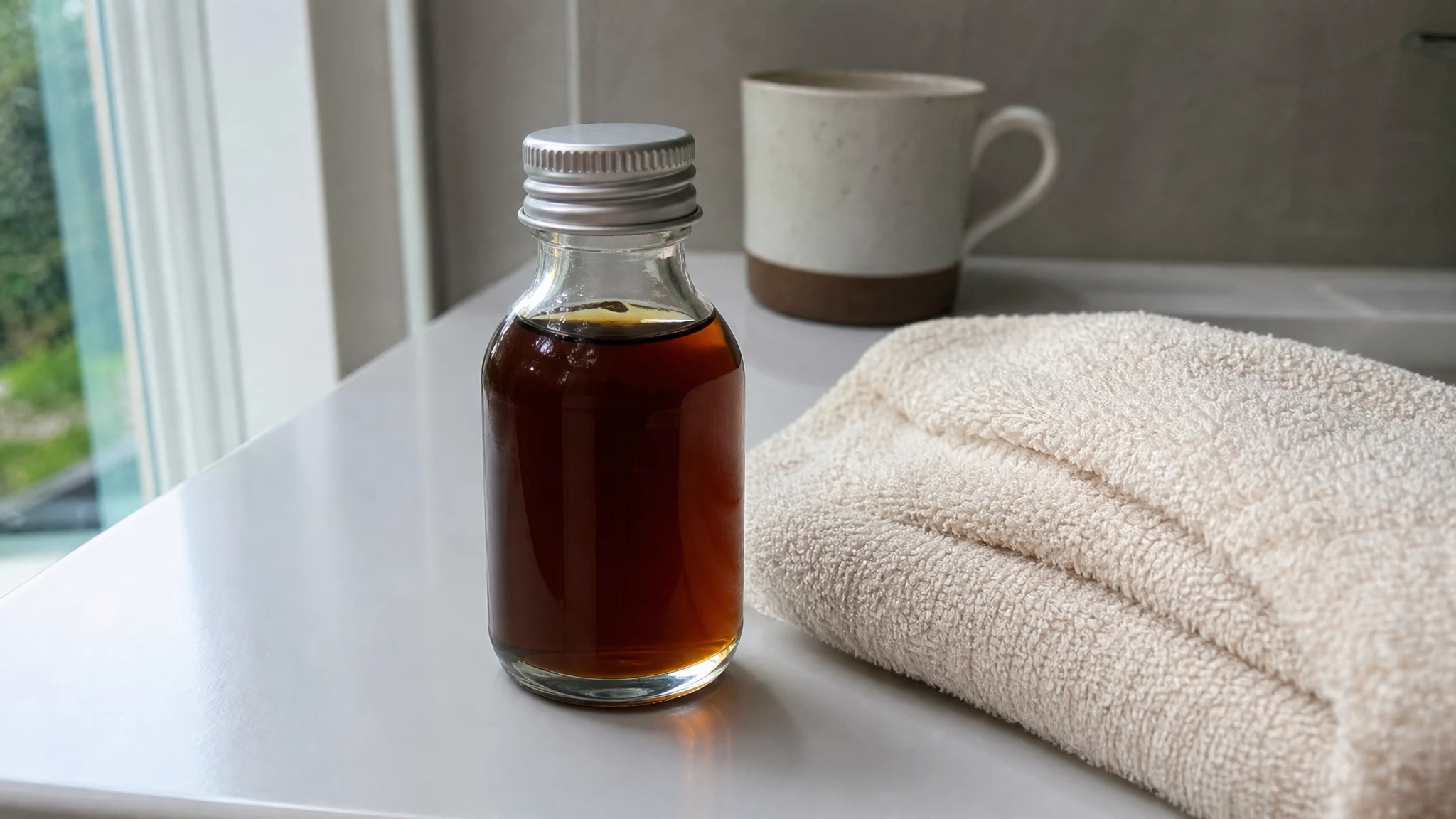
The best moment to use a body oil is not when your skin feels dry. It is about a minute after you step out of the shower, while your skin is still faintly damp and you have not yet reached for the towel's rougher side. That small timing choice matters more than which oil is in the bottle, and it is where we would start with Natural Batana Oil.
Why damp skin does the work
Oils do not add water. What they do is sit on the surface and slow down how fast the water already there escapes. Dermatologists at the American Academy of Dermatology say to apply moisturizer while skin is still damp after a shower or bath, and to pat dry instead of rubbing. They also point out that ointments and creams add more moisture than lotions, which tells you something about oils too: the richer and less watery the product, the more it behaves like a sealant.
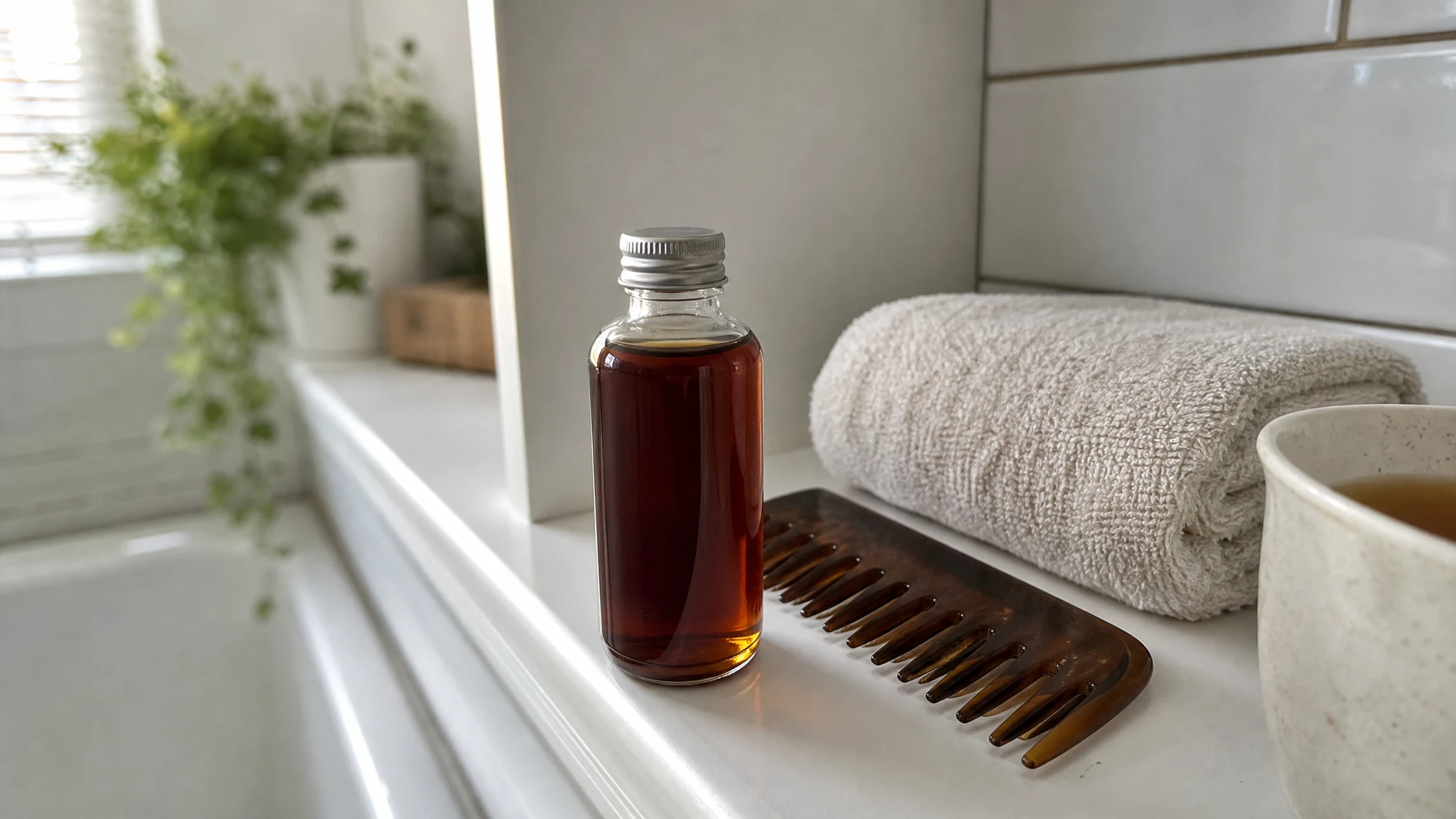
So for a body oil, think of it as the last step. Pat most of the water off, then smooth on a small amount. Warm it between your palms first. A little goes a long way, and if your skin feels slick ten minutes later you used more than you needed.
The shower itself counts too. The AAD suggests keeping baths and showers to five to ten minutes in warm rather than hot water, which leaves more of your skin's natural moisture in place for any oil to hold on to. That is a habit worth having whichever moisturizer you reach for, and it makes a small amount of oil go further.
Where batana oil earns its place
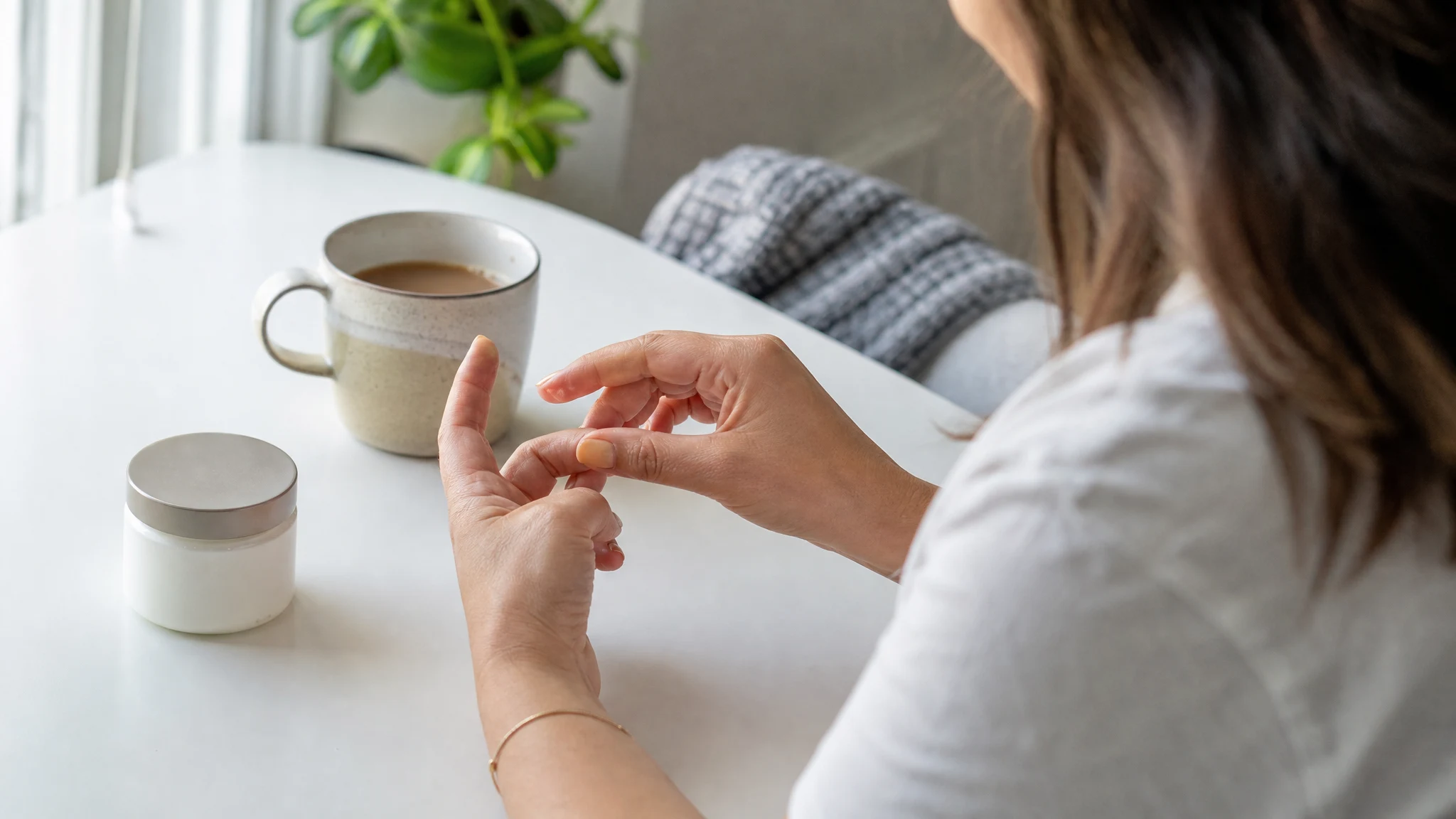
We think of it as a spot oil for the places that ask for more: elbows, knees, heels, the backs of the hands, shins in winter. These are the areas where a thin lotion tends to disappear by lunchtime. A drop or two worked in with slow circles leaves skin feeling soft and smooth, and the earthy aroma of our oil fades into the background once it settles.
It is also a good partner for something you already like. We say you can add batana oil by the drop to a favourite skincare product, which means you do not have to swap your routine out. Stir a drop into a handful of your usual body cream and you have a richer version for the driest patches.
Oil or butter on skin
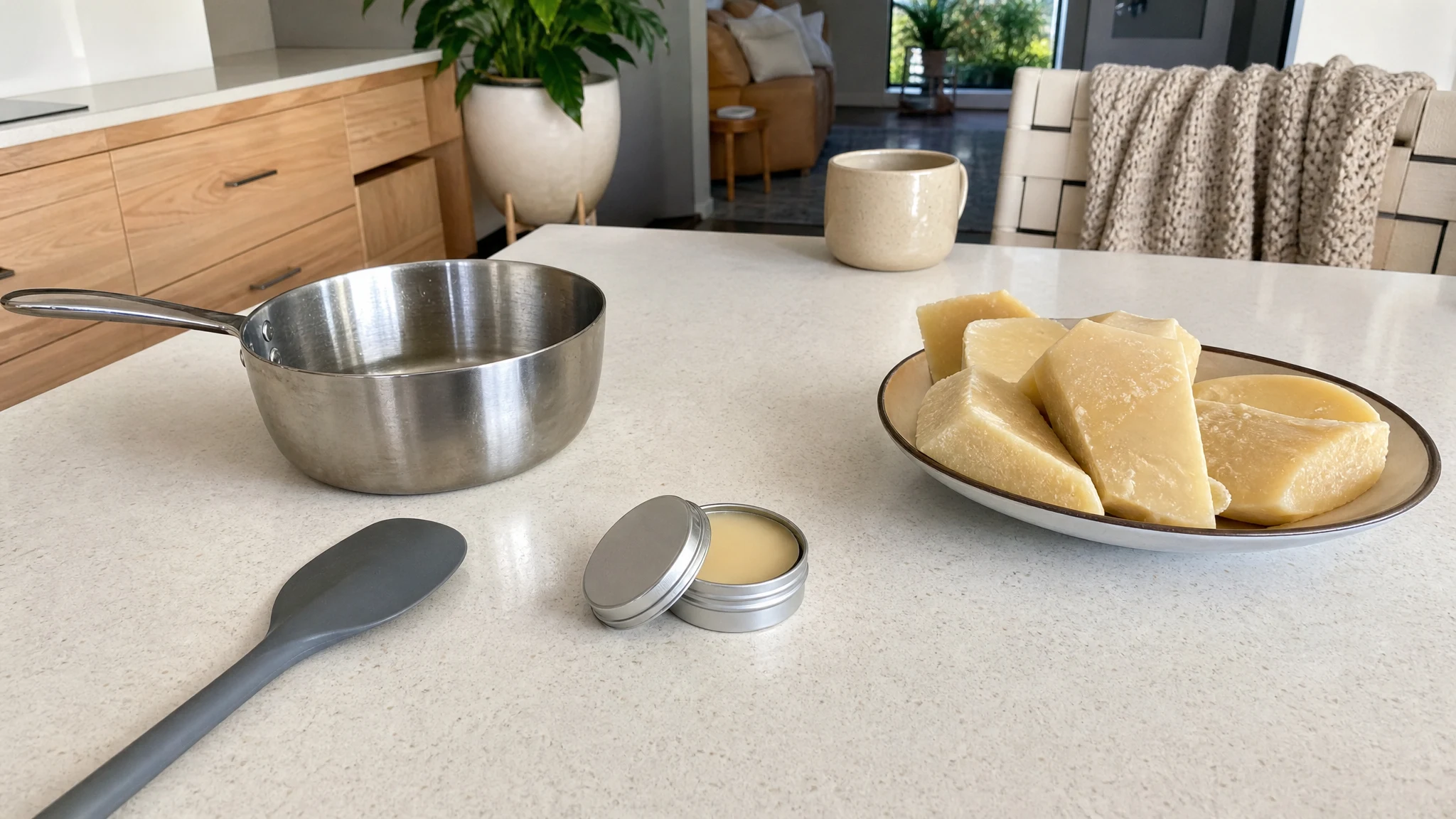
Our Natural Batana Butter is the same idea in a thicker consistency, and it is less likely to drip or spill. For skin, that makes the choice mostly about where you are standing. In the bathroom, with damp skin and a few free seconds, the oil spreads easily. For hands, heels and anywhere you want to apply a bit more and stay in control, the butter is easier to place. We compare the two in more detail in batana oil vs batana butter.
A face is a different question
Everything above is body talk. Skin on the face is more reactive for many people, and oils behave differently there. If you are curious, read our note on comedogenic ratings first, because the honest answer is that no verified rating exists for batana oil, and a small test comes before a full routine.
Patch test, then settle in
Skin varies from person to person, so patch test before first use: a small dab on the inner forearm, left alone for a day. Keep it away from your eyes, and remember it is for external use only. We lay out the steps in our patch test guide, and if you have any skin condition, or dry skin that stays dry despite good habits, that is a conversation for a board-certified dermatologist. We sell a cosmetic oil, not a treatment, and the AAD says the same about persistent dryness: it can have an underlying cause worth finding.
Used the way described here, batana oil is a simple pleasure. It gives dry skin a rich finish, it smells like something that came from a tree, and a small bottle goes a surprisingly long way. If you also use it on your nails, our guide to cuticles and hands picks up where this one stops.
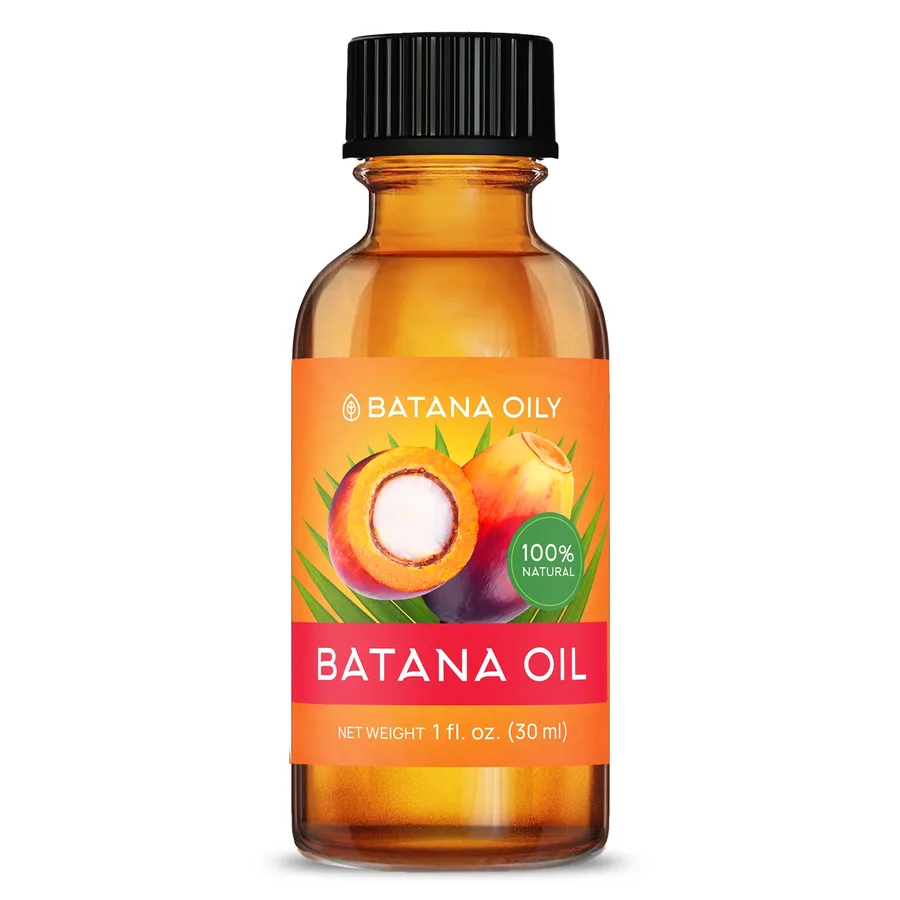
Natural Batana Oil
Honduran batana oil and batana butter, from a small bottle to bulk sizes.
From $12.99
Shop Batana Oil →Sources & Further Reading
- Dermatologists' top tips for relieving dry skin, American Academy of Dermatology