How to Patch Test Batana Oil, Step by Step
The best time to learn your skin dislikes an oil is when the oil is on one coin-sized patch of your arm, not across your whole scalp. A patch test costs almost nothing, takes a few seconds a day, and is the single most useful habit we can suggest with any new product, including ours.
The method, in order
We follow the American Academy of Dermatology's method for testing skin care products, adapted for oil and butter:
- Choose a quarter-sized spot where the product will not get rubbed or washed away. The inner forearm or the inside of the elbow both work.
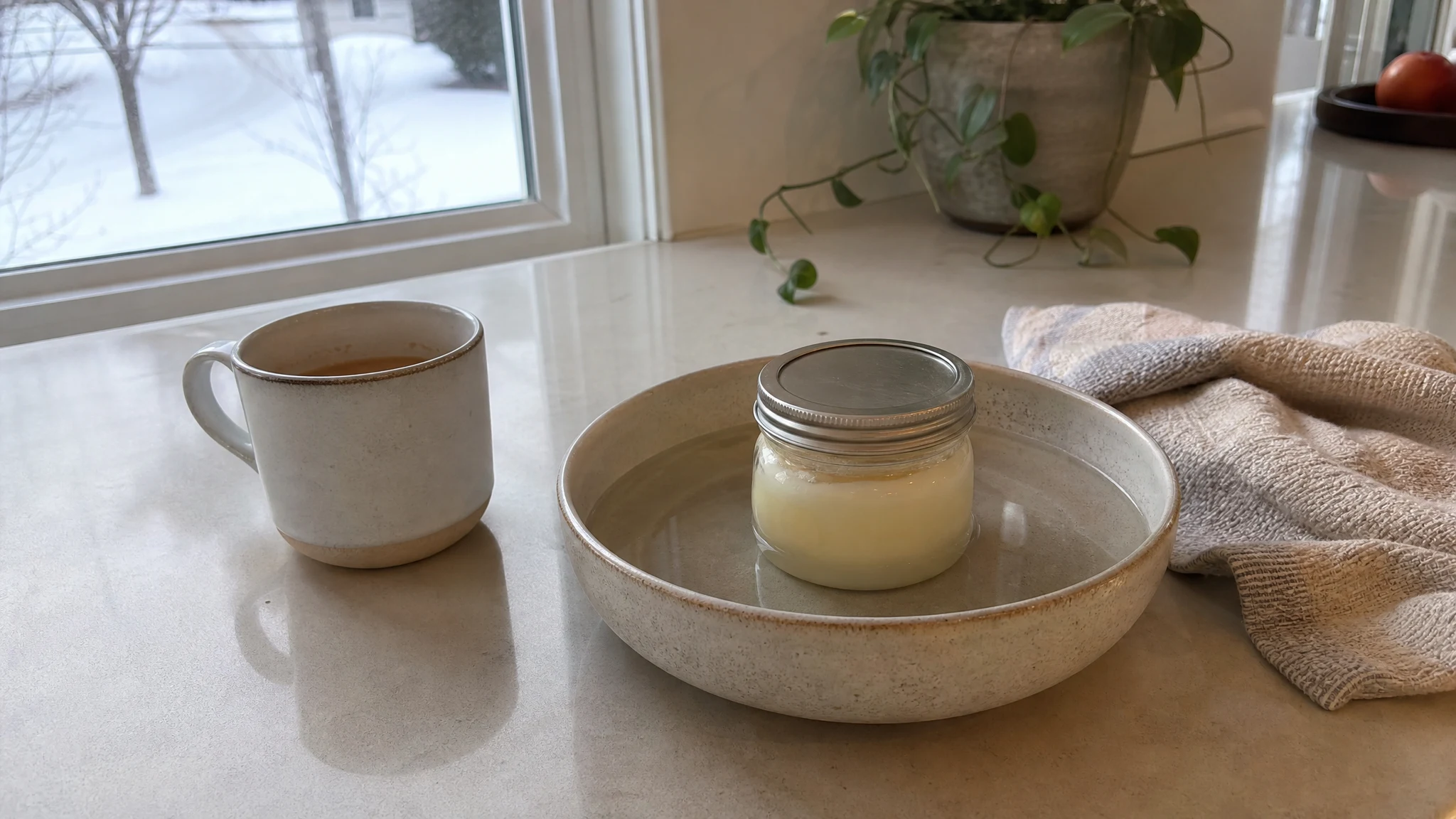
- Apply the amount you would normally use, in the same thickness. A thin smear of Natural Batana Oil is enough. If you have our butter, which is the thicker form, use a small dab and spread it the same way.
- Leave it on for as long as you would normally leave it on. For something you plan to wash out, that is the time you would normally wait.
- Repeat twice a day for seven to ten days, on the same spot.
- If the skin stays calm, with no redness, itching or swelling, you can start using the oil.
Seven to ten days sounds long next to the "dab it and wait a day" advice you will see around. The reason is how allergies behave: a formal patch test done by an allergist keeps the allergen on the skin for 48 hours and then reads the result at 72 to 96 hours, according to the FDA. Reactions often arrive late. A one-day test can miss one. Our reading of this is simple: the longer window is the more dependable check, and a day of waiting is a minimum, not a finish line.
What a reaction looks like
The signs are the ones the dermatologists list: redness, itching, swelling. The FDA describes the typical cosmetic reaction as an itchy, red rash, and also lists hives, flaking or peeling, and irritation of the eyes, nose and mouth. Sometimes you will see only a faint pink patch. Treat that as a result too, and do not push through it.
If the spot reacts
Wash the product off gently as soon as you notice, and stop using it. A cool compress or a little petroleum jelly can calm the skin. If the reaction is severe or does not settle, see a dermatologist, who can do proper patch testing to find out what caused it. Wheezing, facial swelling or difficulty breathing needs emergency care.
Where else the same test applies
If you plan to use batana oil on your scalp, test on your arm first, then use a small amount behind your ear or near your hairline before a full application. Anything you intend to use near the eyes or around the brows deserves the same care and a clear margin from the eye itself, because our oil is not for eye contact.
One note about palm. Our oil comes from the nuts of the American oil palm, so if you already know you react to palm-derived ingredients, ask your doctor or an allergist before testing at home.
What a patch test does not tell you
A patch test answers one question: does your skin object to this oil? It does not tell you whether an oil is likely to clog pores, which is a separate subject; we take it up in our post on batana oil and breakouts. And it cannot replace the judgement of a professional if you are pregnant, are caring for a young child, or have skin that is broken or under a doctor's care. Our safety overview covers who should ask first.
A small habit worth keeping
Write the date on your phone calendar when you start, and if you change brands, scents or add essential oils to your routine, test the new combination too. Fragrance, in particular, is a mixture of many ingredients not all named on a label, and the FDA lists several essential oils among known allergens. If you like to blend, you can read more in how to use batana oil, and our oil and butter each carry the same patch-test advice.
Ten quiet days and a clear forearm, and you can reach for the jar with a lot more confidence.
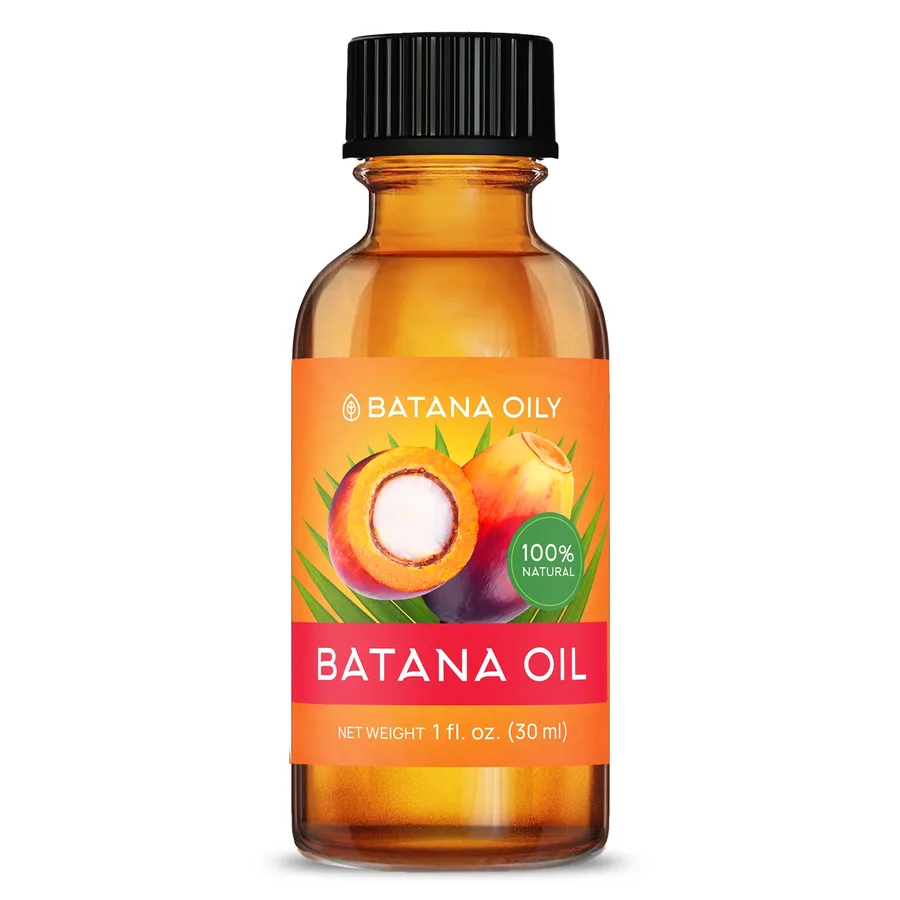
Natural Batana Oil
Honduran batana oil and batana butter, from a small bottle to bulk sizes.
From $12.99
Shop Batana Oil →Sources & Further Reading
- How to test skin care products (American Academy of Dermatology)
- Allergens in Cosmetics (U.S. Food and Drug Administration)