Is Batana Oil Safe? A Calm Guide to Using It Well
Every oil in your home started as a plant, and plants are not all-purpose friendly: olive oil, almond oil and shea can each bother somebody's skin. Batana oil is no different, and the sensible habits that cover it are short enough to fit on one page. Here they are, along with the few situations where we would ask you to check with a professional first.
An oil for the outside of the body
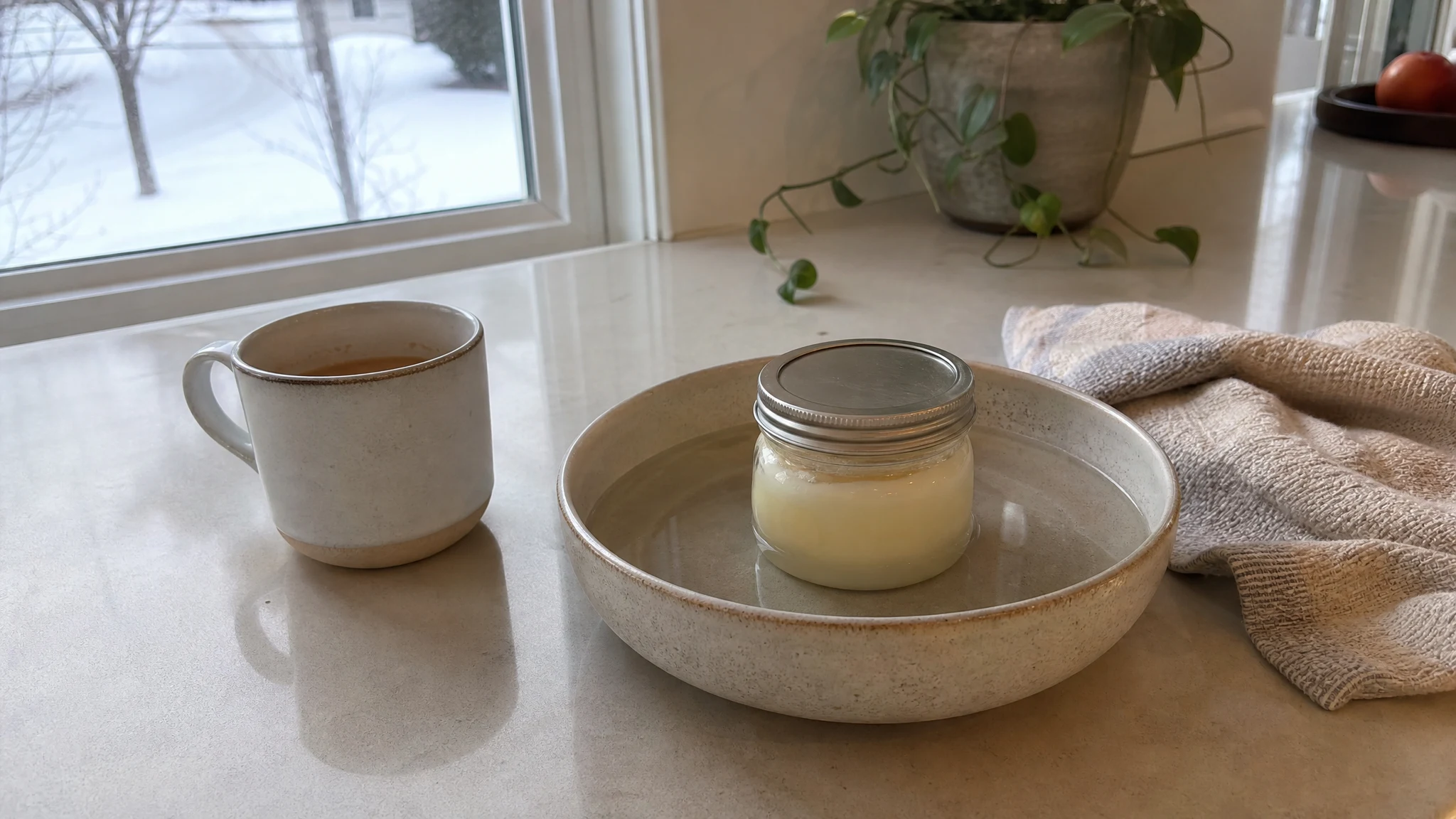
Natural Batana Oil and our Natural Batana Butter are cosmetic products for external use. They go on hair and skin; they do not go in your mouth, and they should stay out of your eyes. Our butter is the thicker form, which some people find easier to keep where they put it, but the same ground rules apply to both. Our own line says it plainly: skin and hair vary from person to person, so patch test before first use, avoid eye contact, and keep it external.
Start with one small spot
A reaction to a cosmetic is usually an allergic or irritant rash: itchy, red, sometimes swollen. The FDA notes that cosmetics can trigger this in anyone at any age, and that ingredients from natural sources are on the list of known culprits. "Natural" tells you where something comes from, not how your skin will take it. So the first time you use any new oil, try a small amount on a spot of inner forearm first. We lay out the method, including how long to wait, in our step-by-step patch test guide. The FDA notes that doctors read formal patch tests at 72 to 96 hours, which tells you a reaction can take days to appear, so a one-hour test is not enough.
A note for palm and nut sensitivities
Our oil comes from the nuts of the American oil palm. If you already know you react to palm-derived ingredients, or you have a tree nut or seed allergy, ask your doctor or an allergist before you open the jar. That is a conversation about your history, and we cannot have it for you.
Why a little goes a long way
Oils sit on top of hair and skin, so more is not better. Too much on fine hair can leave it looking weighed down, and a heavy hand near the scalp can feel greasy for days. Start with a pea-sized amount warmed between your fingertips and add only if you need it; our guide to how to use batana oil walks through amounts and washing out. If a product feels like it is building up, a regular shampoo is the answer, and a break from the oil costs nothing.
If your skin does react
Wash the area gently with mild soap and water, stop using the oil, and keep it off that skin. A cool compress can ease itching. If the redness spreads, swells, blisters, or has not improved, that is a job for a dermatologist or doctor, and we would much rather you see one than wait. Wheezing, a swollen face or trouble breathing needs emergency care straight away.
Who should ask first
We sell a cosmetic oil, and several situations call for someone licensed to judge your case:
- Pregnancy or breastfeeding: read our short list of questions to take to your doctor or midwife.
- Babies and children: a pediatrician should weigh in first. We gathered what the American Academy of Pediatrics says in our post on batana oil for kids.
- Broken, inflamed or medicated skin, or a skin condition such as eczema or psoriasis: ask your dermatologist whether any oil belongs there.
- Any hair or scalp concern you are worried about: that is a medical question, and a doctor or dermatologist is the right person.
Keeping the jar happy
Like any plant oil, we would keep ours capped, away from heat and direct sun, and use clean, dry fingers or a clean spoon so water and bits of product stay out of the jar. If it ever smells or looks different from what you remember, that is a good moment to buy fresh and set the old one aside.
What science can and cannot tell you
Safety questions deserve evidence, and for batana oil on human skin there is very little published. We explain what does exist in our plain-English look at the research. Until there is more, the careful habits above, rather than a guarantee from anyone, are your best protection. If you want to know more about how batana oil behaves on skin, our skin guide picks up from here.
Used thoughtfully, a plant oil is one of the simplest pleasures in a routine, and a little care at the start keeps it that way.
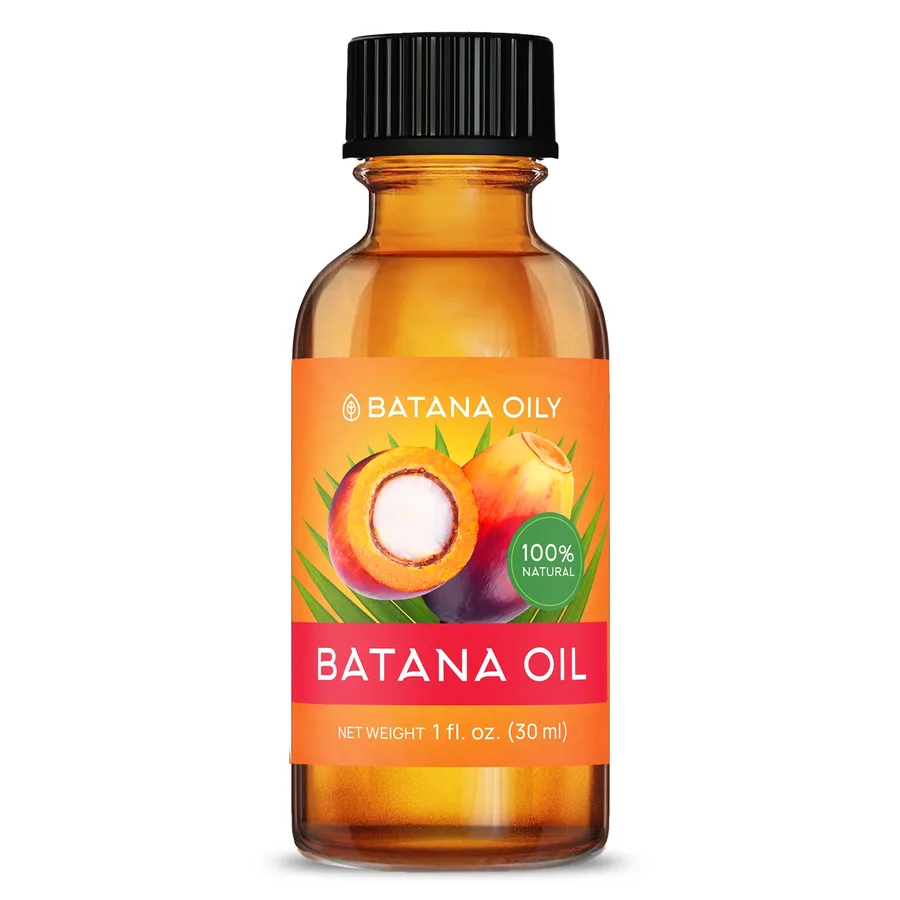
Natural Batana Oil
Honduran batana oil and batana butter, from a small bottle to bulk sizes.
From $12.99
Shop Batana Oil →Sources & Further Reading
- Allergens in Cosmetics (U.S. Food and Drug Administration)
- How to test skin care products (American Academy of Dermatology)