Batana Oil for Kids: What to Ask the Pediatrician First
Parents of kids with curls, tangles or dry winter skin ask about oils all the time, and batana oil comes up often. Our honest answer is short: a pediatrician should hear the question before you try it, and a baby's skin is a separate matter altogether. We sell Natural Batana Oil and Natural Batana Butter as cosmetic products for external use, and we do not describe either as suitable for babies or children.
What pediatric guidance actually says
The American Academy of Pediatrics runs HealthyChildren.org, and its page on choosing personal care products is a good guide to the questions. It notes that some lotions, hair products and massage oils contain nut-based oils such as almond, that some do not appear under their common name on labels (peanut oil can read "arachis oil"), and that families of children with nut or seed allergies should generally avoid them. It suggests fragrance-free lotions, and for any question it says: talk with your pediatrician.
That matters for us because our oil comes from the nuts of the American oil palm. We cannot tell you how a child with a nut, seed or palm allergy will respond; your pediatrician or an allergist can.
Babies are their own category
The AAP's advice for babies and toddlers is about plain moisture. Its page on dry winter skin recommends moisturizing right after a bath, favors richer ointments and creams over thin lotions, and suggests fragrance-free soap. If dryness keeps on, it says to talk with the pediatrician. None of that is a plant-oil routine, and for infants we would follow the pediatrician's lead entirely.
For an older child's hair
With school-age children, a very small amount on dry hair ends is the sort of thing a parent can decide, with the pediatrician's input. If you and your pediatrician are comfortable with it, a few habits make sense, built from the general guidance above:
- Patch test first. Our step-by-step method works for a child's forearm too, and the longer waiting window is worth it.
- Keep it away from eyes and mouth. Small hands go everywhere, so apply it yourself and wash your hands, and theirs, afterwards.
- Use a tiny amount. A couple of drops warmed between your palms is plenty for ends; more tends to leave fine hair looking heavy.
- Skip fragrance and added essential oils. The AAP suggests fragrance-free lotions, and the FDA lists several essential oils among known cosmetic allergens.
If you have the butter, which is our thicker form, a pinch is plenty.
When it is not a cosmetic question
A scaly scalp, a rash that keeps coming back, patches of skin that look inflamed, or hair that seems to be changing in a way that worries you are all medical questions. Please take them to the pediatrician or a pediatric dermatologist, not to an oil.
Questions to take to the appointment
It helps to arrive with specifics. Tell the pediatrician exactly what the product is, a plant oil from palm nuts, and where it would go. Ask whether your child's allergy history, if any, rules it out, whether a fragrance-free moisturizer would serve better, and how much, how often and for how long you should try it, if at all. Write the answers down. If your child has had eczema, a rash or reactions to other products, mention that first, since it changes the advice.
A calmer way to think about it
None of this is meant to put you off plant oils. It is a reminder that children are not small adults, and that the person who knows your child's history is the best judge. Our general safety guide sets out the basics for adults, and the same habits apply, with an extra layer of professional advice.
Curly, thirsty hair is lovely at any age, and a little patience and a pediatrician's nod go a long way.
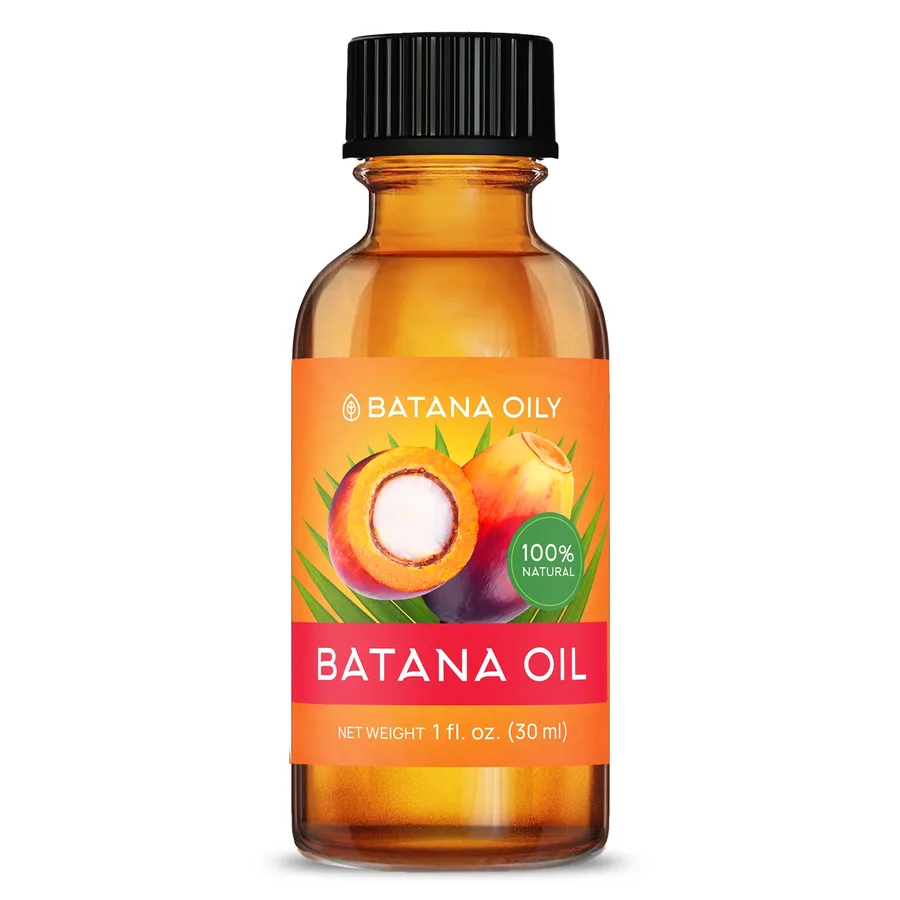
Natural Batana Oil
Honduran batana oil and batana butter, from a small bottle to bulk sizes.
From $12.99
Shop Batana Oil →Sources & Further Reading
- How to Choose Safer Personal Care Products: Tips for Families (HealthyChildren.org, American Academy of Pediatrics)
- Avoiding Dry Winter Skin in Babies and Toddlers (HealthyChildren.org, American Academy of Pediatrics)
- Allergens in Cosmetics (U.S. Food and Drug Administration)