Is Batana Oil Comedogenic? What Ratings Can and Can't Say
If you have searched for a comedogenic rating for batana oil, you have probably noticed that nobody quotes one with a source. That is not an oversight on your part. As far as we can find, no verified rating exists, and the reason says a lot about how far you should trust those numbers for any oil.
What the 0 to 5 scale actually is
The familiar chart, with coconut oil near the top and a few oils near zero, grew out of animal testing. Ingredients were applied to the ears of rabbits, and the follicle plugging that followed was scored. The assumption was that a finished cream containing a high-scoring ingredient would block pores on human faces too, and dermatologists were handed lists of ingredients to avoid.
That assumption has not held up well. A 2006 study in the Journal of the American Academy of Dermatology, "A re-evaluation of the comedogenicity concept," tested finished cosmetic products on human volunteers and concluded that finished products using comedogenic ingredients are not necessarily comedogenic. It was a small study, six people, and it tested products on the upper back, so it does not settle everything. But it makes the central point: an ingredient score from an animal test is a rough hint, not a forecast for your face.
So where does that leave batana oil?
With an honest blank. Batana oil comes from the American oil palm, and it is not on the classic lists, so any number you see attached to it online is a guess or a copy of a guess. We will not make one up. If a page gives you a confident rating, ask where it came from.
A rating would also leave out most of what matters. How much you apply, what else is on your skin, your own skin type, the weather, and whether you wash it off at night all change the outcome. Two people can use the same oil and have different experiences, which is why we lean on a practical test instead of a chart.
A sensible way to try it on your face
If you want to try our oil on your face, go gently and treat it as an experiment you can stop at any time.
- Patch test first, following our patch test steps, before the oil goes anywhere near your face.
- Start along the jawline or one cheek, not everywhere at once, so if your skin does not like it you know exactly where and why.
- Use a very thin layer. A drop or two warmed between your palms is plenty for a whole cheek.
- Give it a few days before adding a second area, and keep the rest of your routine unchanged so you can read the result.
Keep it away from your eyes, and remember it is for external use only. Skin and hair vary from person to person, which is the whole reason for going slowly.
When a dermatologist is the better call
If your skin tends toward breakouts, we would rather you asked a board-certified dermatologist before adding any facial oil. We sell a cosmetic oil, and we cannot tell you what is happening on your particular skin or promise any result for it. A dermatologist can look at it, which no ingredient chart can do.
For the body, the picture is simpler. Our guide to using batana oil on skin covers elbows, heels and hands, where most people start, and our broader note on whether batana oil is safe to use goes through allergies and sensitive skin.
Comedogenic charts are not useless. They give a rough sense of which oils are rich and which are light. Just hold them loosely, test small, and let your own skin have the final word.
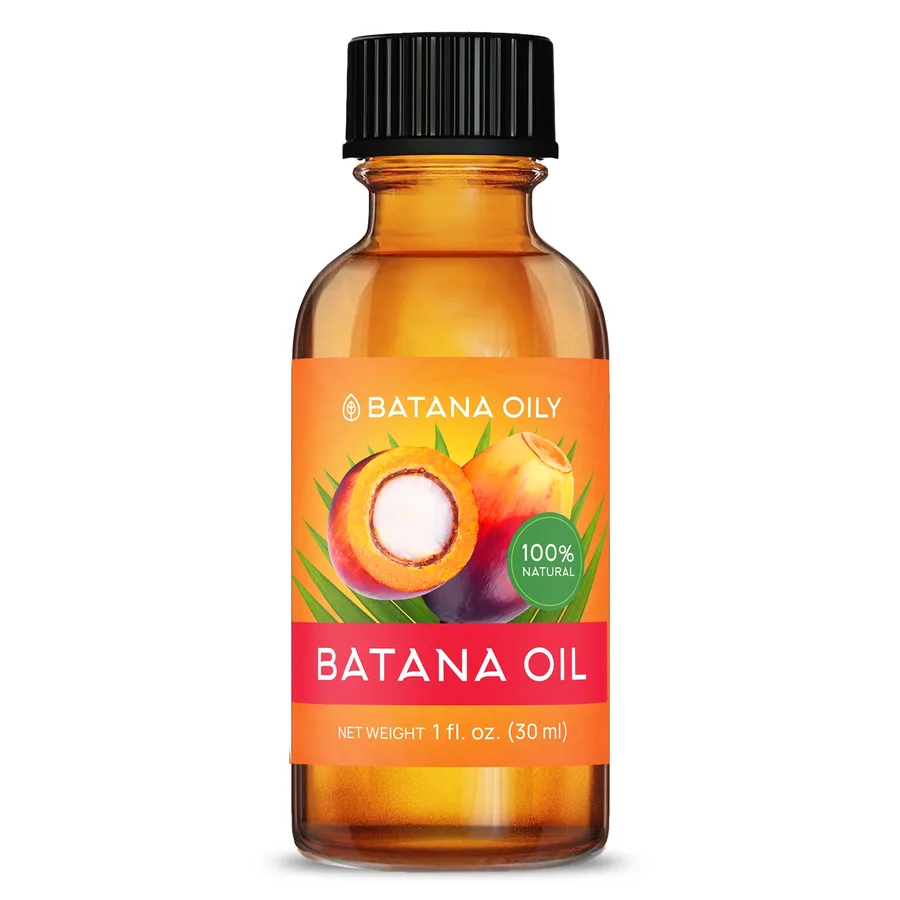
Natural Batana Oil
Honduran batana oil and batana butter, from a small bottle to bulk sizes.
From $12.99
Shop Batana Oil →Sources & Further Reading
- Draelos ZD, DiNardo JC. "A re-evaluation of the comedogenicity concept." Journal of the American Academy of Dermatology, 2006. A re-evaluation of the comedogenicity concept