DIY Batana Leave-In: Why We Skip the Water
The most popular homemade leave-in recipe is a spray bottle of water, a spoonful of oil and a hopeful shake. It looks like conditioner, it feels like conditioner, and within days it can turn into a small culture dish. We would rather steer you to two simpler routes that give a soft, neat finish without any of that.
What goes wrong with water and oil
Oil and water do not stay mixed, so a real leave-in needs an emulsifier to hold them together. It also needs a preservative, because a product that contains water can support microbial growth. A review of cosmetic preservation states it directly: cosmetics, like any product containing water and organic compounds, require preservation against microbial contamination, and a working system is validated with good manufacturing practice, control of raw materials and challenge testing.
That last step is the one a kitchen cannot copy. A 2026 surveillance study of 185 spoiled batches of everyday chemical products found Burkholderia and Pseudomonas as the leading contaminants in finished products, and some isolates tolerated a common preservative at or above its permitted concentration. Since even factory-made products are tested this hard, a few drops of preservative added at home is not a substitute for that testing. Our position is simple: if a recipe has water in it and no tested preservative, it is a recipe to buy rather than to make.
Route one: a water-free leave-in
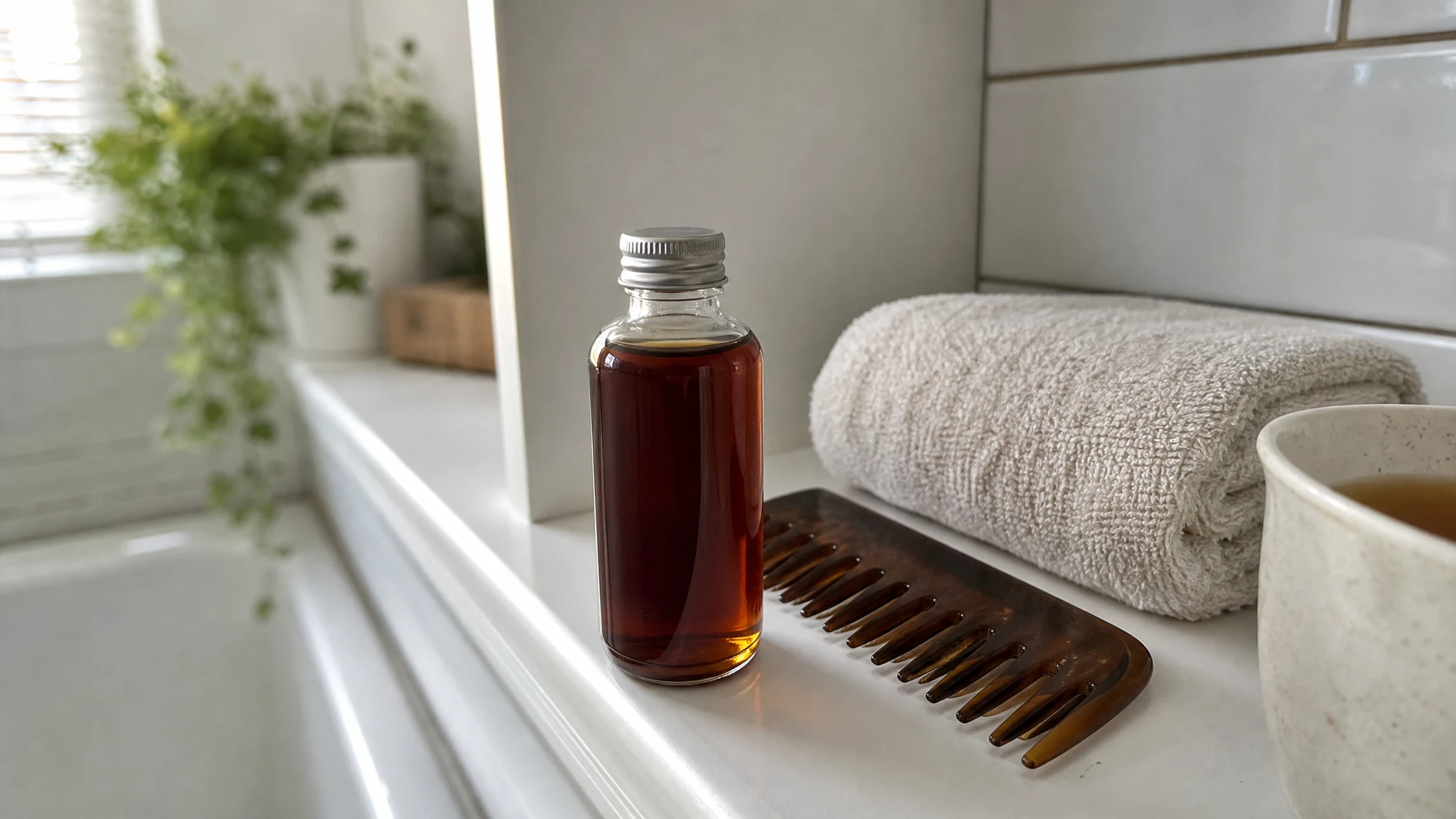
Leave the water out and the preservation question largely goes away. Blend 10 ml of batana oil with 40 ml of a light liquid oil from a craft supply shop (jojoba and grapeseed are common choices). That is 50 ml with the batana at 20 percent, so the blend stays fluid and spreads easily. With roughly 20 drops to a millilitre, a common rule of thumb, the bottle holds around a thousand drops.
How many per wash day? This is our suggestion rather than a rule: two drops for chin-length hair, four for shoulder length and six for longer hair, warmed between your palms and smoothed over the lengths of towel-dried hair, not the roots. At four drops a time, one bottle goes a very long way.
Be clear about what this blend is. An oil leave-in does not add water to hair; it softens, adds shine and helps it look neater by coating the surface. If your hair feels dry, the water comes first and the oil follows, which is the whole idea behind the next route and behind the layered routines in our 4C hair post.
Route two: let a store-bought leave-in do the water
A leave-in from a pharmacy or grocery store is already emulsified and preserved by people who test it. Apply it to damp hair as the label directs, then finish with one to three drops of batana oil, rubbed between your palms and pressed through the lengths. The conditioner supplies the moisture, and the oil gives the finish. We sell the oil, not the conditioner, so that part comes from your usual shop.
If your hair is thick or coily and the oil feels light, our thicker Natural Batana Butter is the same idea in a richer form; our comparison helps you pick. Both fit the water-free approach, since neither contains any.
Keeping it clean
Pour the blend into a small bottle with a plain cap instead of a jar that your fingers dip into; a review of home-use contamination found rates anywhere from 2 to 100 percent across product types, which is a good reason to limit what touches the product. Wipe the neck dry, close it after each use, store it out of a steamy shower, and write the date on it. If it ever smells sharp or off, replace it.
The wider set of oil recipes lives in our DIY hub, and if you are working out how often to apply, our mask post covers the heavier, wash-out option.
Skin and hair vary from person to person. Patch test before first use, avoid eye contact, and use for external use only. A scalp or skin concern belongs with a dermatologist, since we sell a cosmetic oil.
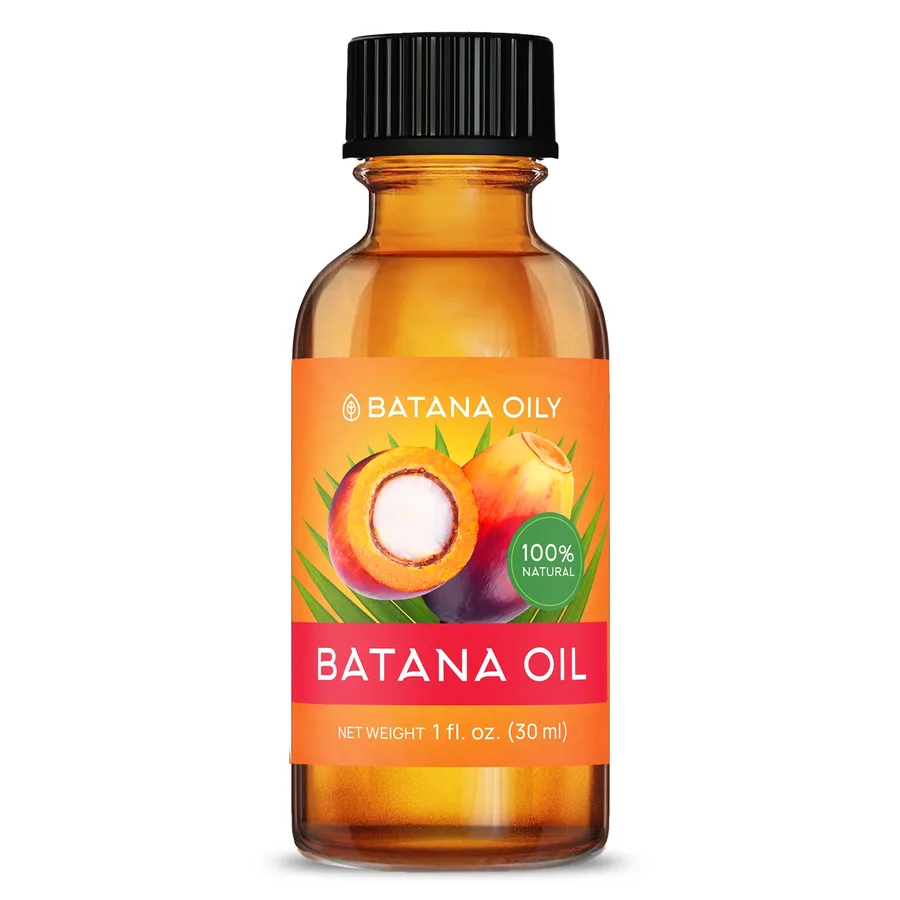
Natural Batana Oil
Honduran batana oil and batana butter, from a small bottle to bulk sizes.
From $12.99
Shop Batana Oil →Sources & Further Reading
- Cosmetics Preservation: A Review on Present Strategies (Molecules, 2018)
- Genetic Characteristics and Preservative Tolerance of Spoilage Microorganisms in Daily Chemical Products (Microorganisms, 2026)
- Microbial contamination of medicines, medical devices, cosmetics, child and personal care products: a comprehensive review of secondary contamination risks in home-use settings (Frontiers in Microbiology, 2026)