Whipped Batana Butter for Hair: Soften, Whip, Chill
Whipped butter is mostly air and patience. Beat a firm butter into something light enough to scoop with a fingertip, and a jar that felt like a block becomes a cloud. The part that decides whether it turns out silky or gritty is not the whipping at all; it is how the butter cools.
The weights
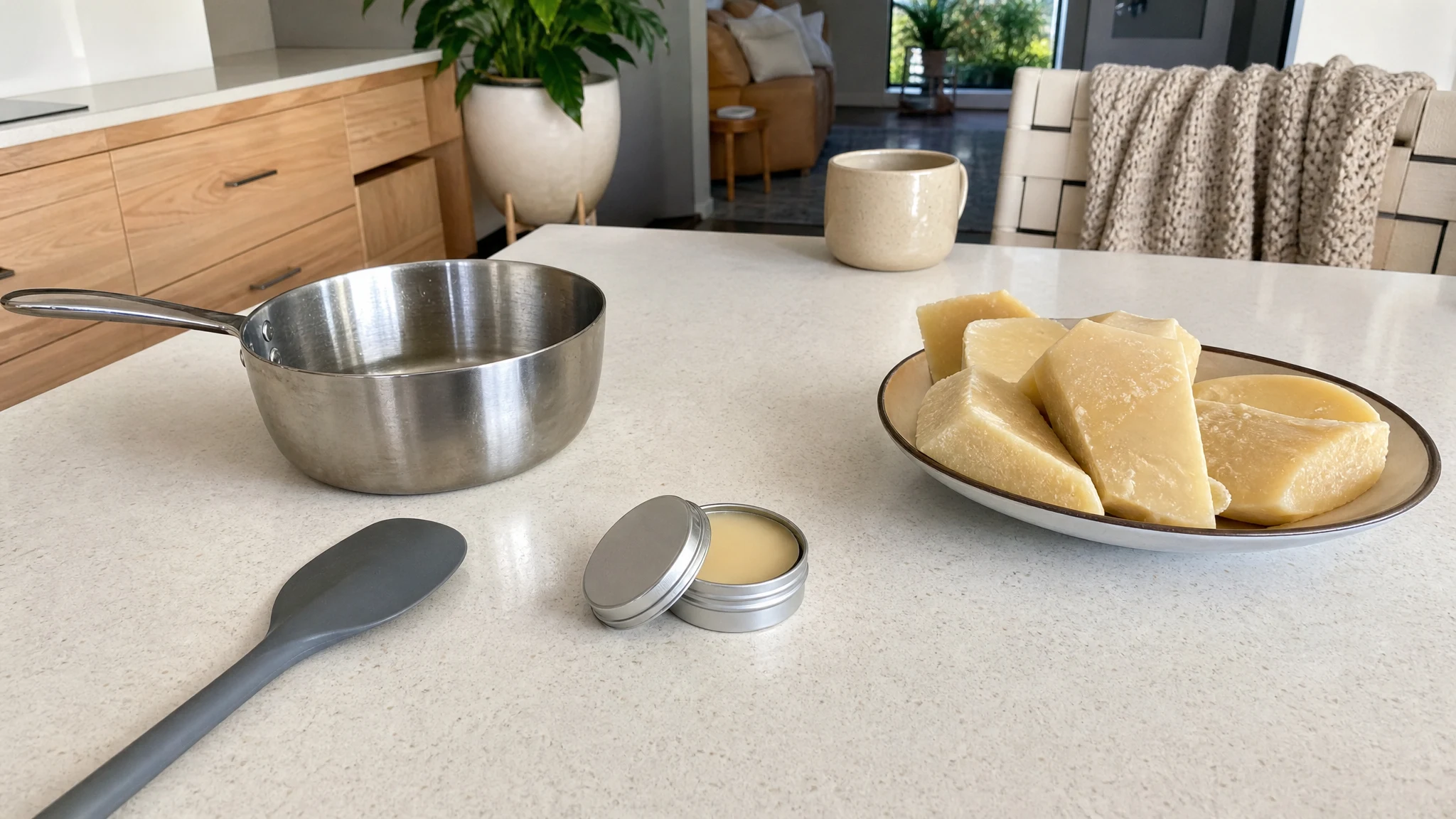
Use the whole 4 oz jar of our Natural Batana Butter, about 113 g, plus 57 g of shea butter (2 oz) and 15 g of a light liquid oil, for about 185 g. The batch is roughly 61 percent batana butter, 31 percent shea and 8 percent oil. Shea and the oil come from a craft supply shop; we sell only batana butter and oil. The batana butter is the thicker form of our oil, so it needs no help in staying put, and the added oil is there only to keep the whip soft enough to scoop.
If you only have batana butter, skip the shea and use 113 g of butter with 10 g of oil. The shea adds body, not magic.
Why chilling matters
Butters like shea are mixtures of fats with different melting points. A guide on grainy shea explains that when a mix partly melts and then solidifies slowly, the higher-melting fractions cluster into hard grains. Those grains are fat crystals, not spoilage or dirt, and warmth, slow cooling and temperature swings all encourage them. So the method has two jobs: melt completely, then cool quickly and evenly.
The method
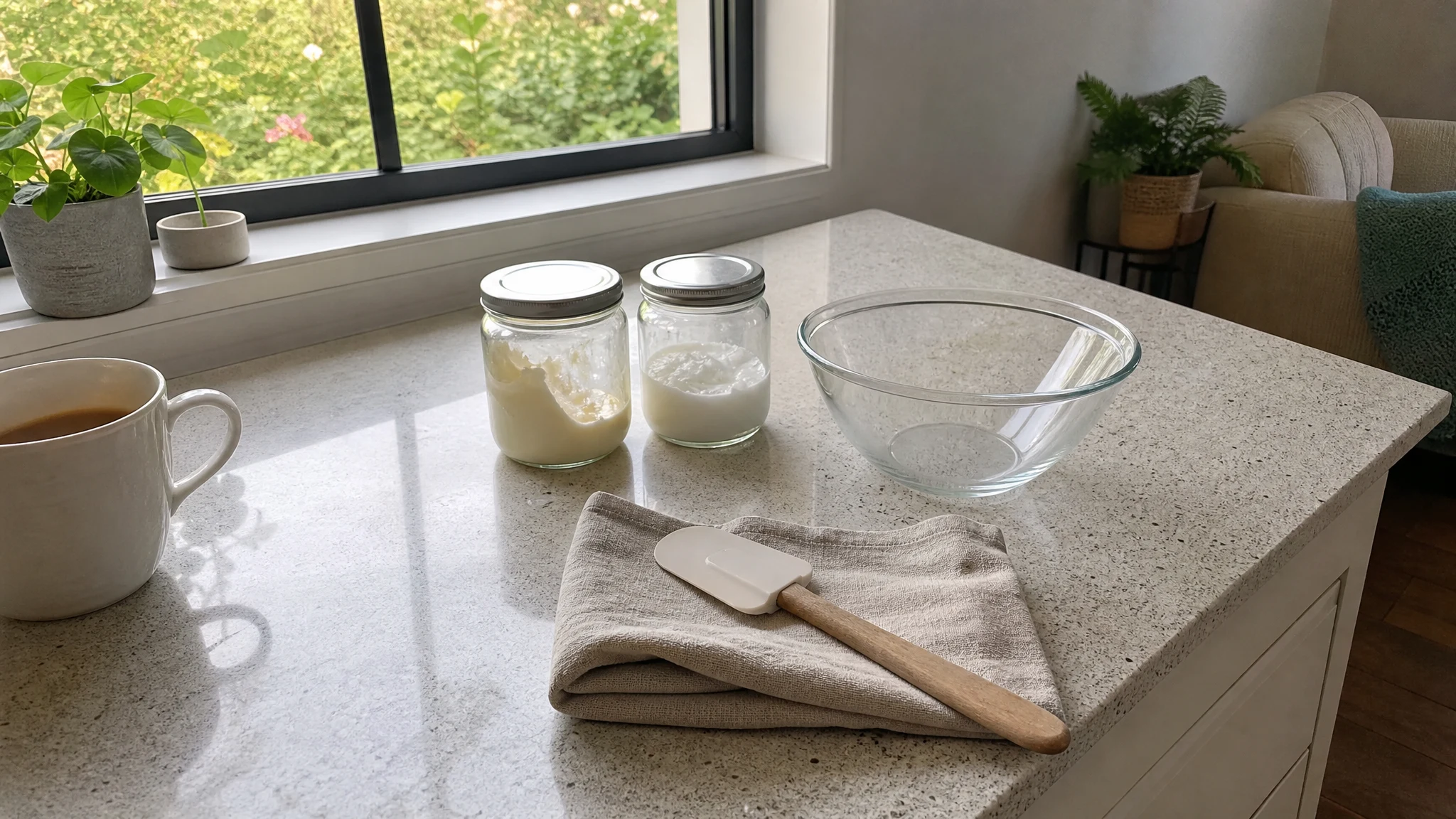
- Soften or melt. If the butters are already soft, they can be beaten as they are. Otherwise melt them in a heatproof bowl over a pan of hot water until fully liquid, with no solid bits and no water getting in. Stir in the liquid oil.
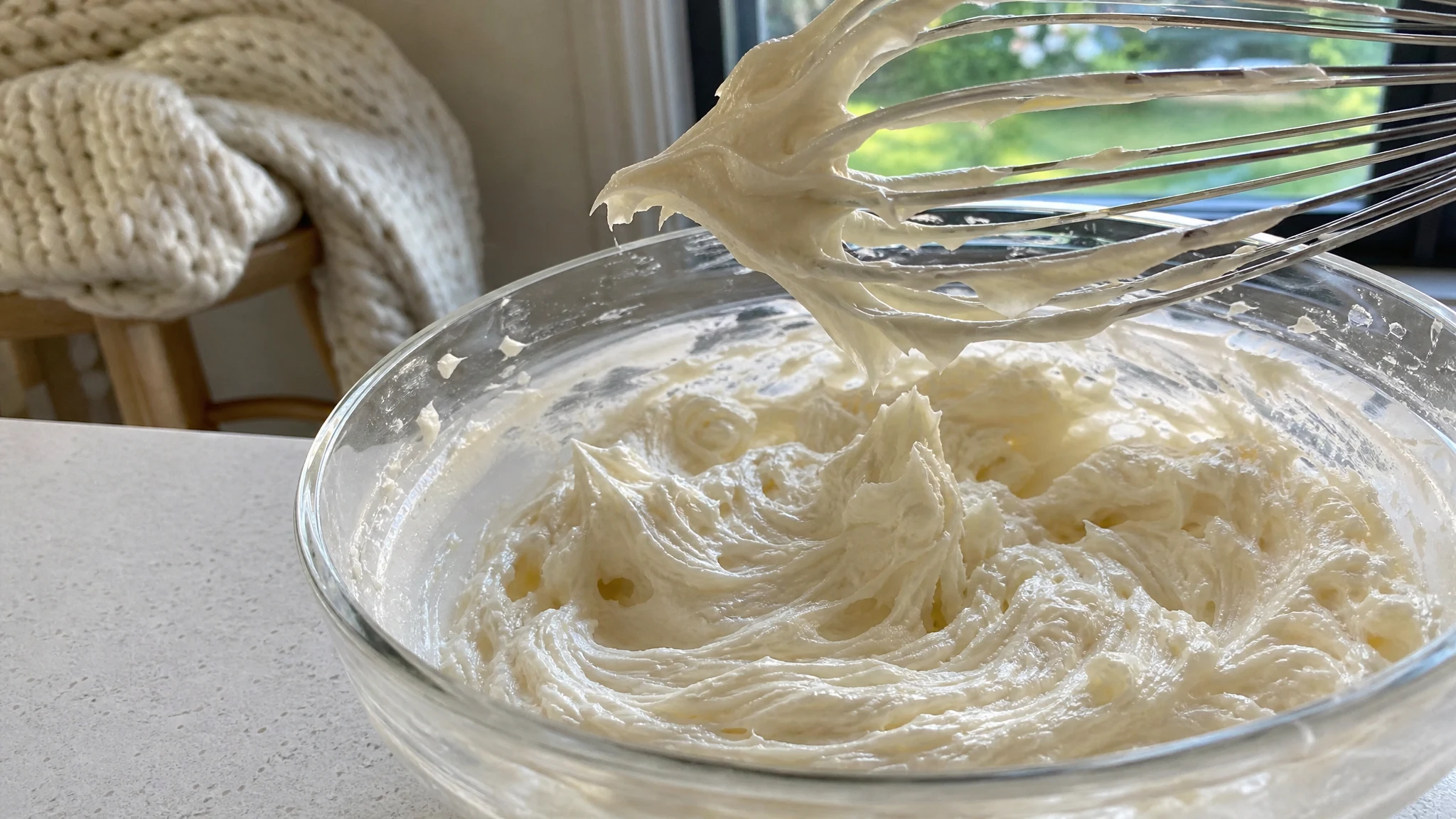
- Chill in short bursts. Put the bowl in the fridge, then check every ten minutes or so. You want the edges firm and the centre still soft, like thick custard.
- Whip. Beat with a hand mixer until the butter lightens and holds peaks. If it starts to look like paste, chill again for a few minutes and resume.
- Jar it. Spoon into a clean, dry jar and smooth the top. Do not leave it by a warm window while it settles.
These timings are suggestions, not measurements; what matters is the look: thick, edges set, centre soft. If a batch turns grainy anyway, the same guide notes that grains can be warmed between your fingers until they soften, and the composition does not change.
How much on thick or 4C hair
Thick, tight curls and coils have room for a richer product than fine hair does, so a butter suits them. Section the hair into four, and start with a pea-sized amount for each section, warmed in your palms until it melts into a sheen, then smoothed down the lengths and ends from the middle outwards rather than at the roots. Add more only if the ends still feel dry. A clean scoop each time keeps the jar tidy. For where butter sits in a layered routine, our 4C hair post is the place to go, and our oil versus butter comparison helps if you are not sure which you want.
It also works on dry-feeling skin on hands and elbows, and that is where the leftover goes. The other small-batch recipes are in our DIY hub.
Keeping it
A whipped butter holds air, not water, so it needs no preservative, in line with the cosmetic preservation review linked below, which ties that need to products that contain water. Keep it cool and steady; a hot car or sunny sill will melt the structure and bring the grain back. Date the jar. If it ever smells sharp or off, replace it.
Skin and hair vary from person to person. Patch test before first use, avoid eye contact, and use for external use only.
It is a small, soft, scoopable thing, and the technique carries over to any butter you pick up next.
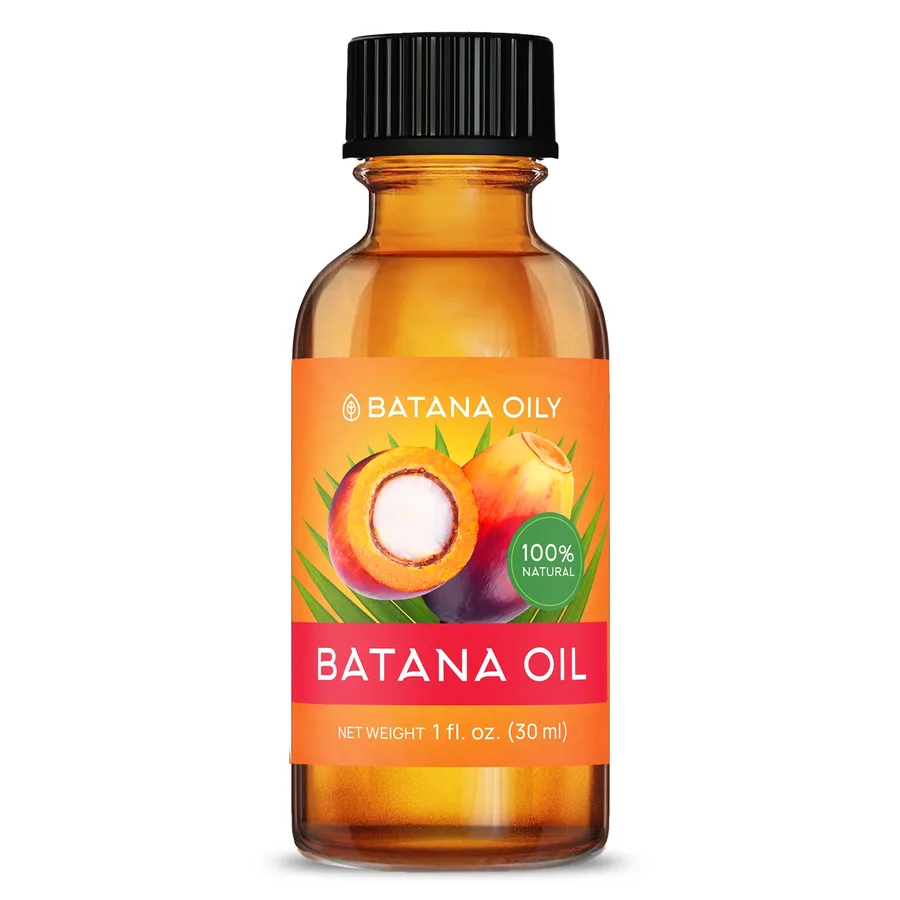
Natural Batana Oil
Honduran batana oil and batana butter, from a small bottle to bulk sizes.
From $12.99
Shop Batana Oil →Sources & Further Reading
- Grainy or crumbly shea butter: causes and what helps
- Cosmetics Preservation: A Review on Present Strategies (Molecules, 2018)