Batana Oil for Nails and Cuticles: A One-Minute Routine
Look at your hands right after washing dishes and you will see it: the cuticle, that thin band of skin at the base of the nail, looks pale and a little rough. It is also the part of a manicure people most want to fix and are most tempted to fix the wrong way, with scissors. A tiny amount of oil, rubbed in once a day, is a much kinder habit.
Leave the cutting to nobody
The American Academy of Dermatology's tips for healthy nails are blunt on one point: do not bite your fingernails or remove the cuticle, because doing so can damage the nail. The cuticle is a seal at the nail root, so there is little reason to trim it away. What you can do is keep it soft and looking tidy, and that is where a cosmetic oil comes in.
The rice-grain routine
Here is the routine we would suggest, built from the dermatologists' advice above and some plain arithmetic about how little oil a fingertip needs.
- Start with clean, slightly damp hands. The AAD recommends moisturizing after hand washing, and oil holds on best when there is a little water on the skin.
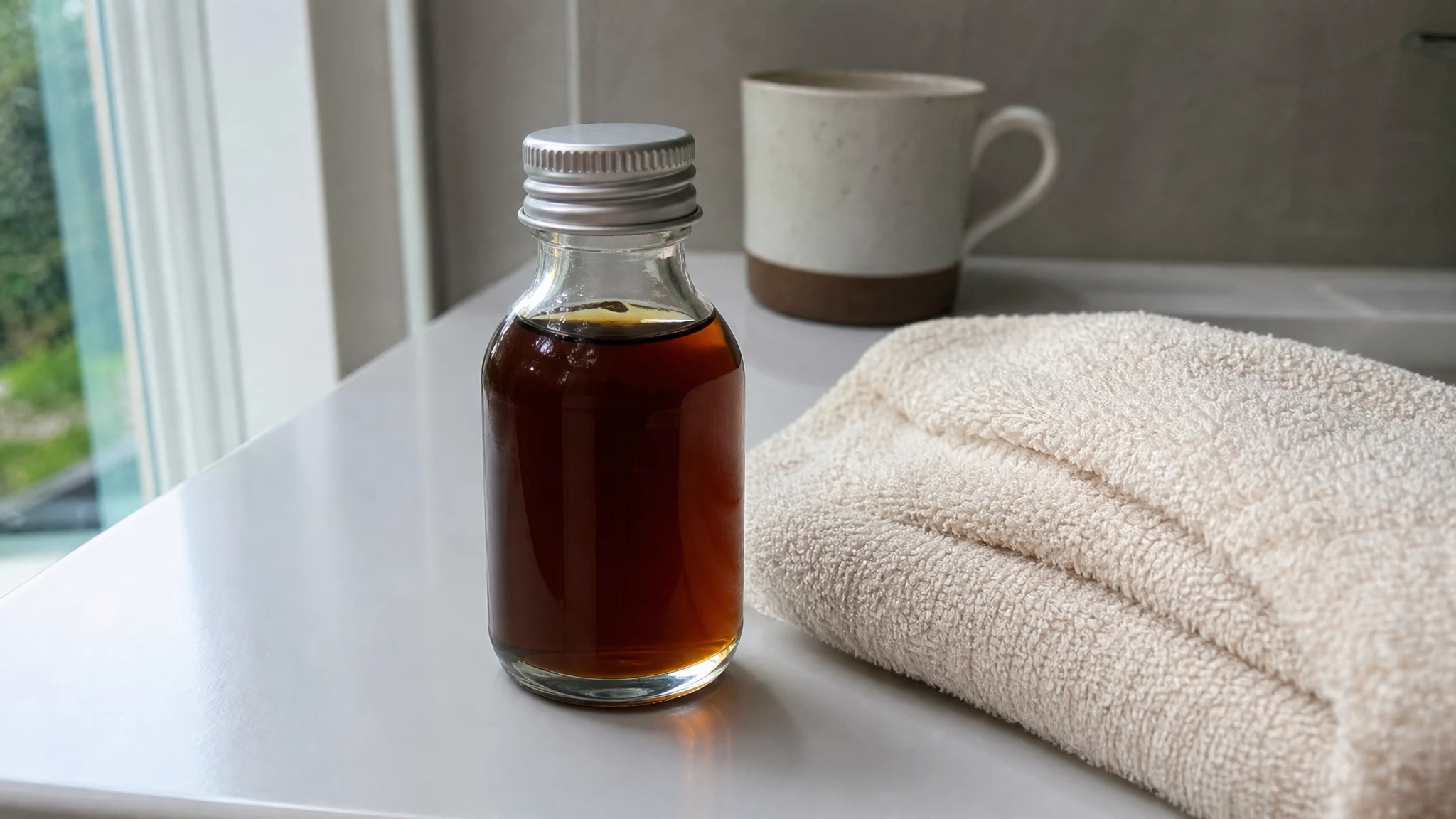
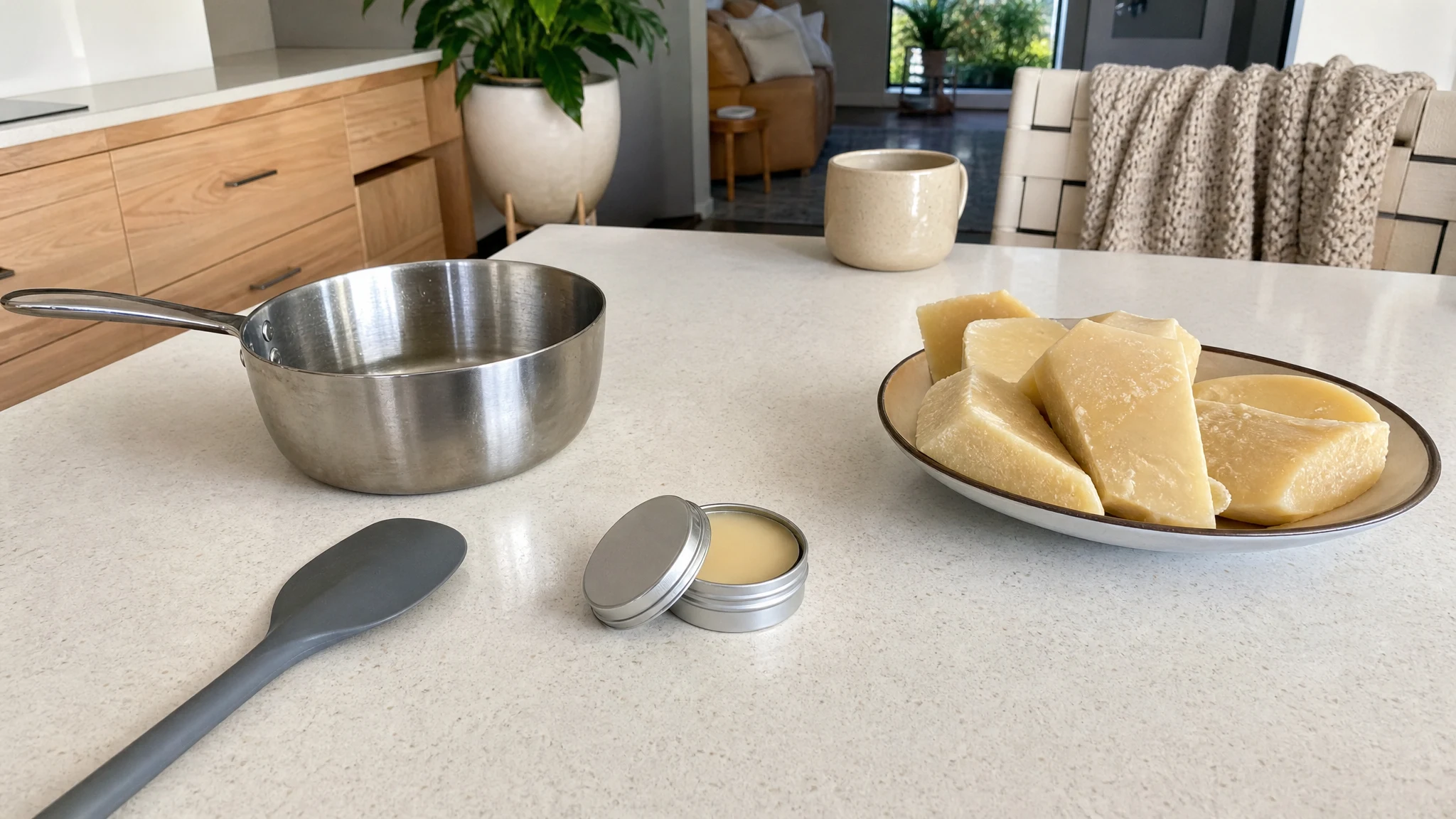
- Use a rice-grain amount per hand. Of our oil, that is a single drop. Of our butter, it is a small smear you can scoop with the tip of a finger. More is not better: it only transfers to your phone.
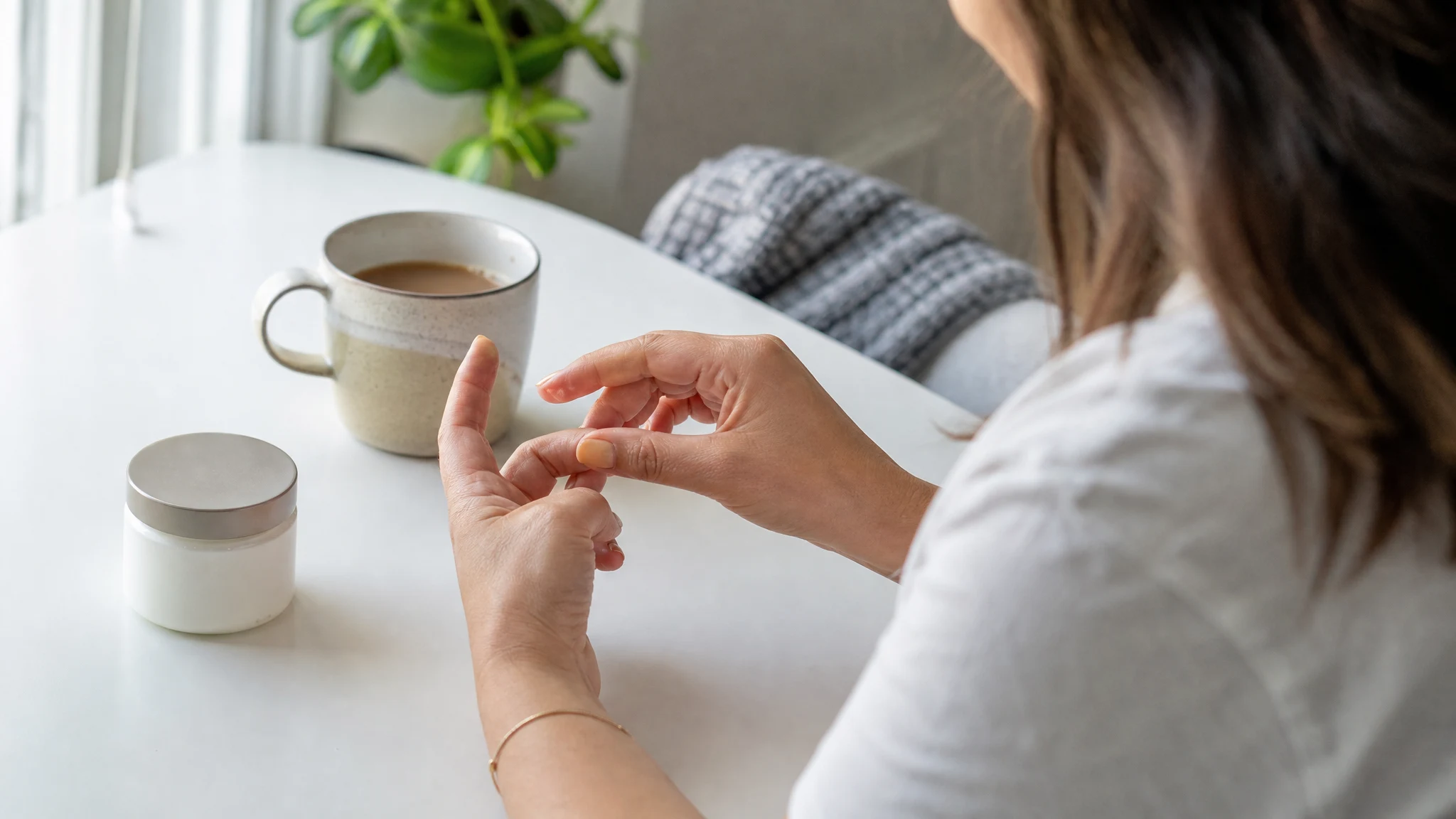
- Warm it between two fingertips, then press it into the base of each nail.
- Massage in small circles for about ten seconds per nail, pressing gently along the sides as well as the base.
- Finish with your usual hand cream. The cream adds the water the oil then helps seal in.
Done in the evening, it takes a minute and a half. The result is cuticles that look softer and neater and nails with a gentle sheen. We do not claim more than that: it conditions how the area looks and feels, and it does not change the nail itself.
Oil or butter on the hands?
This is one of the few places where we reach for the butter. Our Natural Batana Butter has the same uses as our oil in a thicker consistency, and it is less likely to drip or spill, so you can press a little onto each nail without the oil running down your wrist. The oil is the better choice if you like a lighter finish or want to blend a drop into hand cream. It also depends on your day: butter is easier to carry in a bag, oil is easier to spread across the back of the hand. Our wider note on using batana oil on skin explains the choice in more detail.
Some small habits that help more than the oil
Gloves for dishes and cleaning keep water from drying out your nails, the AAD says, and that does more for your hands than any oil. For the cuticle itself, the AAD's manicure safety page says never to cut or forcefully push cuticles back, and that if you must nudge them, do it gently and only after a shower or bath, when the skin is soft. If you go to a salon, it is fair to ask how they clean their tools. The oil just makes the routine pleasant, and a softened cuticle is far easier to leave alone.
It also helps to think of the routine as simple upkeep. You are not trying to change anything about the nail. You are keeping the skin around it comfortable so you stop reaching for it, and that tends to be the real win.
If a nail looks discoloured, painful, or changes shape, that deserves a dermatologist's attention rather than a home routine. We sell a cosmetic oil, and patch test it on your skin before first use, as we do for every use. For the basics of getting the amount right, our guide on how to use batana oil covers the general method.
A little ritual at the end of the day, a fingertip of oil and a minute of massage, is also a small pause that is rare in a busy week. That alone makes it worth keeping.
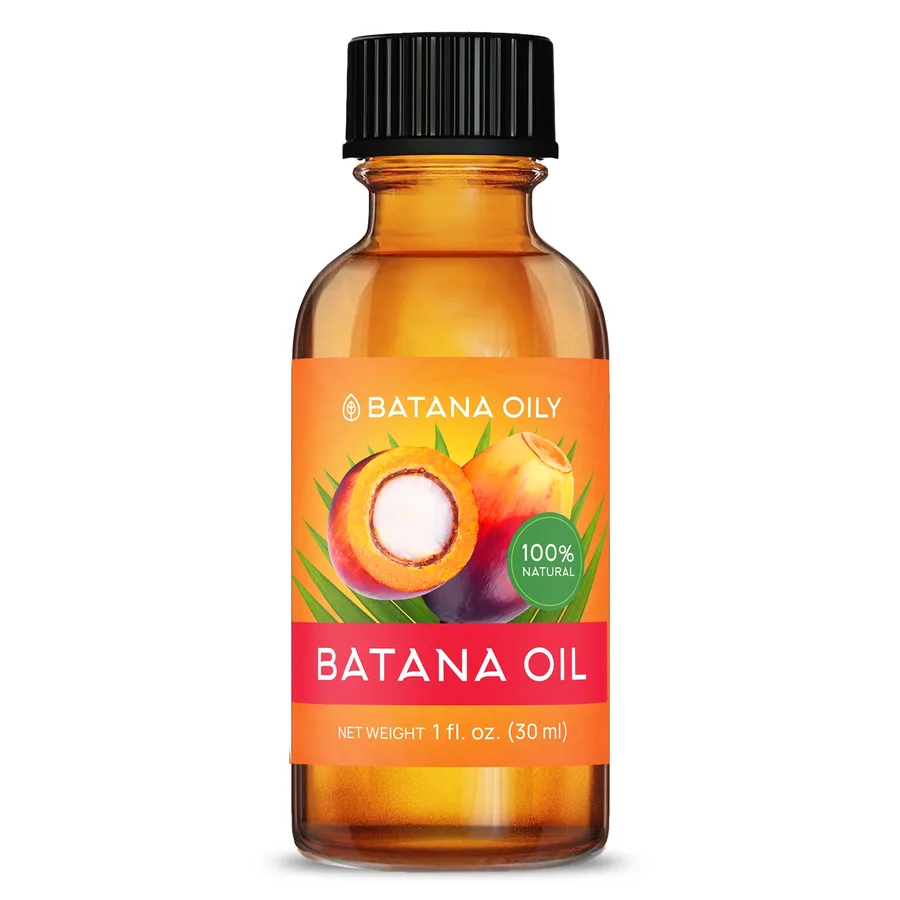
Natural Batana Oil
Honduran batana oil and batana butter, from a small bottle to bulk sizes.
From $12.99
Shop Batana Oil →Sources & Further Reading
- 11 dermatologists' tips for healthy nails, American Academy of Dermatology
- Manicure and pedicure safety, American Academy of Dermatology