Batana Oil for Edges: A Light Touch for Baby Hairs
Edges are the smallest part of your hair and the part that gets the most attention. They sit at the front of every photo, they are finer than the rest of your hair, and they show product build-up faster than any other spot. Which is why the best edge routine is mostly about using less.
Why edges need a different amount
Edges are a special case of a general rule for oils: the finer the hair, the less it takes.
The hairs along the hairline are usually shorter and finer than those further back, and they sit on skin that is more delicate than the scalp. A dose that feels right for your lengths is far too much here. It leaves the area greasy, makes baby hairs clump into dark little lines, and can collect lint or dust throughout the day.
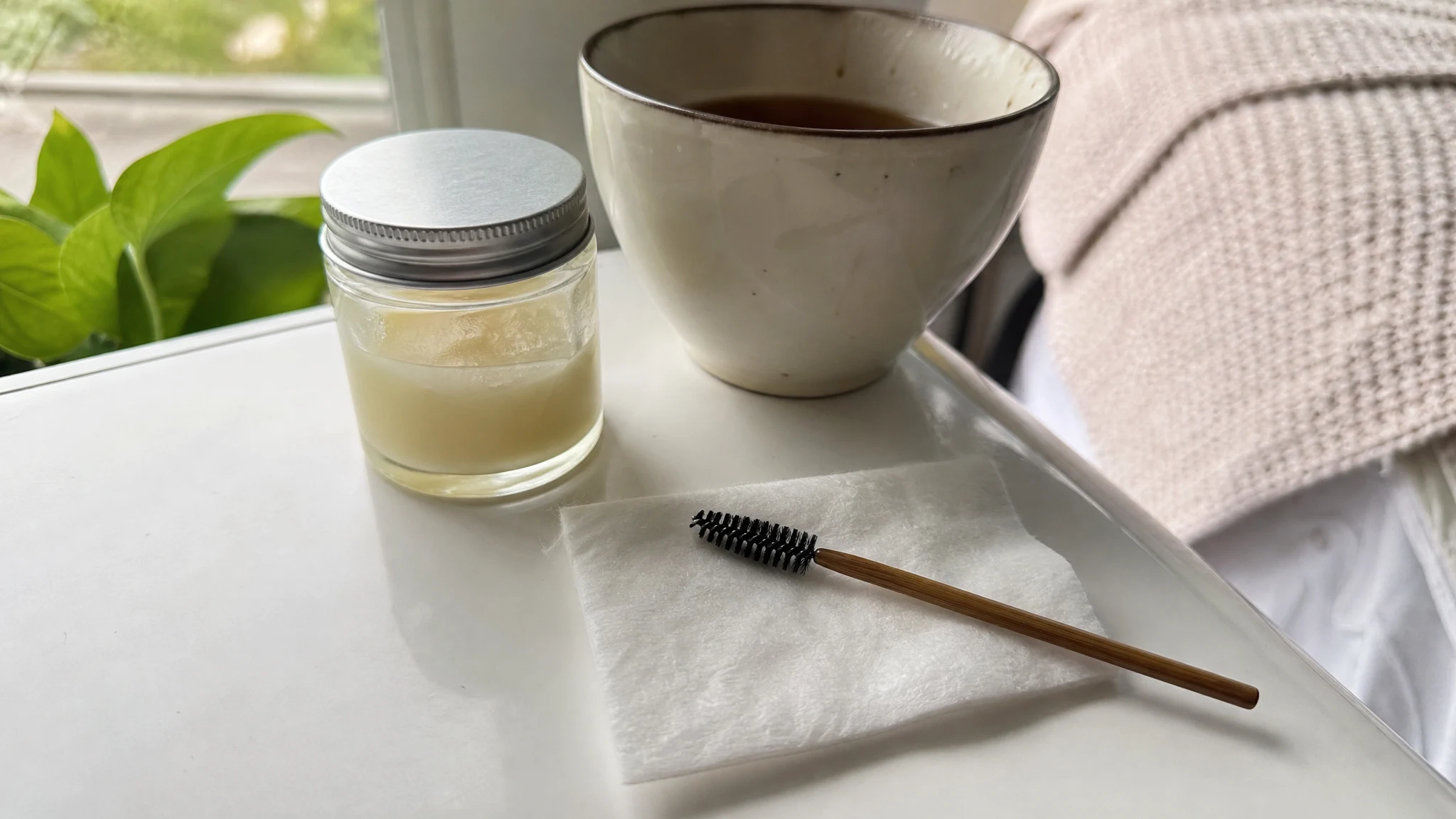
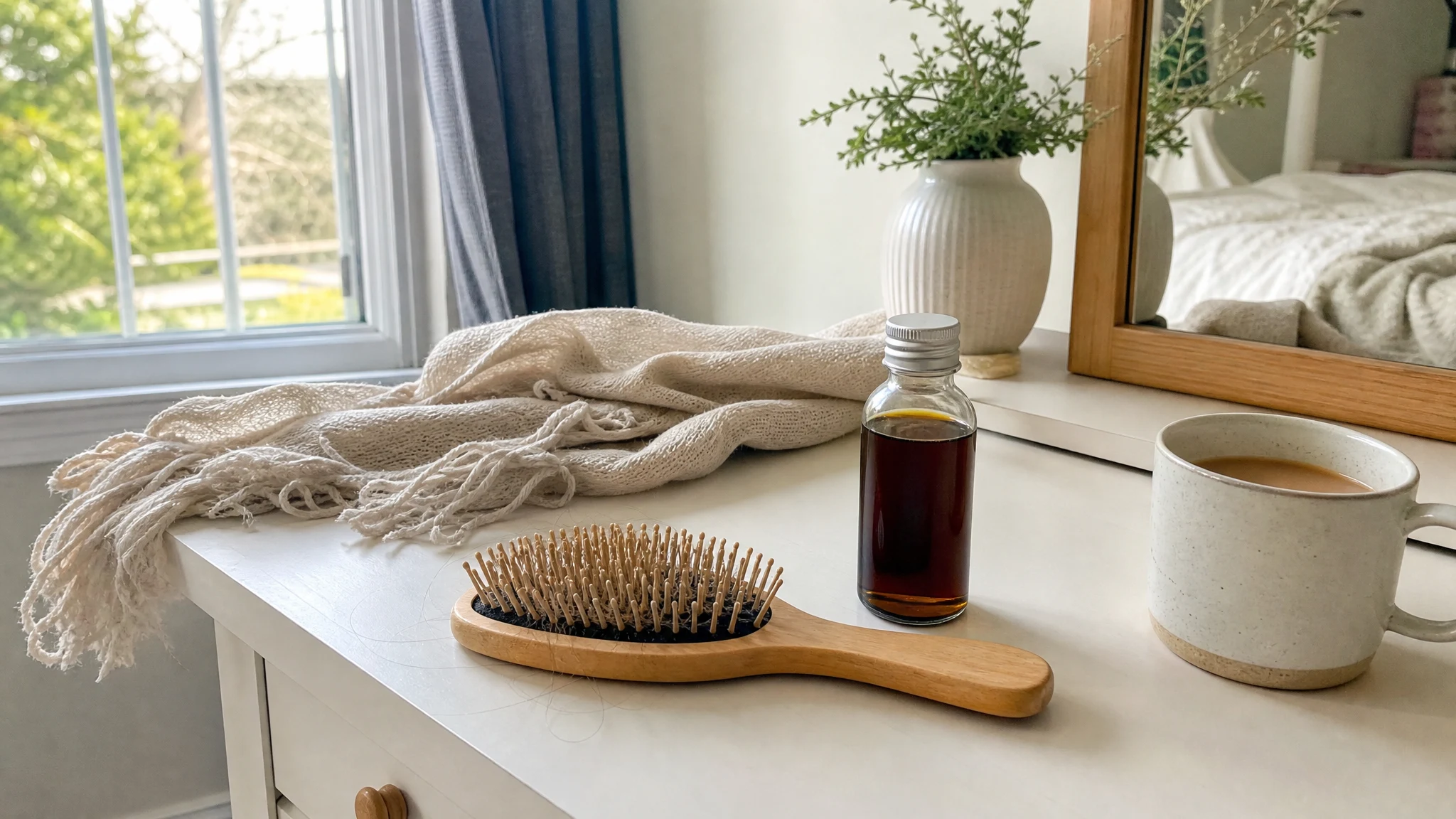
So the rule is a fingertip, not a fingerful. With our Natural Batana Oil, that is one drop on a clean finger, rubbed against your thumb until it is a thin sheen. If you prefer something that stays put, a smear of our butter, which has the same uses in a thicker consistency, warmed between your fingers, gives you more control and is less likely to run.
The smoothing routine, step by step
- Start from clean, slightly damp edges. Oil over old gel and residue just makes a film.
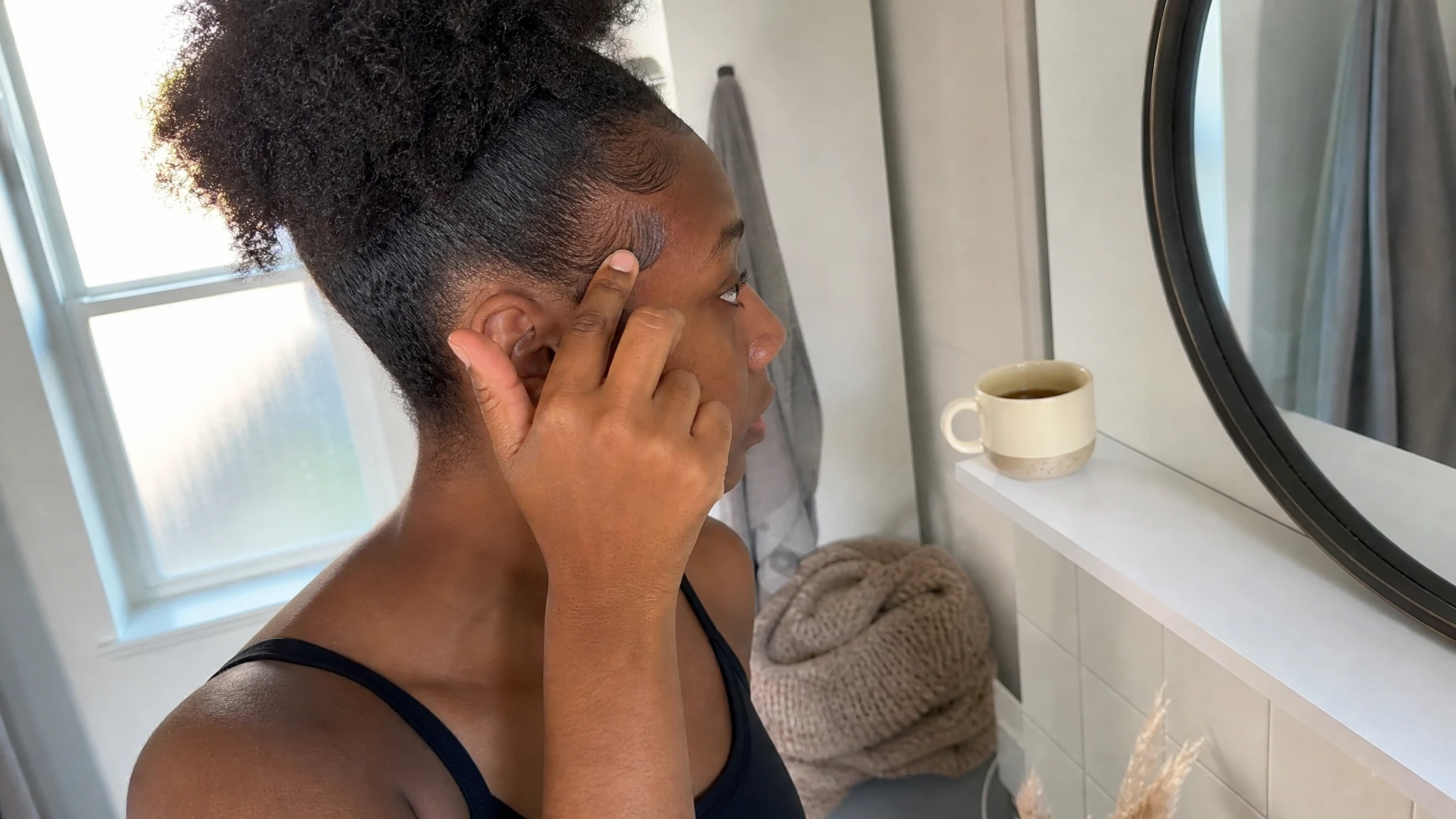
- Warm one drop between your fingertips until it disappears into a sheen.
- Press, then stroke. Press the oil lightly onto the edges, then guide the hairs in the direction you want with a soft brush or your finger.
- Tie down briefly if you like, with a soft scarf for a few minutes, then remove it. Soft fabric against the hairline, not a tight band.
- Stop. If you are tempted to add more, wait ten minutes and look again in daylight.
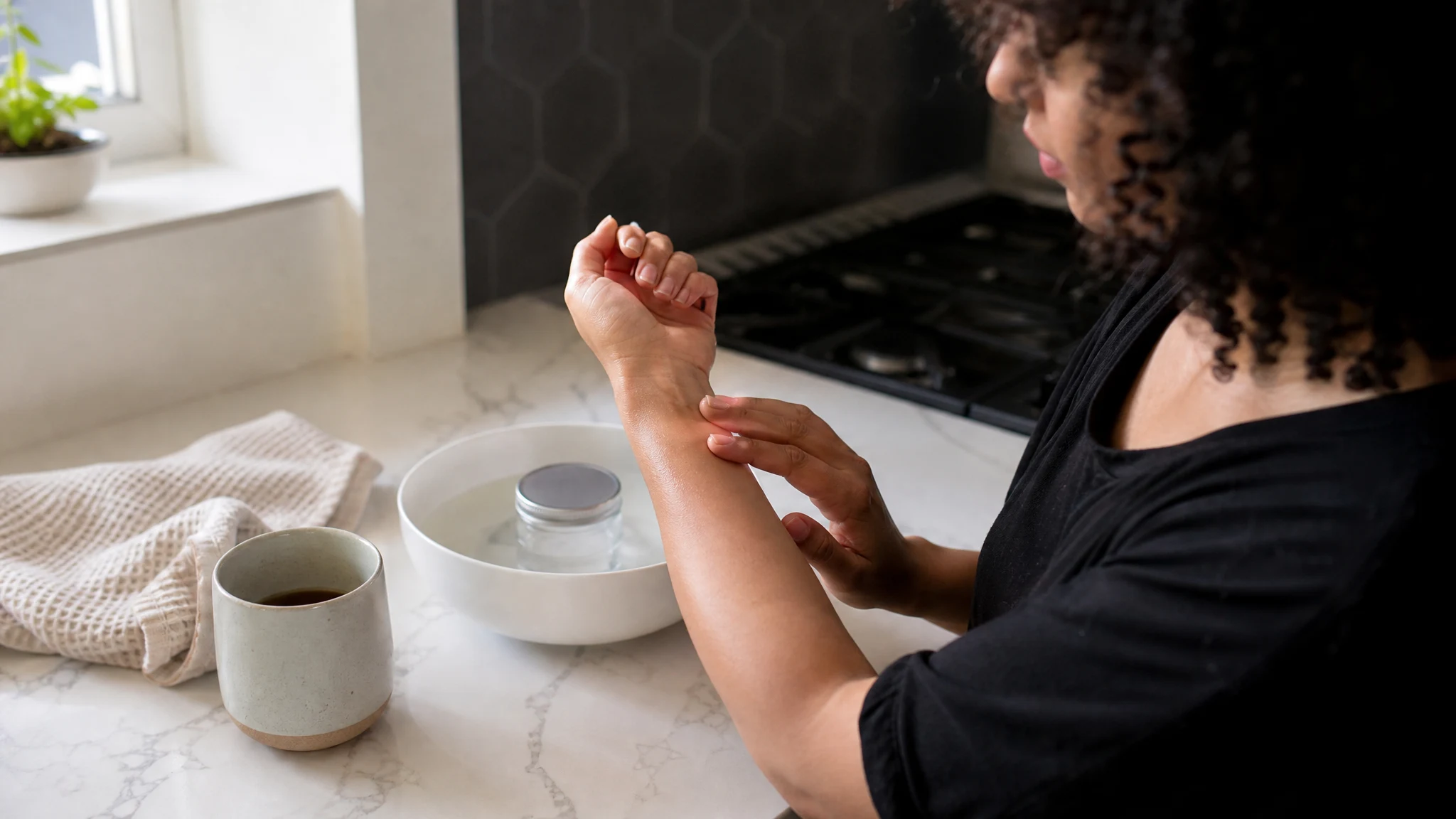
Keep it away from your eyes, and patch test once on your inner arm before it goes anywhere near your face. Skin and hair vary from person to person.
Your hairline is also a tension map
Here the honest advice is not about oil at all. The American Academy of Dermatology notes that tight hairstyles, such as tight braids, locs, cornrows, buns and ponytails, can pull on the hair, and that the hairline is one of the first places this shows. Its practical test is simple: if your hairstyle feels painful, it is too tight. Its suggestion is to loosen the style, especially around the hairline.
We would add one editorial opinion. If a style looks great but leaves you reaching for a painkiller on day two, take it down. Soft, loose styling around the front is a better investment for the edges than any product. And if you notice that your edges look different from how they used to, with broken hairs, a receding line or a patchy look, ask a board-certified dermatologist. We sell a cosmetic oil, and that conversation is not one an oil can have for you.
Keeping the area clean
Rinse the area when you wash your face, and remove any oil before you go to bed, so your pillowcase and skin are not carrying yesterday's layer. Little and often beats a big coat once a week.
The hairline is where products meet skin, sweat and your hands all day, so it collects residue sooner than the rest of the head.
Give them a rinse with your regular cleanser rather than waiting for wash day. A light-handed approach with oil plus an occasional clarifying shampoo keeps the hairline looking soft instead of waxy.
If your edges are part of a bigger style, our guide to locs and braids covers the rest of the head, and the 4C guide covers lengths. For the general picture, start with the hair overview.
Smooth, soft edges are a small detail that makes everything else look finished. A drop, a stroke, and out the door.
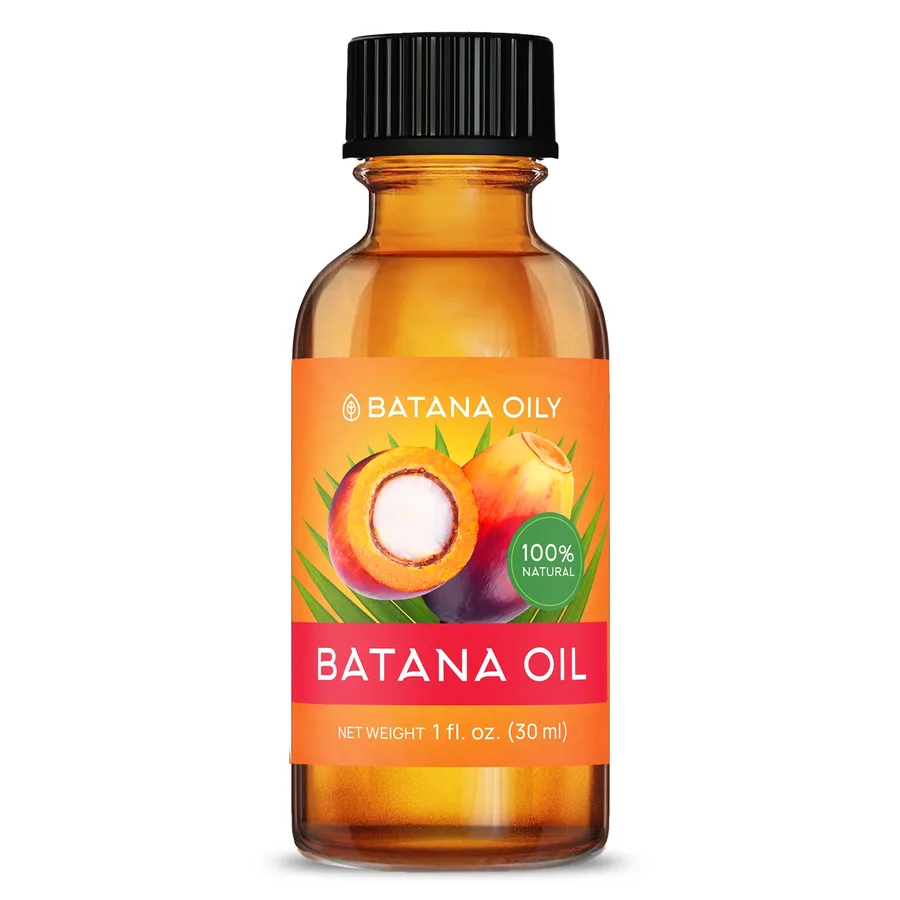
Natural Batana Oil
Honduran batana oil and batana butter, from a small bottle to bulk sizes.
From $12.99
Shop Batana Oil →Sources & Further Reading
- Hairstyles that pull can lead to hair loss (American Academy of Dermatology)