Batana Oil for Hair: What It Does Well, and What It Doesn't
Here is the verdict up front: batana oil is a conditioning oil. It softens hair, adds shine, and helps a style look neater and fuller. That is a real and pleasant job, and it is the one we sell our oil for, so it is the one this guide sticks to.
What an oil does to a strand
Think of each hair as a rod covered in overlapping scales, the cuticle. When the scales sit flat, hair looks shiny and slides past itself. When they lift, hair looks dull and tangles. A dermatology review of hair cosmetics describes conditioners as products that lubricate the cuticle, reduce friction, minimize frizz and make combing easier, and it lists oils among the ingredients that do that work.
So an oil's effect is mostly about the surface and the feel. Softness, slip, shine and a smoother outline are all things you can see and touch within a single wash cycle. That is a useful thing to want from a bottle, and it is also a clear limit on what to expect.
Where batana oil fits
Natural Batana Oil is made in Honduras from the nuts of the American oil palm, Elaeis oleifera, which is a different tree from the African oil palm behind most palm oil; our plant page explains the difference. It has an earthy aroma, and it is a rich oil, so it behaves the way rich oils do: a small amount goes a long way, and the ends of the hair take it best. Our Natural Batana Butter is the same idea in a thicker consistency, which some people prefer because it is less likely to drip.
A fair note on evidence: the laboratory studies of hair oils that we can point to are about coconut, sunflower and mineral oil. In the classic comparison, coconut oil was the one that reduced protein loss from combed hair, and the other two did not. That tells you that oils differ from one another, which is why we do not borrow those results for batana. We go through what has and has not been studied in our research round-up.
Match the amount to the hair
- Fine or straight hair reaches heavy quickly. A few drops warmed between the palms, kept to the lower half of the hair. There is more in our fine hair guide.
- Thick, coily or curly hair can take more, and often wants it for softness and definition. See the 4C guide.
- Low porosity hair tends to hold oil on the surface, so thin layers on damp hair work better than one generous coat. That one has its own guide too.
If you are unsure, start with less than you think. You can always add a second pass; you cannot easily take product back out without another wash.
Fuller-looking, not fuller
People often ask whether an oil can give hair more body. What it can do is change how the hair you have looks. Smoothed, defined strands catch light and clump less raggedly, and that reads as a fuller finish. Too much oil does the opposite and flattens fine hair against the scalp. We cover that balance in our post on fuller-looking hair.
Where an oil stops
A cosmetic oil is not a treatment for changes in how much hair you have. If you are seeing more hair in the brush or the drain than you used to, or your parting is widening, that is a question for a dermatologist, and we would rather you ask it early than try one more bottle.
For everything inside the cosmetic lane, give a routine a few weeks before you judge it; this post explains what to watch for and when, and this one shows how to compare fairly. When you are ready to try it, the how-to guide walks through application.
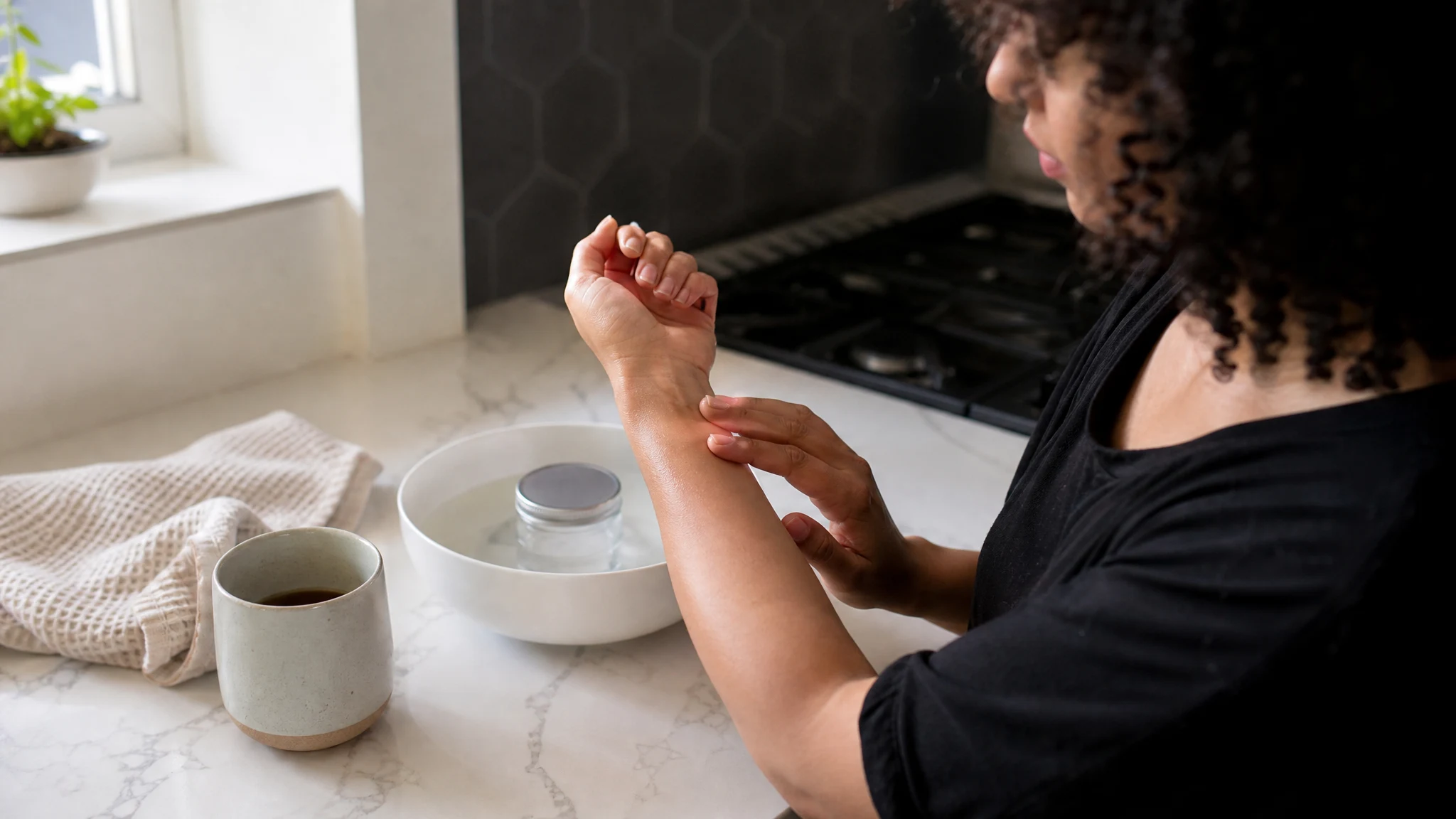
Hair is personal, and the best oil routine is the one that leaves your hair feeling like yours on a good day. Patch test on your inner arm first and keep it out of your eyes; skin and hair vary from person to person.
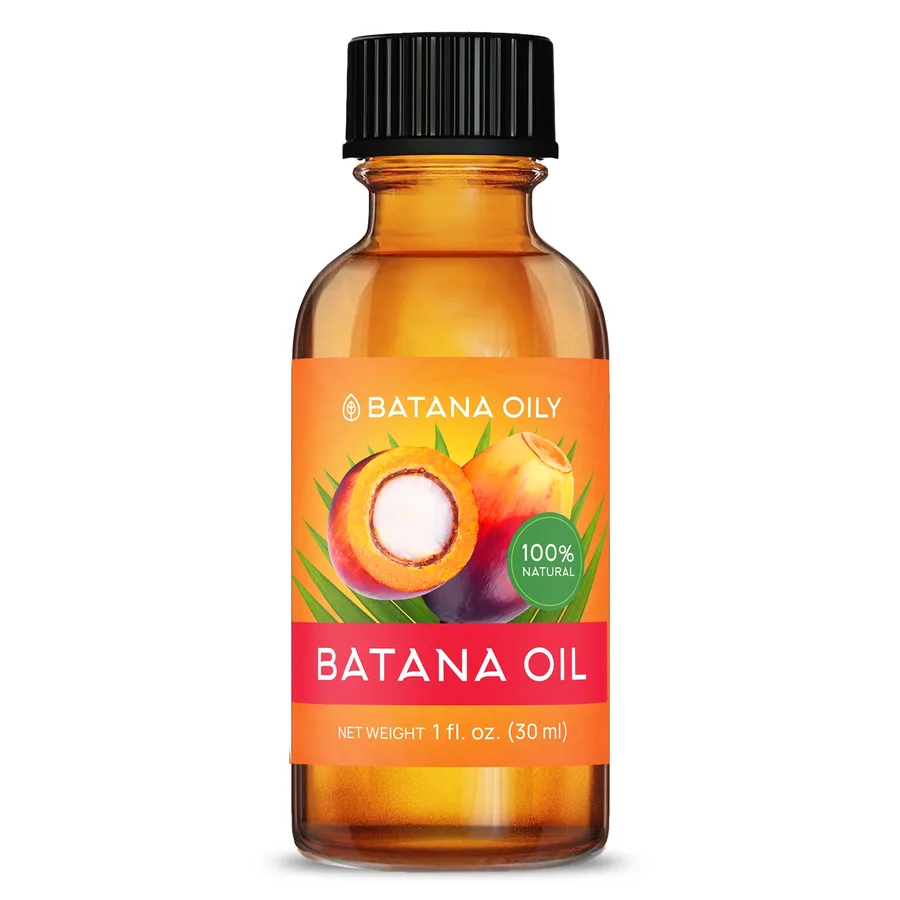
Natural Batana Oil
Honduran batana oil and batana butter, from a small bottle to bulk sizes.
From $12.99
Shop Batana Oil →Sources & Further Reading
- Gavazzoni Dias MF. Hair cosmetics: an overview. Int J Trichology, 2015.
- Rele AS, Mohile RB. Effect of mineral oil, sunflower oil, and coconut oil on prevention of hair damage. J Cosmet Sci, 2003.