Batana Oil for Beards: Softness, Skin and How Much to Use
A beard is hair with skin underneath, and most of what makes it feel good or bad comes down to that skin. Batana oil can help with the part you can feel and see: a softer, smoother, better-behaved beard with a healthy-looking sheen. Here is how we would use it, how much, and why restraint pays off.
Start with the skin
The American Academy of Dermatology's page "A dermatologist's top tips for a healthy beard" says it plainly: moisturizing can help soften the skin and beard hairs, and without it the skin underneath can get dry and itchy. That reframes the job. You are not dressing the hairs alone; you are moisturizing skin that a beard shades and hides from view.
The same page suggests washing your face and beard every day with a gentle cleanser and lukewarm water, and using any oil or conditioner sparingly, since you can always add more. That second point is the one that matters most with a rich oil.
How much, and where
Batana is rich, so we would count drops rather than pour. Our rough starting point, built from simple arithmetic and the AAD's advice to go easy, runs like this:
- Stubble to a short beard: 2 or 3 drops.
- A medium beard: 4 or 5 drops.
- A long beard: 6 to 8 drops, spread across two rounds rather than all at once.
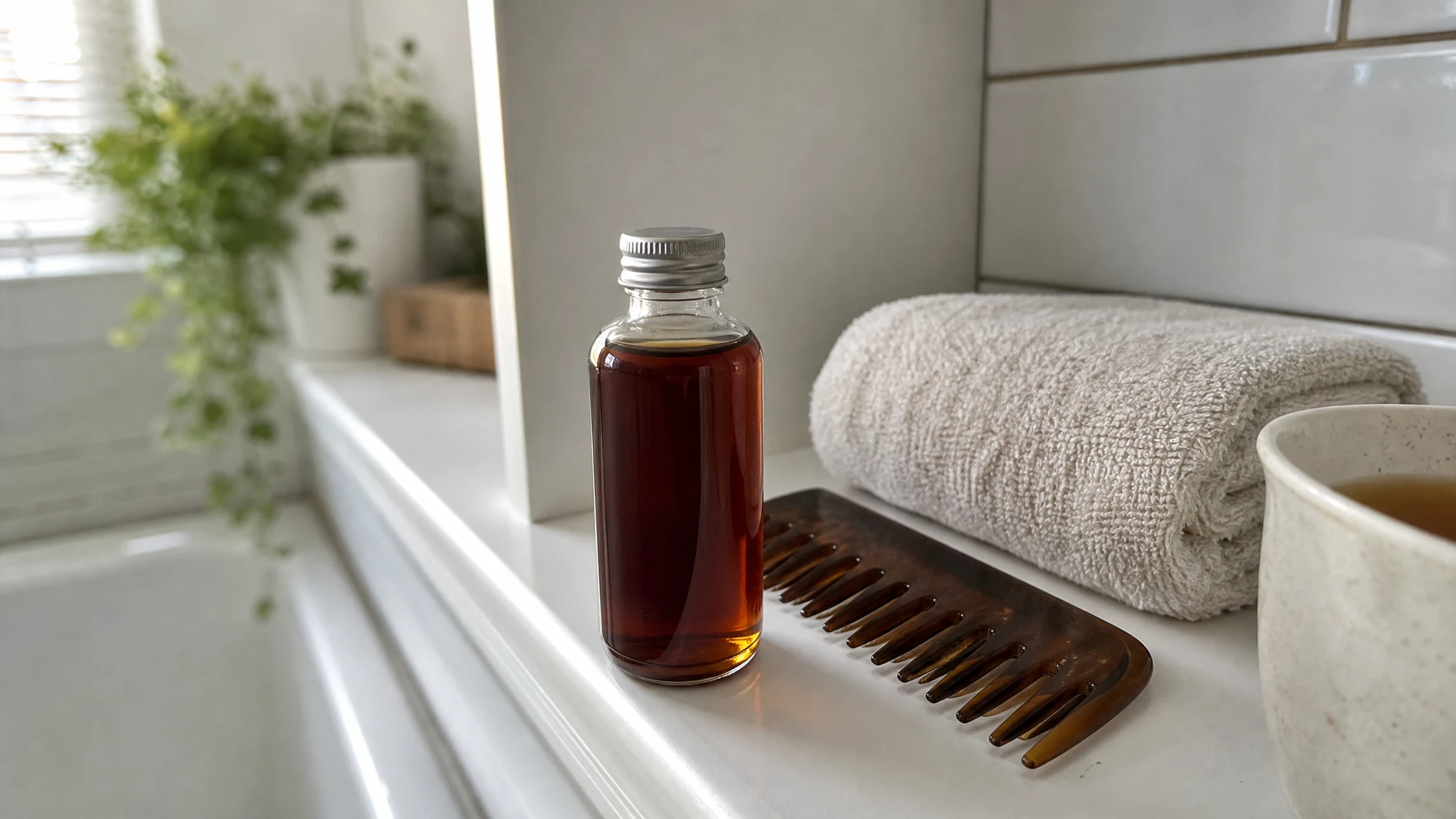
Put the drops in your palms and rub them together until they have spread and warmed. Start at the skin, fingers working in from the cheeks and under the jaw so the oil reaches the skin and the roots of the hair. Then stroke through the length, down toward the tips. Finish with a comb. A comb moves the oil evenly through the beard and takes out tangles, and the AAD notes that combing is easier on a wet beard, so the best time to oil is straight after the shower, when the beard is damp and the skin is warm.
Why a rich oil can feel heavy
If a beard feels greasy, it usually has more oil than the hair and skin can take. Short beards, or fine ones, reach that point soonest. Dial it back by a drop, apply it after washing rather than during the day, and give the comb more of the work. Our guide to using batana oil shows the general approach to warming and spreading it. If your skin tends to break out, our post on whether batana oil is comedogenic goes through the question, and a patch test on a small area comes first either way.
Oil or butter?
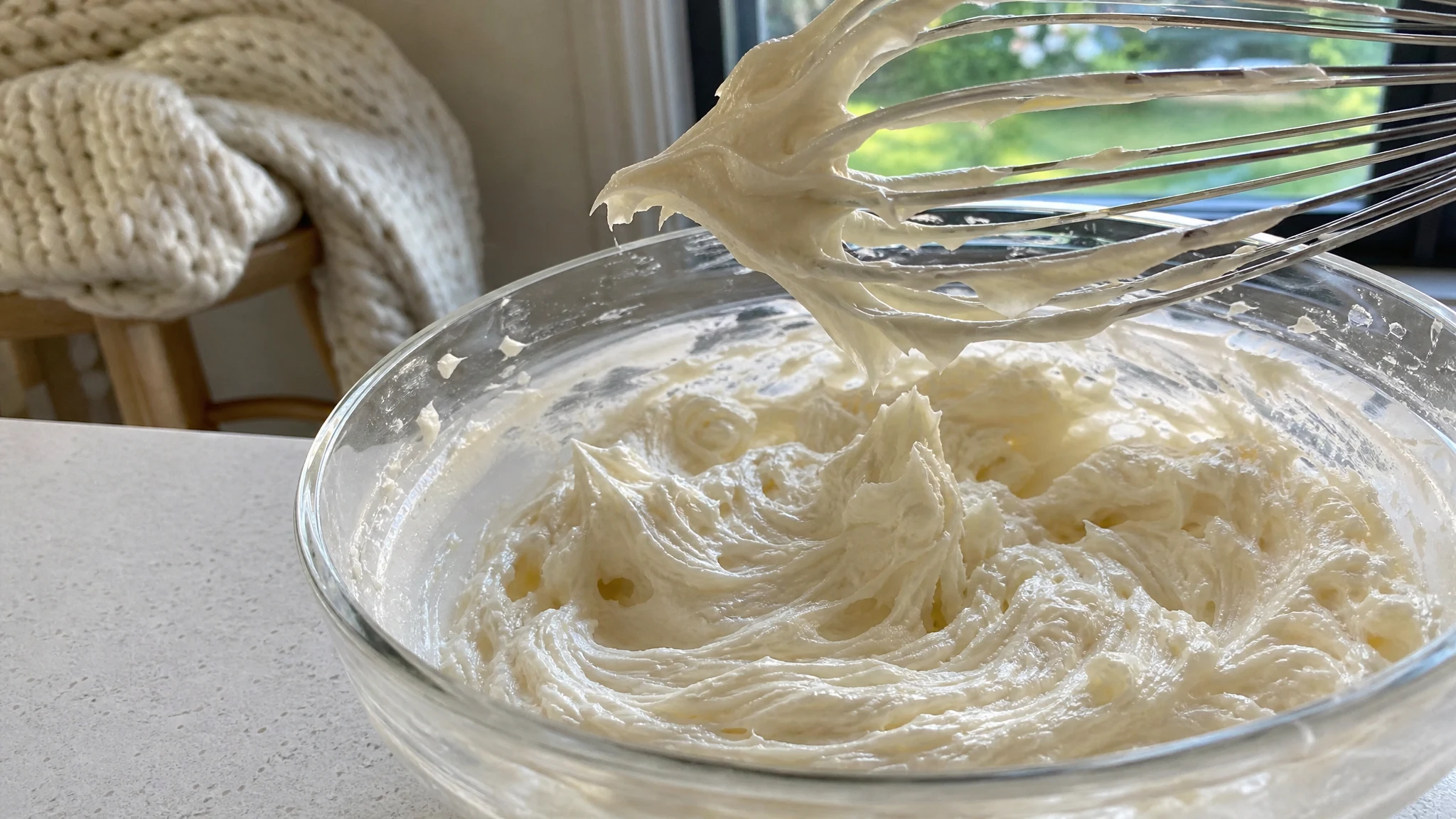
Our oil is the easier one to work into a beard from the skin outward. Our butter has the same uses as the oil in a thicker consistency and is less likely to drip, which suits a longer beard that needs a little hold or a firmer finish along the ends. Warm a small amount between your palms before it goes on, and expect to use less than you would of the oil.
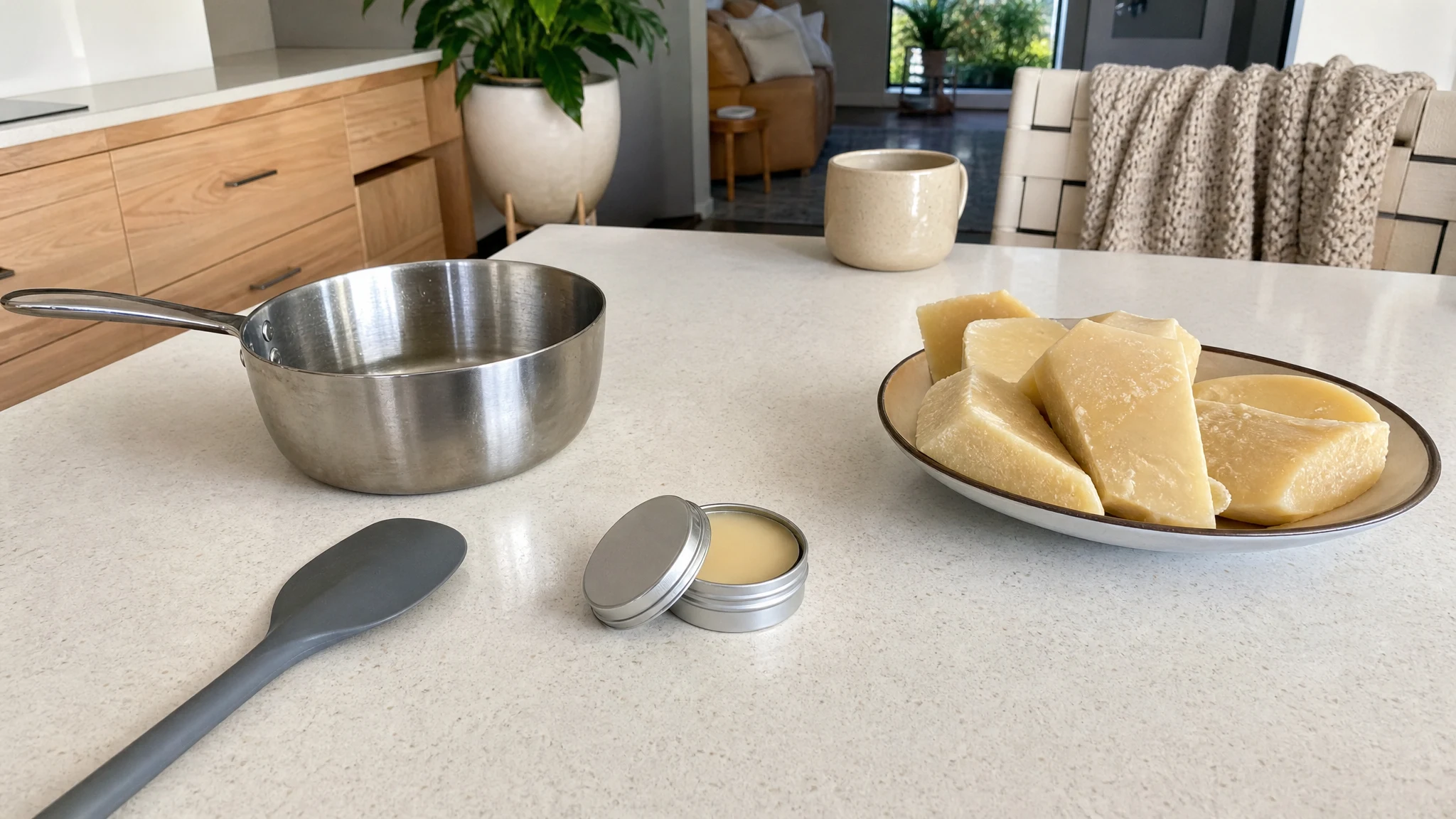
We do not sell beard balm. If you like the idea of making your own, our DIY beard balm post walks through the recipe, with the arithmetic laid out. Beeswax and other ingredients come from a craft supply shop.
When it is not about oil
If the skin under your beard stays red, flaky or itchy even with regular washing and moisturizing, or you notice patches or ingrown hairs, that is a conversation for a dermatologist. We sell a cosmetic oil, which is for softness and shine, not for treating skin conditions. For hair on the scalp, our hair guide covers the same approach in more detail.
A well-kept beard does not need much: a clean face, a comb, and a small amount of something that makes it soft and pleasant to touch.
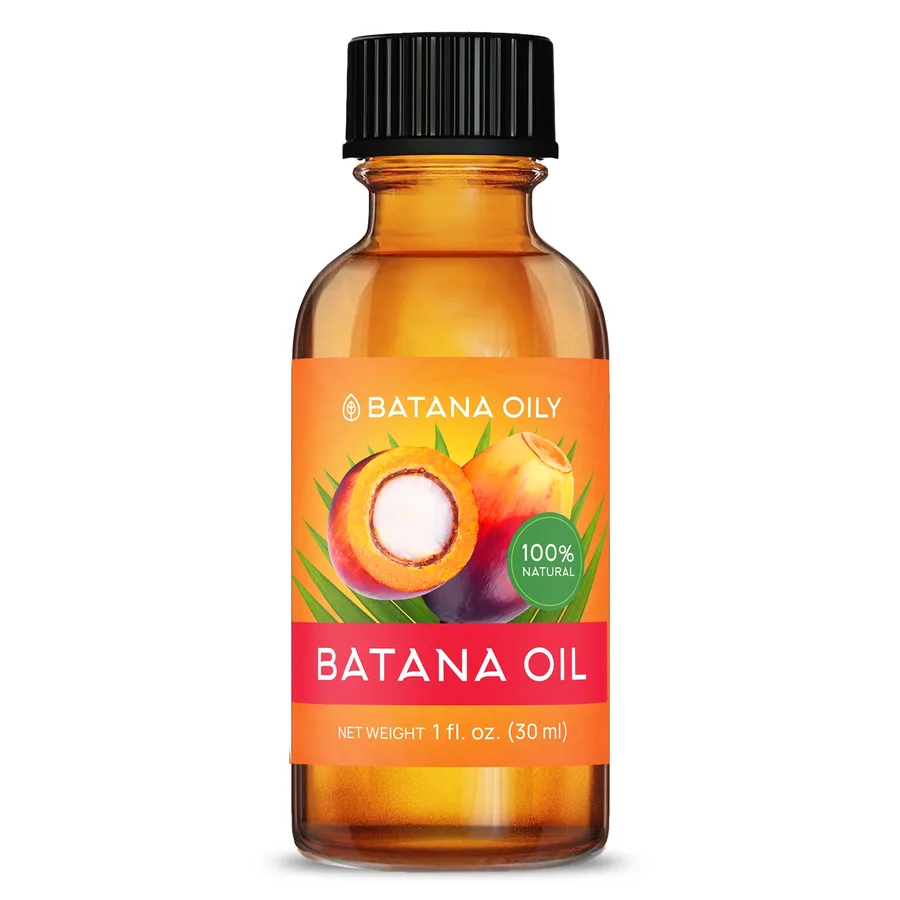
Natural Batana Oil
Honduran batana oil and batana butter, from a small bottle to bulk sizes.
From $12.99
Shop Batana Oil →Sources & Further Reading
- A dermatologist's top tips for a healthy beard, American Academy of Dermatology
- Hair Cosmetics: An Overview, Gavazzoni Dias MFR, International Journal of Trichology, 2015