Batana Oil for a Dry-Feeling Scalp: How to Use It Well
A dry scalp has its own particular feeling: tight after a shower, a bit itchy by afternoon, sometimes with fine flakes on dark clothes. It is tempting to reach for the heaviest oil in the cupboard. A lighter, more deliberate touch works better, and it starts with working out what you are actually dealing with.
Dry is not the same as flaky
The American Academy of Dermatology explains that dry skin happens when skin loses too much water, and that dandruff can look much the same on the scalp, which is why the two are hard to tell apart without a dermatologist. Dandruff tends to come and go and is often linked to seborrheic dermatitis. Dry scalp, by contrast, often follows harsh washing or cold, dry air. The AAD suggests a gentle, non-medicated shampoo for a dry scalp, and notes that some hair products can irritate by stripping the skin's natural oils.
So the sequence we would suggest is simple. Start with the washing: shampoo the scalp, not the whole length, and keep water lukewarm. Then add a moisturizing oil for the dry-feeling skin. And if flaking or itching persists, or an over-the-counter product does not help, the AAD's advice is to see a board-certified dermatologist for a proper diagnosis. We sell a cosmetic oil. It moisturizes, and it is not a treatment for any scalp condition.
A small amount, put where it counts
With Natural Batana Oil, a little goes far. Here is how to apply it, built from standard hair-care practice and simple arithmetic: you want a thin film on the skin, not a pool.
- Warm a few drops between your fingertips. Aim for a coin-sized dab of butter or less than half a teaspoon of oil for the whole scalp.
- Part your hair into four or five sections, and touch your fingertips along each part line. Working in sections puts the oil on the skin instead of the strands.
- Press and massage gently with the pads of your fingers, not your nails. If you want a technique, our scalp massage guide walks through it.
- Leave it for anywhere from thirty minutes to an hour before washing, or a little longer if you are comfortable. Overnight is a personal call, and we cover it in leaving batana oil in overnight.
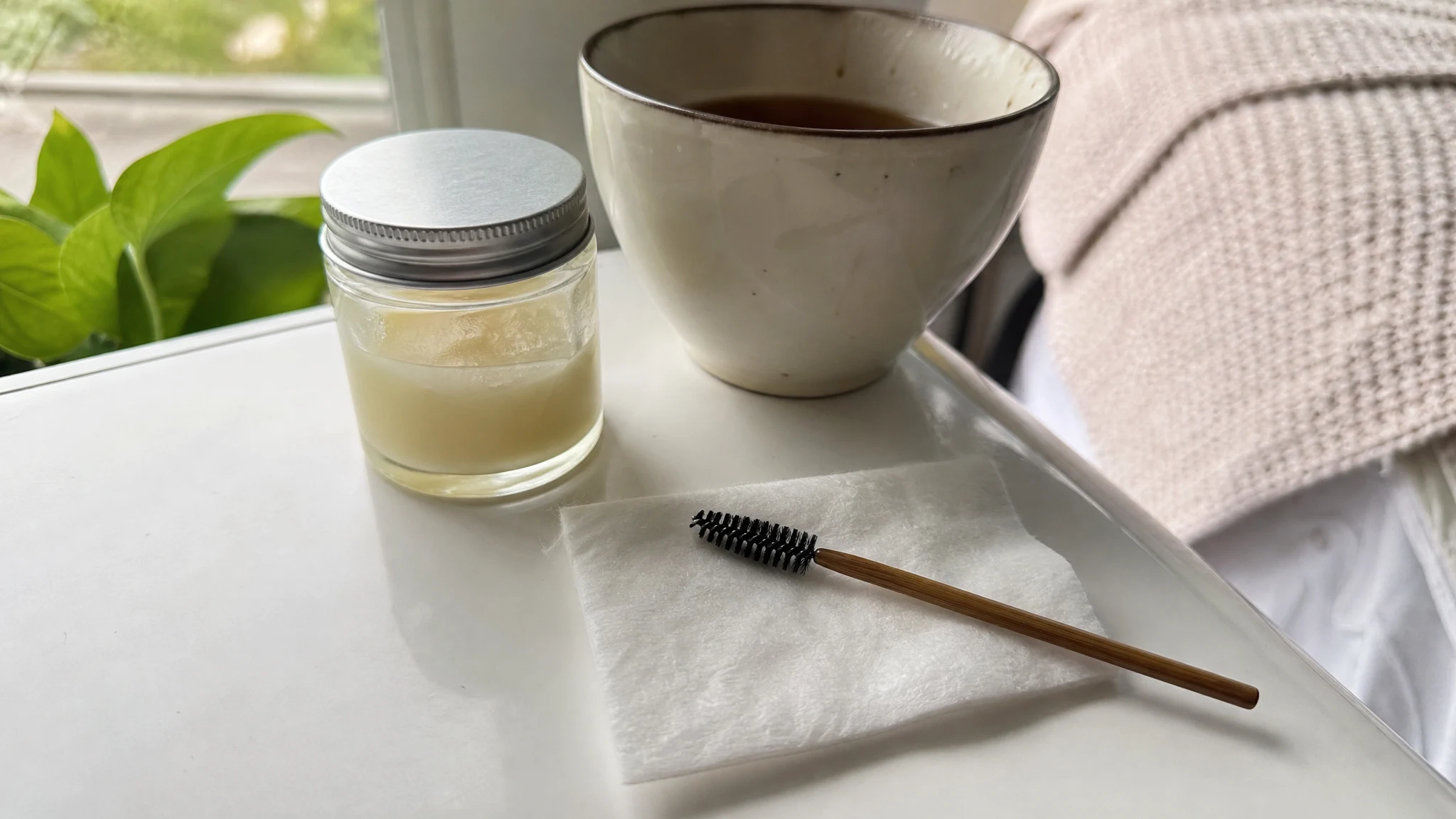
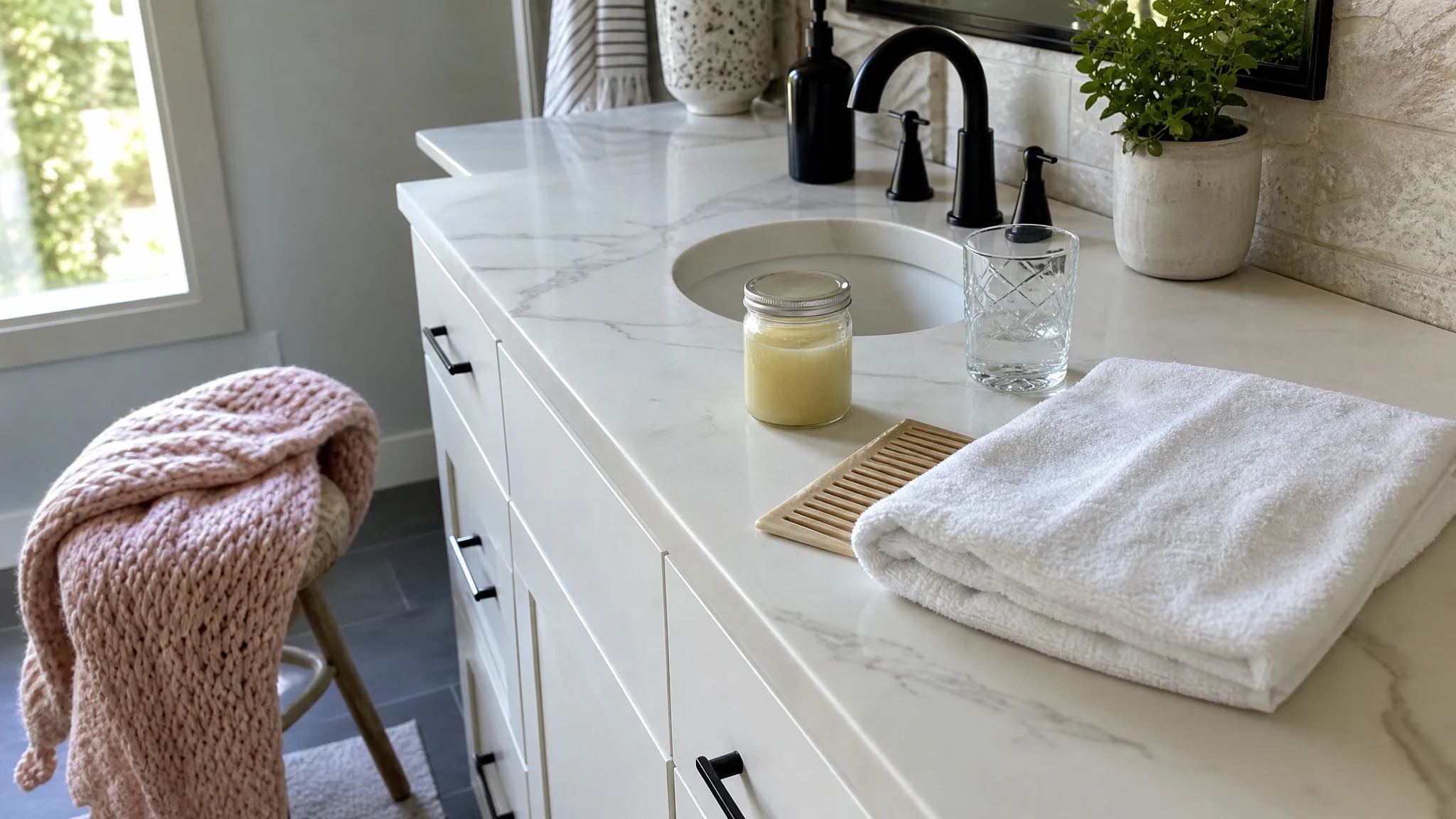
Our Natural Batana Butter has the same uses in a thicker form and is less likely to drip, which many people find easier for scalp work.
Choosing oil or butter
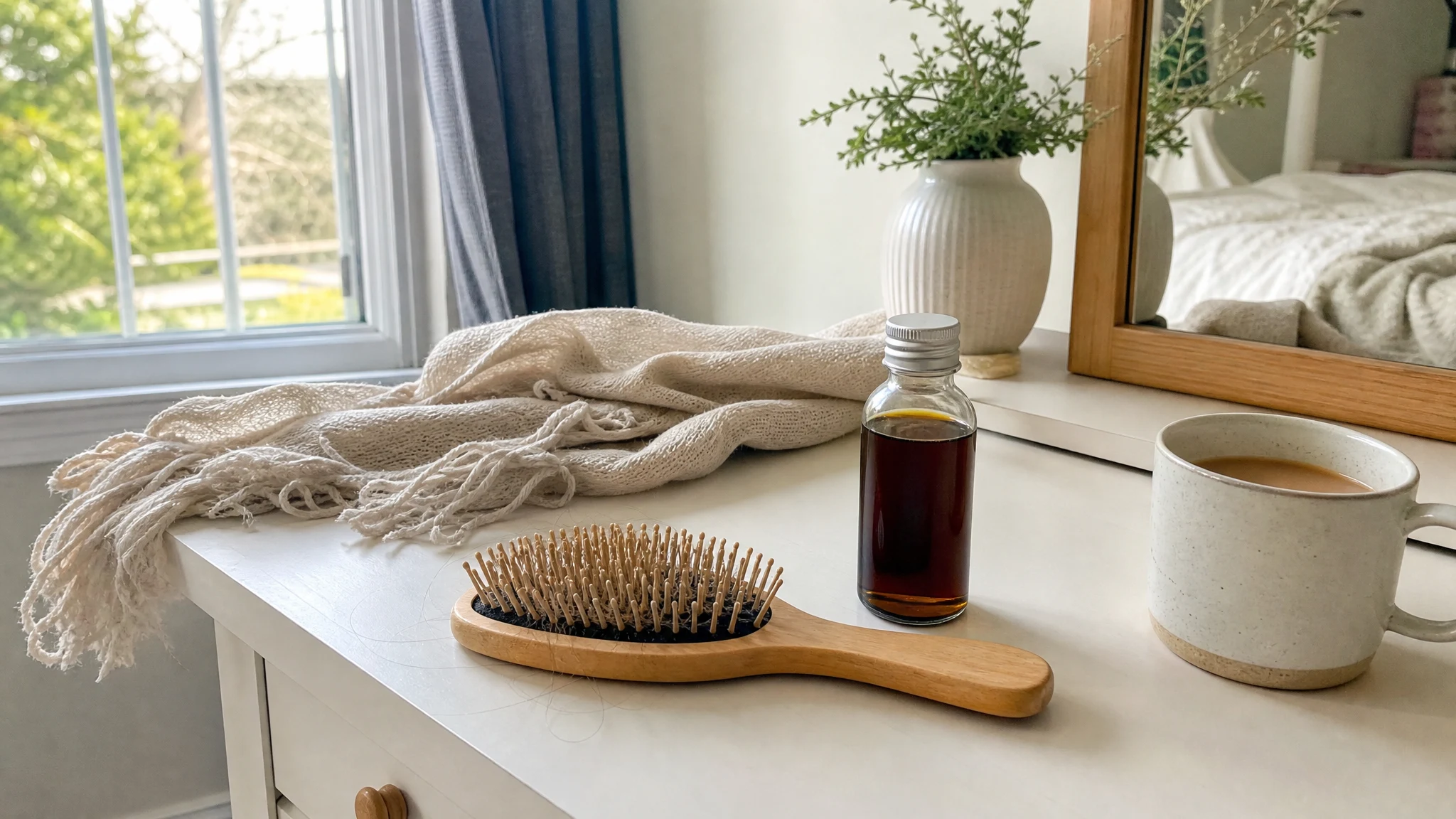
Either works. The oil spreads more easily along a part line, while the butter is thicker and sits where you put it, which is useful if you tend to end up with oil running down your neck. Whichever you pick, warm it first; a cool, stiff product is harder to spread thinly, and thin is the goal.
Not every day
This is a treat for the scalp, not a daily ritual. Once or twice a week is plenty for most people, and an oil left on the scalp day after day can build up, leaving hair limp and needing more frequent washing. If you notice it weighing hair down, use even less or shorten the time before washing.
Getting it back out
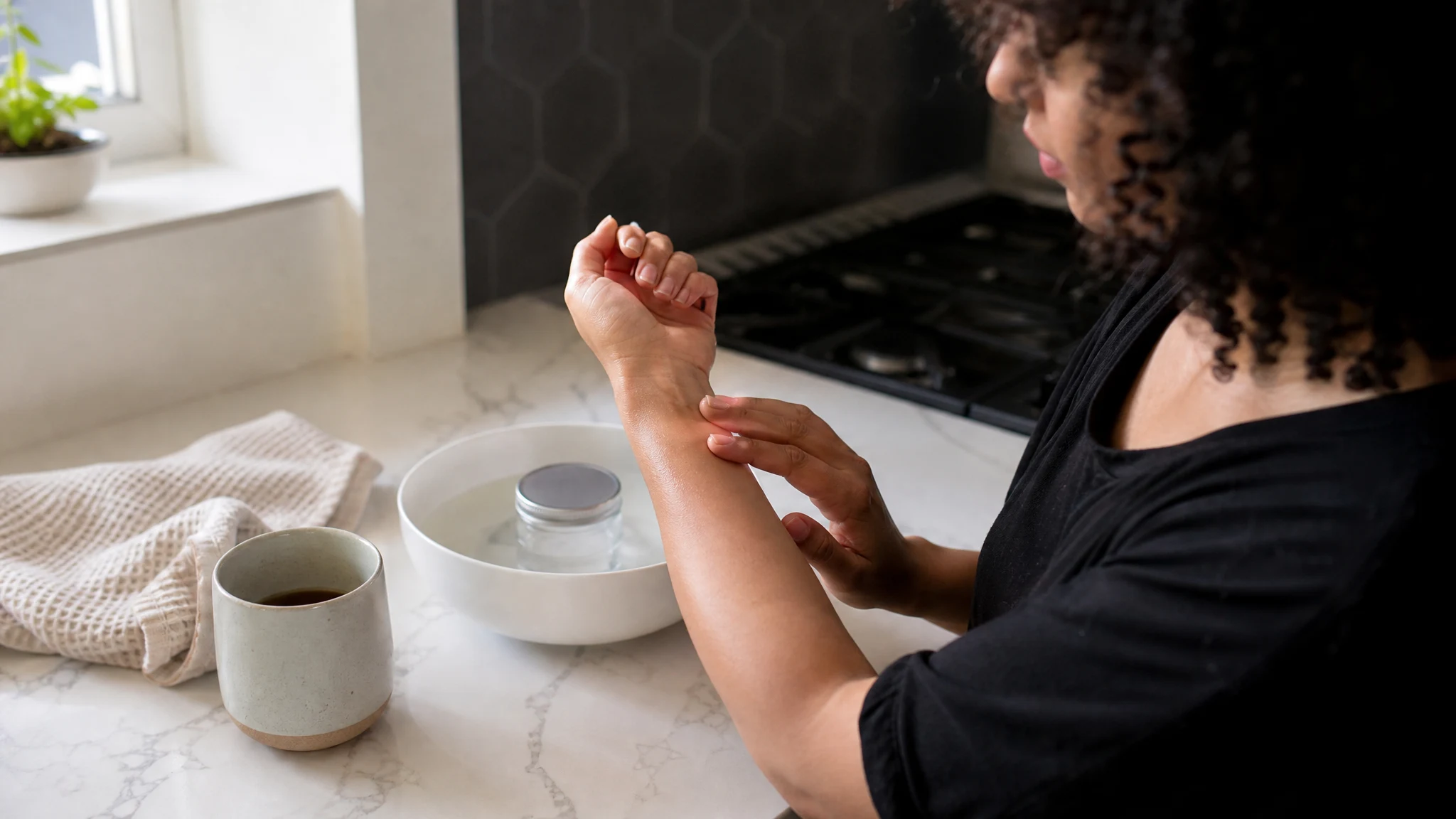
Oil does not rinse out with water alone. Wet your hair thoroughly first, apply shampoo to the scalp, and massage for a minute before rinsing, repeating if hair still feels coated. Our wash-out guide has more detail. For a first try, do a patch test as in our patch test guide, and read our safety overview if you have sensitive skin. Skin and hair vary from person to person, and the oil is for external use only. See our hair guide for the rest.
Seasons matter too. Dry winter air and long hot showers are common reasons a scalp feels tight, so it is worth trying a lukewarm rinse and a humidifier before changing anything else. Think of the oil as one small comfort among several, not a fix on its own.
Often, a gentler shampoo, cooler water and a little moisture are all a dry scalp is asking for.
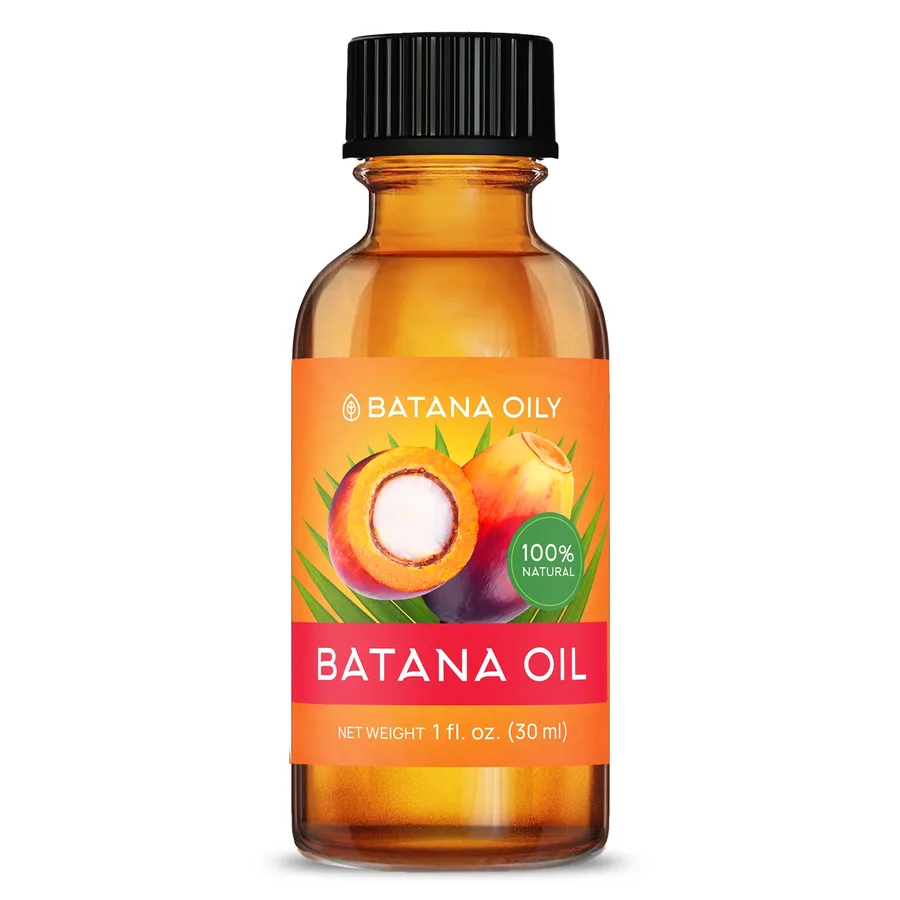
Natural Batana Oil
Honduran batana oil and batana butter, from a small bottle to bulk sizes.
From $12.99
Shop Batana Oil →Sources & Further Reading
- Is your dry scalp something more serious? (American Academy of Dermatology)