Does Batana Oil Expire? Storage That Matters
Every oil has a clock, and the clock is chemical. Plant oils do not spoil the way milk does, with a sudden turn you can see. They drift, slowly, as oxygen works on their fats, and the first sign is usually not a look but a smell. Knowing how that drift works makes storing batana oil a simple matter of three habits.
What is actually happening inside the jar
The fat molecules in any oil can react with oxygen over time. That reaction, oxidation, is what people mean by rancidity. Heat speeds it up, light speeds it up, and more air in contact with the oil speeds it up. A 2026 study that stored a plant seed oil under different conditions found just that: cooler storage slowed the rise in oxidation markers, prolonged light exposure accelerated rancidity, and oil in glass bottles held up better than oil in plastic bottles or iron cans. The best result came from the combination of cold, glass and darkness.
Oils differ in how fast this happens. Oils rich in polyunsaturated fats go off faster. Palm-family oils start with an advantage: the palm oil literature describes them as having high oxidative stability thanks to their fatty acid mix. A Brazilian study of the American oil palm that gave batana its botanical name, Elaeis oleifera, opened by noting that it is known for slower deterioration of its fruit oil than the African palm, though that finding concerns fruit and oil in the field and lab, not a particular jar on a shelf.
We do not print a best-by date for you here and we are not going to guess one. How long any individual jar stays pleasant depends on how it has been kept, and that is the part you control.
Three habits that do the work
- Keep it cool and dark. A cupboard away from the stove, the hair dryer and the sunny windowsill is the whole recipe. University of Maine Cooperative Extension gives the same advice for cooking oils generally: a cool, dark place helps keep fats from going rancid. The bathroom shelf next to a hot shower is the one spot in the house we would avoid, since it swings between warm and humid several times a day.
- Keep it closed. Every time the lid is off, a little fresh air gets in. Screw the cap back on right after you pour, and if you are working from a larger container, a smaller jar for everyday use means the main supply is opened less often.
- Keep it clean. Use dry hands or a clean spoon or spatula, and never dip a used finger back into the jar. This is simple reasoning, not a lab finding: water, hair product and bits of skin do not belong in an oil, and a clean jar stays that way.
Our Natural Batana Butter is the thicker form of our oil, and the same three habits apply to it. Because it is less likely to drip or spill, a clean spatula is an easy habit with it.
How to tell when an oil has turned
Trust your nose first. University of Maine Cooperative Extension notes that rancid vegetable oil may smell slightly off yet look no different, so a clear, normal-looking jar tells you very little. Compare the smell with what you remember when you first opened it. Batana oil starts out with a toasty, earthy, nutty aroma, and our guide to why batana oil is dark and smells toasty goes into where that comes from. A turned oil usually smells different in kind rather than just stronger: sharp, stale, like old crayons or putty, or like nuts left too long in a pantry.
A few other cues are worth a glance. A noticeably different texture that is not just the cold (see why batana oil goes grainy or solid) or a jar that has sat in the sun for a summer are reasons to hold off. If the smell is off, do not put it on your skin or hair. Throw it out, and if you are unsure about a jar of ours, you can write to us through our contact page.
It helps to remember that grainy or firm is not the same as rancid. Setting up from cold is a physical change in how the fats arrange themselves, while rancidity is a chemical change in the fats themselves. The first reverses with gentle warmth. The second does not.
Why a little care goes a long way
The charm of a plant oil like this is that it asks so little: a cupboard, a lid, a clean hand. Buy a size you will realistically use in a reasonable stretch of time, since a smaller jar opened often with the same care is easier to keep fresh than a very large one opened rarely. If you are buying in bulk for a business, our guide to buying batana oil in bulk covers that planning in more detail.
Keep the jar cool, dark and closed, trust your nose, and your batana oil will be exactly what it is meant to be every time you open it.
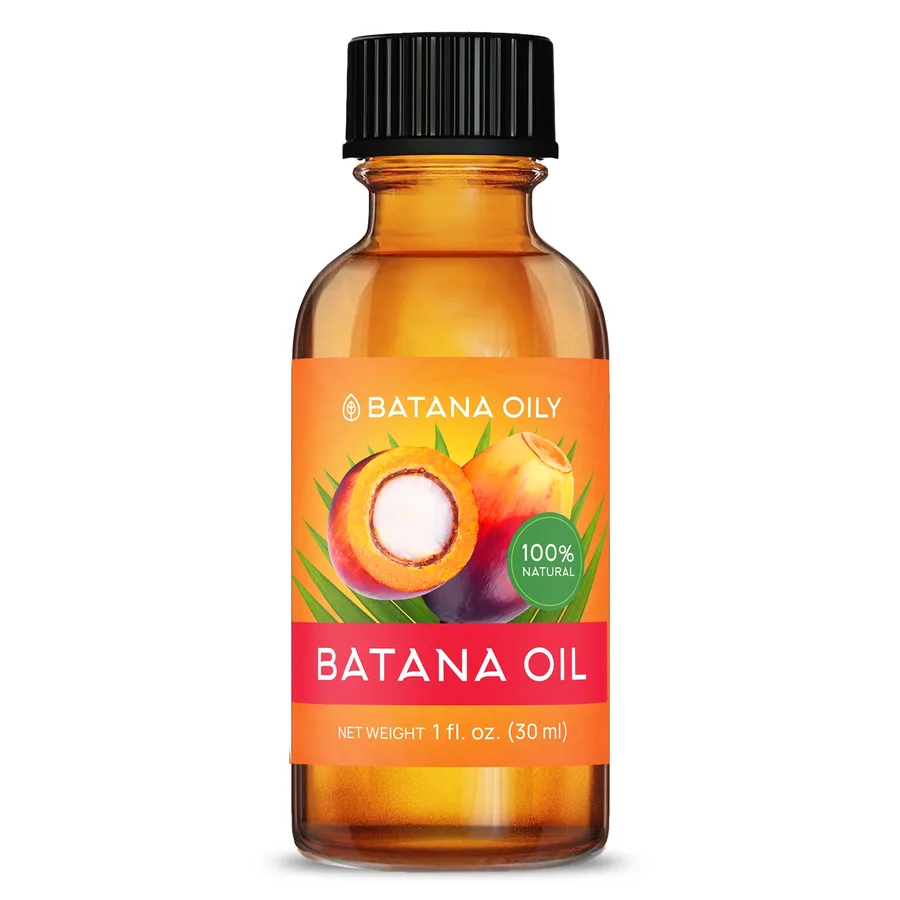
Natural Batana Oil
Honduran batana oil and batana butter, from a small bottle to bulk sizes.
From $12.99
Shop Batana Oil →Sources & Further Reading
- Evaluation of Quality Changes in Huajiao Seed Oil During Different Storage Conditions. Foods (2026). (Temperature, light and packaging effects on oxidation of a plant oil.)
- University of Maine Cooperative Extension. Bulletin #4385, Safe Homemade Flavored and Infused Oils. (Cool, dark storage; rancid oil may smell off yet look unchanged.)
- Current Knowledge on Interspecific Hybrid Palm Oils as Food and Food Ingredient. Foods 9(5):631 (2020). (Oxidative stability of palm oils.)
- Chemical Characterization of the American Oil Palm from the Brazilian Amazon Forest. Crop Science (2018).