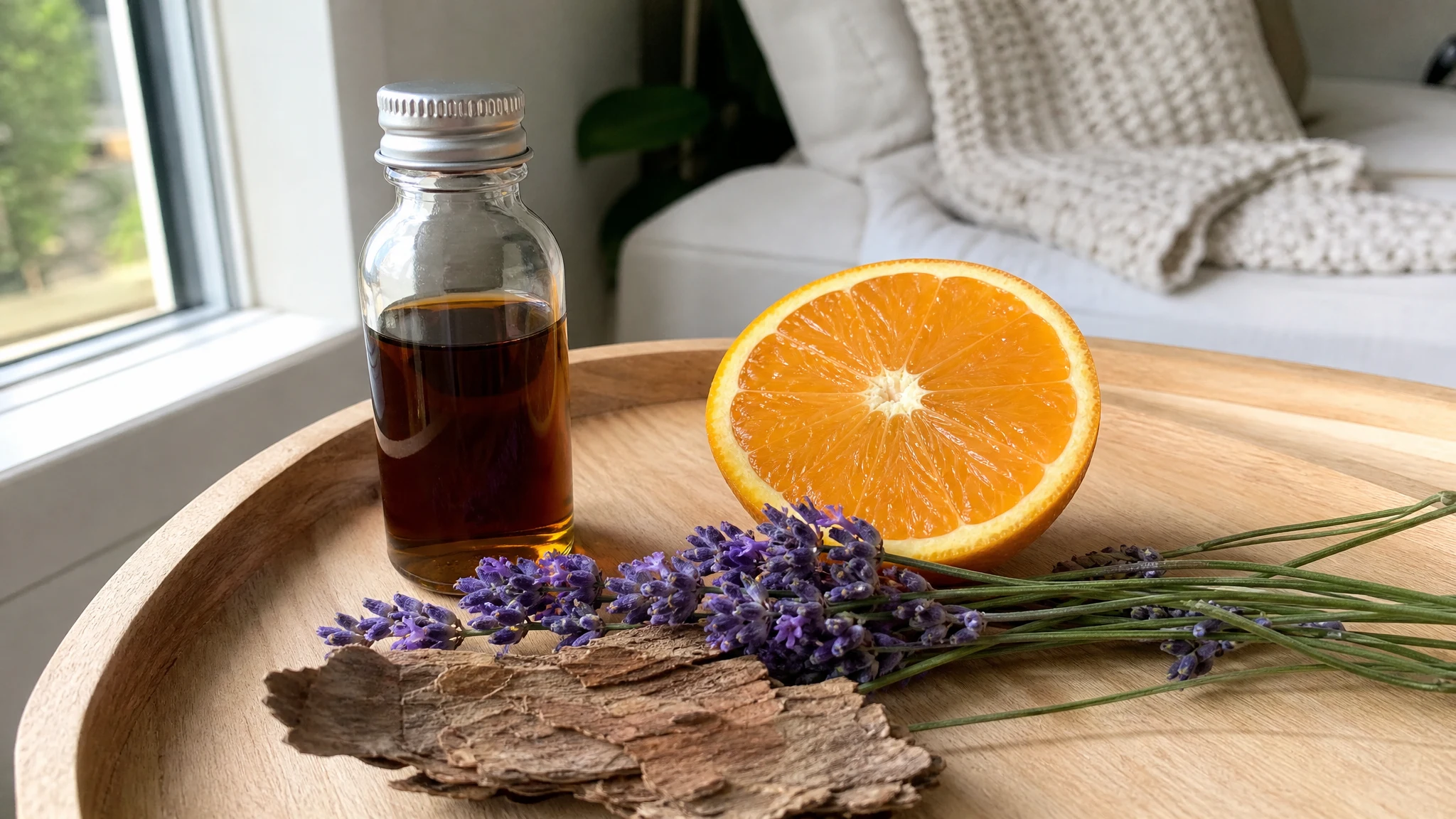
Scents to Blend With Batana Oil, and How Many Drops
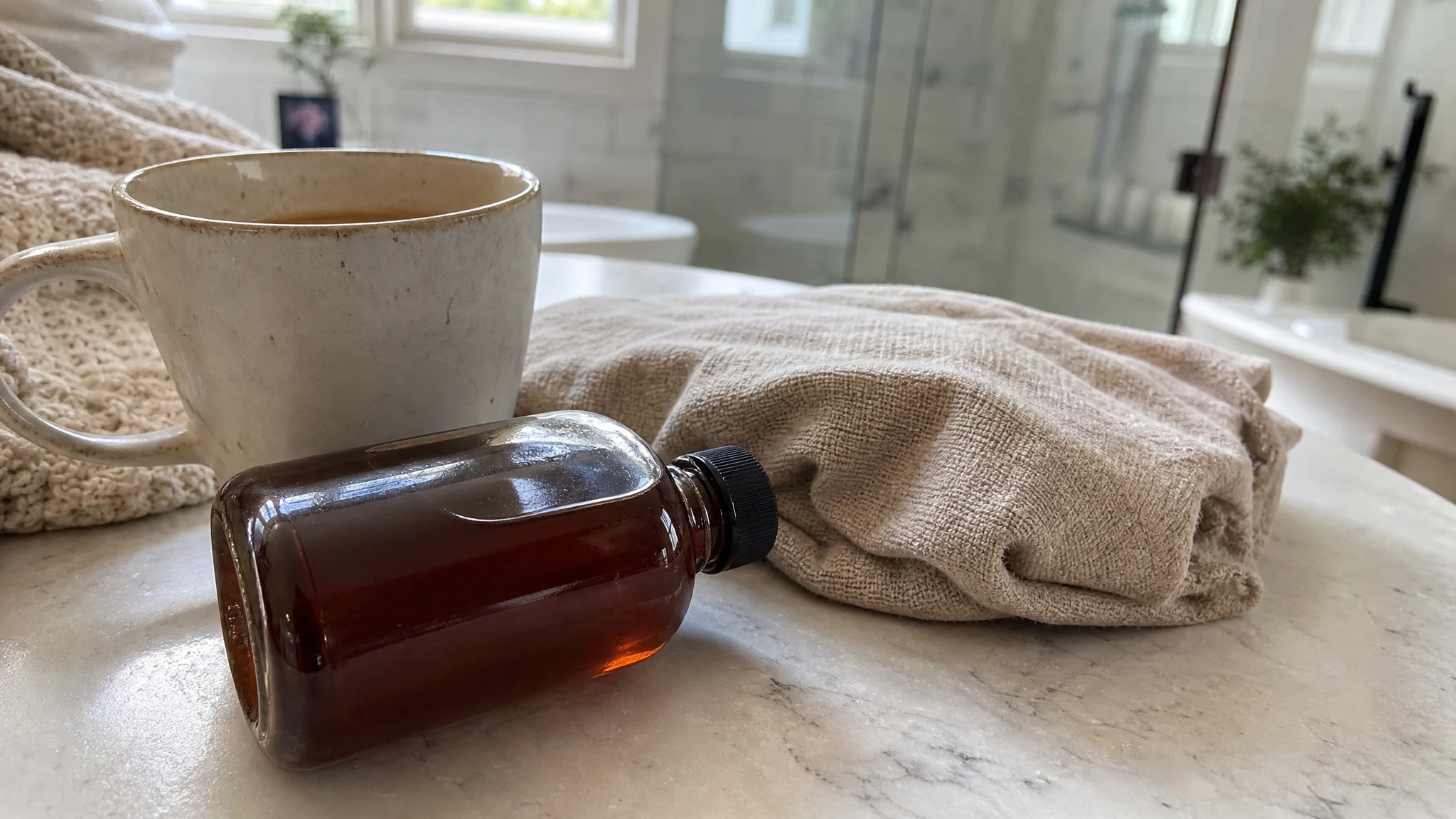
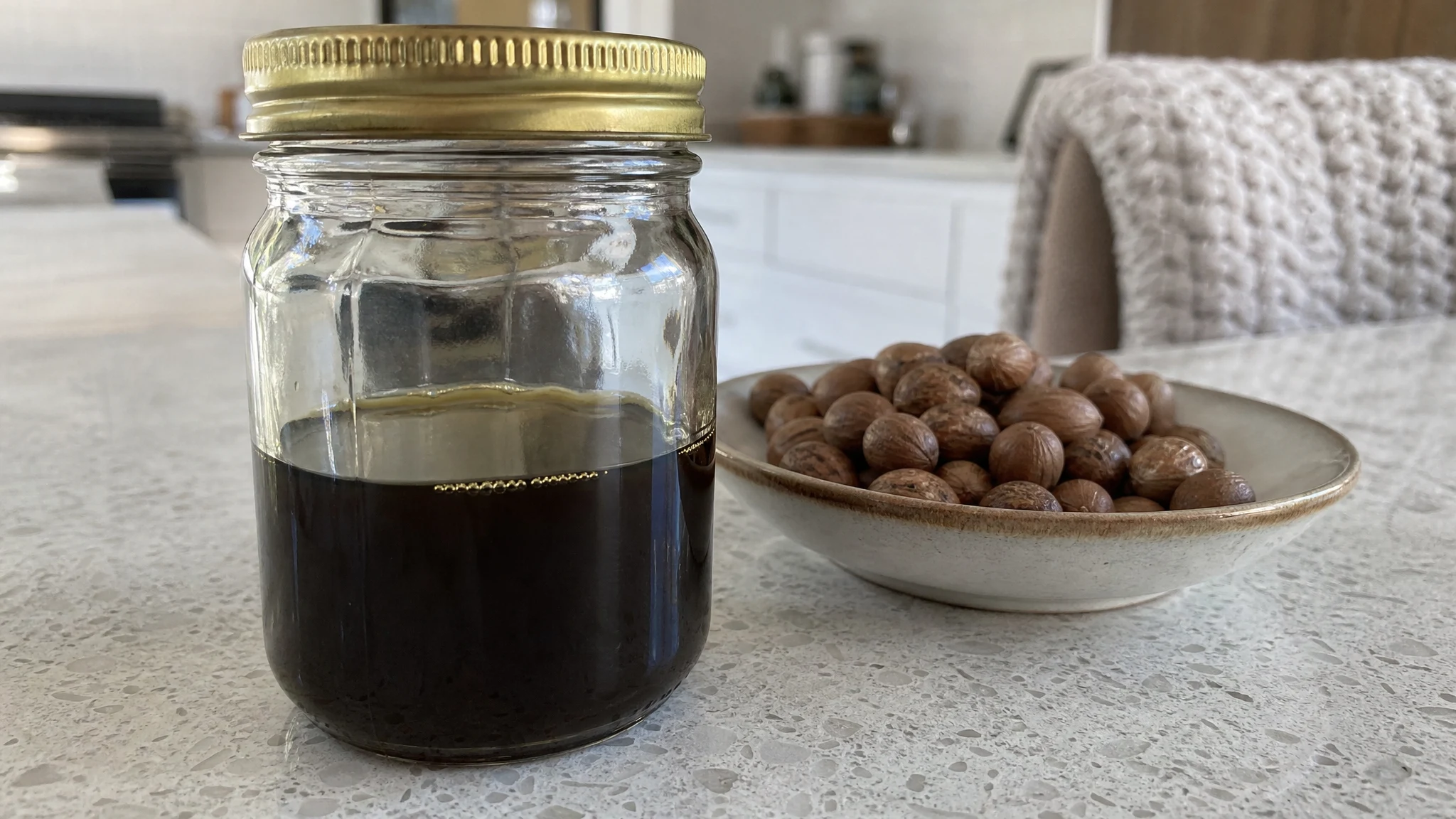
Batana oil does not smell like a spa. The traditional oil is described as toasty, nutty and earthy, sometimes a little smoky, and we call ours earthy. That is a good place to build from, because a few drops of the right essential oil can turn that warm, low note into something that smells like yours. If you are asking which one, we would start with lavender, and here is our reasoning.
Echo it or contrast it
There are really two ways to scent a toasty oil. You can echo it with something woody and warm, or you can set something bright or green against it, the way a squeeze of orange lifts a dark chocolate. Neither is wrong; it depends on whether you want a quiet blend or a lively one. Our post on why batana oil smells toasty explains where that character comes from, and it is worth reading before you reach for the bottle, because the oil's own aroma will be part of the finished blend.
Lavender: our starting point
Lavender is soft and herbal-sweet, and it takes the edge off the toast without covering it. It is also an easy oil to find, and it asks for nothing fussy. If you only buy one essential oil to try with batana, we would make it this one.
Cedarwood: the echo
Cedarwood is dry, woody and faintly sweet, so it sits alongside the smoky side of batana instead of arguing with it. Look at the plant name on the bottle, since several different trees are sold as cedarwood, and pick the one whose smell you like.
Sweet orange: the contrast
Sweet orange is the cheerful one, bright against a toasty base. One practical point: Tisserand Institute's article "Citruses: a comparison of different oils" says sweet orange is generally thought not to be phototoxic even if expressed, but that is not true of every citrus, so check that the bottle says sweet orange and not bitter orange or another citrus.
Peppermint and ylang ylang: the strong ones
Peppermint adds a cool, clean sparkle and ylang ylang adds a heavy floral sweetness. Both are strong, and both are worth using at half the strength of the others. Robert Tisserand calls ylang ylang "one of the most skin-reactive essential oils" and goes along with the 0.8 percent IFRA guideline for it, so we keep it at 0.5 percent.
The drops, worked out
We use the same arithmetic as our rosemary blending post. Dilution is the share of essential oil in the finished bottle. Tisserand Institute's "Dilution for essential oils" gives guideline ranges of 0.5 to 1.2 percent for facial products and 1 to 3 percent for body oils and lotions, and notes that conversion to drops is always approximate. Our own line for an adult blend is 0.5 to 2 percent, and we would start at the bottom of it. Assuming about 20 drops to a millilitre, a rule of thumb that varies from bottle to bottle:
| Essential oil | Strength | In 10 ml (2 teaspoons) of batana oil | In 30 ml (1 fluid ounce) |
|---|---|---|---|
| Lavender | 1% | 2 drops | 6 drops |
| Cedarwood | 1% | 2 drops | 6 drops |
| Sweet orange | 1% | 2 drops | 6 drops |
| Peppermint | 0.5% | 1 drop | 3 drops |
| Ylang ylang | 0.5% | 1 drop | 3 drops |
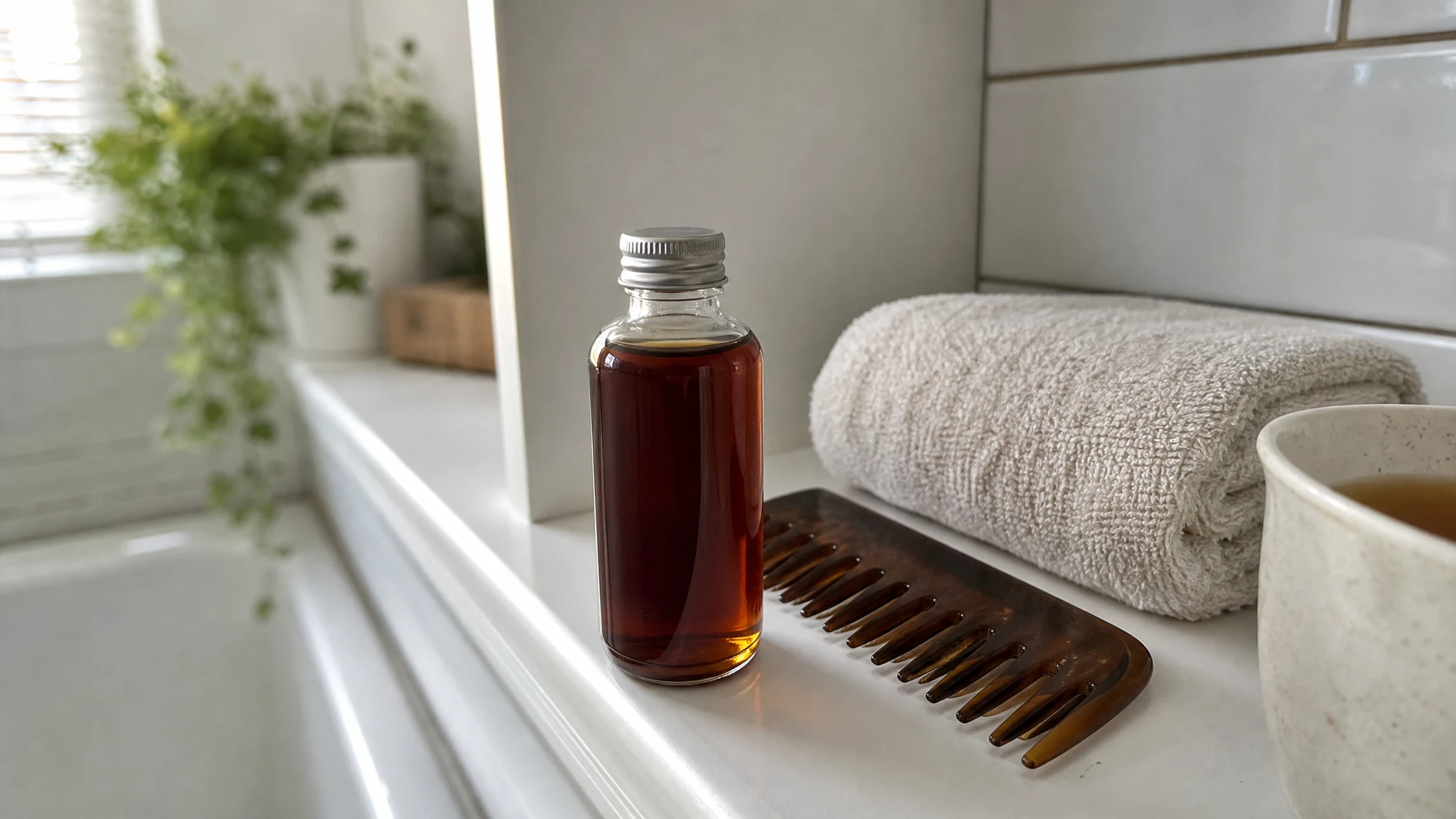
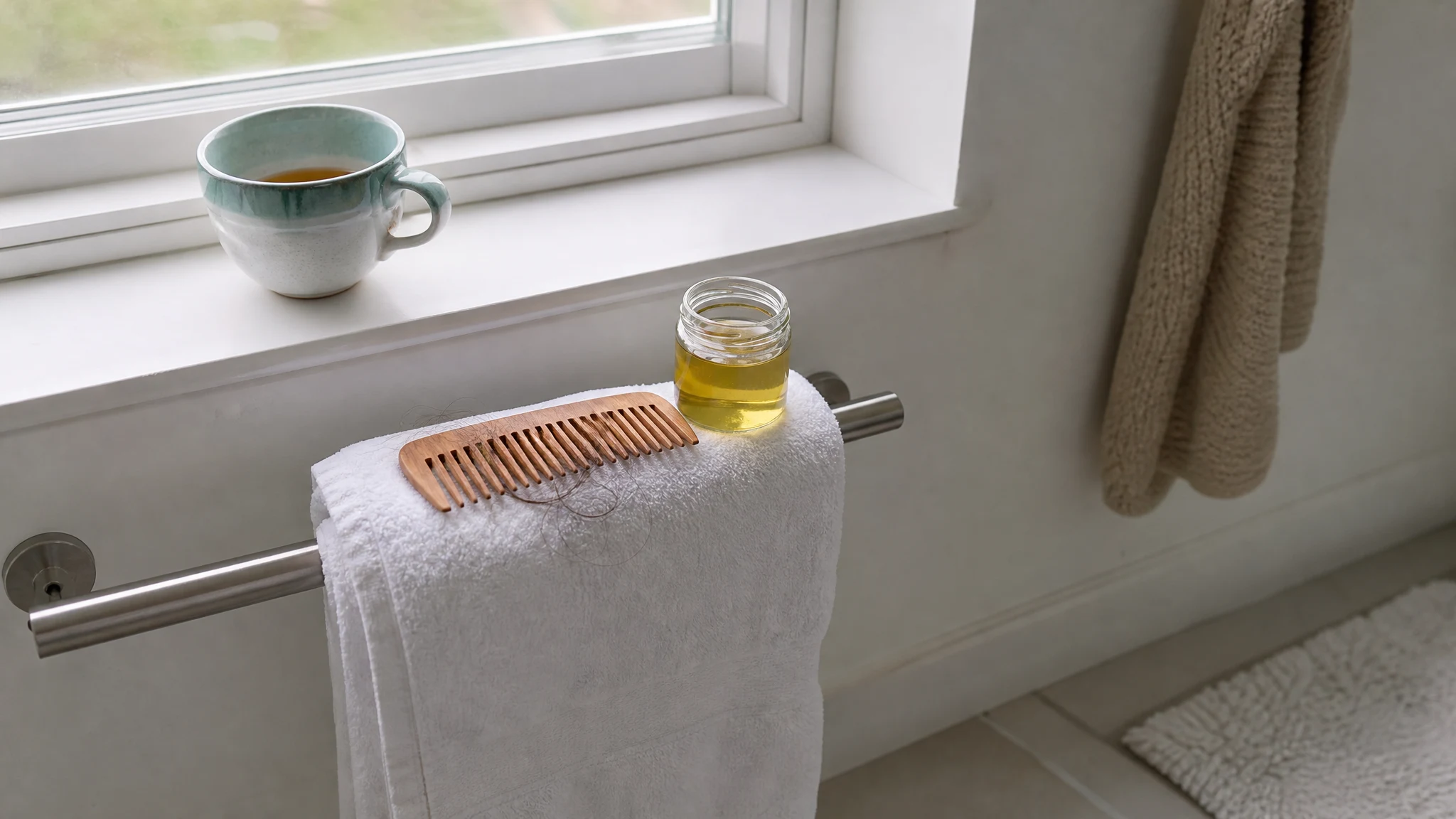
For a first bottle, make 10 ml and use one oil. Add the drops one at a time, cap it, roll it between your palms, and sniff before adding more; you can add a drop tomorrow but you cannot take one out. If you want to combine two, split the drops rather than adding both in full, so two oils at 1 percent each do not add up to 2. Write the date and the ratio on the bottle so you know what you liked.
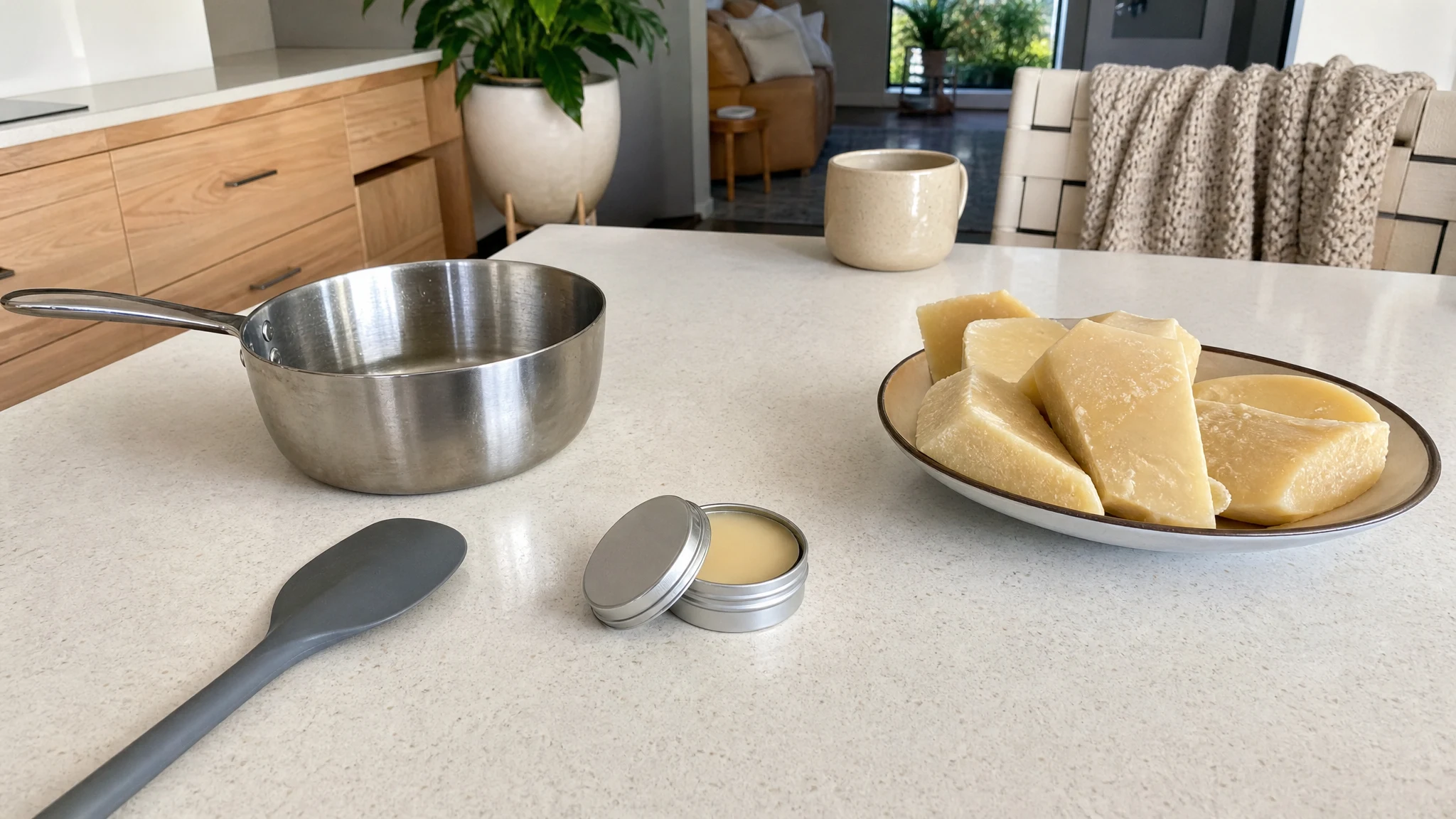
The same arithmetic works for our butter, which has the same uses in a thicker consistency, and it takes the same drops. Our oil is the thinner of the two. We do not sell essential oils; a craft supply shop or a pharmacy that stocks them will have all five, and our DIY recipes have more ideas for what to do with the finished blend.
Before you blend
Skin and hair vary from person to person, so patch test before first use, avoid eye contact, and keep the blend for external use only. If you are pregnant, ask your doctor or midwife before using any essential oil; our pregnancy and breastfeeding post has what authorities say. Tisserand Institute notes that peppermint can potentially slow breathing in small children, so we would keep it away from them and ask a pediatrician about essential oils in general. If a cat or dog lives with you, note that Pet Poison Helpline's list of oils known to poison cats includes peppermint, citrus and ylang ylang, and read our pets post first.
A scented oil is a small pleasure, and the nicest blend is usually the simplest: one oil, a few careful drops, and a bottle that smells exactly the way you hoped.
Natural Batana Oil
Honduran batana oil and batana butter, from a small bottle to bulk sizes.
From $12.99
Shop Batana Oil →Sources & Further Reading
- Dilution for essential oils, Tisserand Institute
- Citruses: a comparison of different oils, Tisserand Institute
- Q&A: Ylang-ylang safety in perfume, Robert Tisserand
- Peppermint and Eucalyptus for children, Tisserand Institute
- Updates on Essential Oils, Kia Benson, DVM, Pet Poison Helpline