Batana Oil vs Avocado Oil: Which Suits Dry Hair?
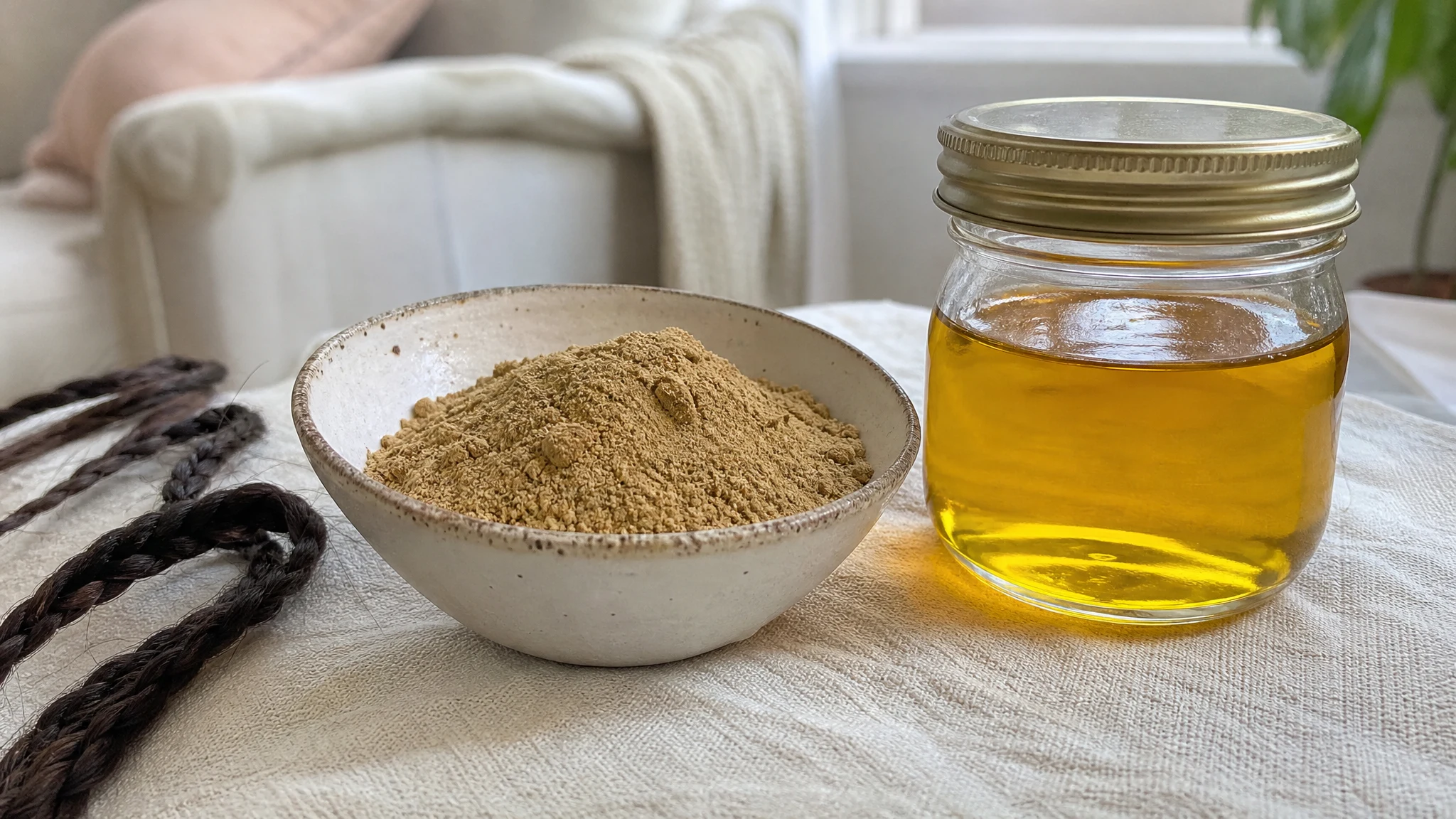
Avocado oil is the only oil in this family that can arrive emerald green. Batana comes from a palm nut and avocado from the soft flesh of a fruit, and that difference in origin explains most of what separates them on a shelf, in a shower and in a long-term routine.
Green, gold or nearly clear
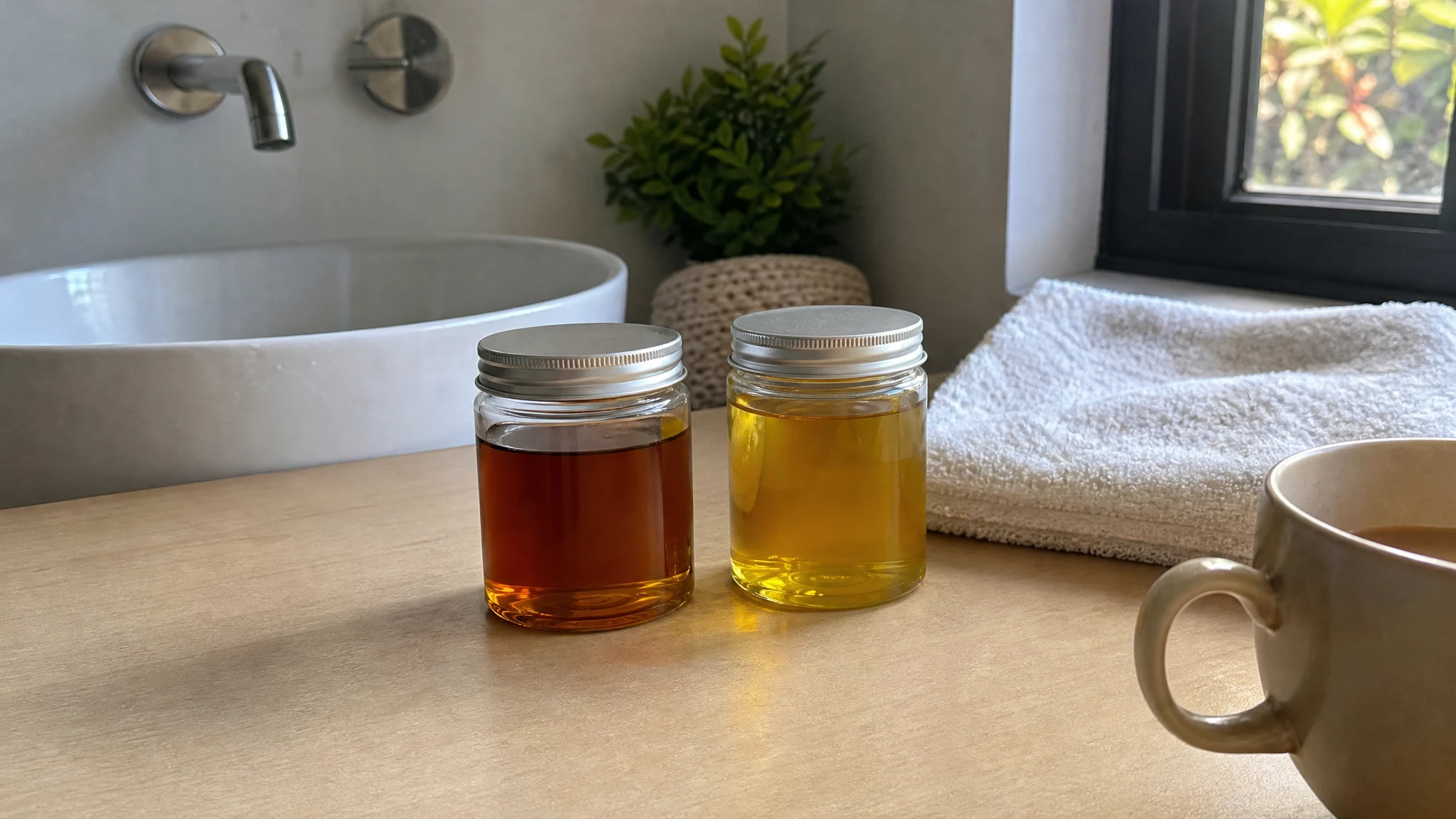
A 2016 review of avocado oil extraction explains the green: crude, virgin avocado oil carries a lot of chlorophyll, which gives it that colour. A 2019 review adds a detail worth knowing: there is no international standard for avocado oil, so one bottle can be a virgin oil extracted without solvents below 50 degrees Celsius while another is a bleached and deodorized refined oil. Colour and aroma therefore tell you which kind you have. The refined bottle is deodorized by definition and smells of very little. Our batana oil has an earthy aroma, which is something you will notice, so decide whether that suits you before choosing.
A fruit oil and a kernel oil
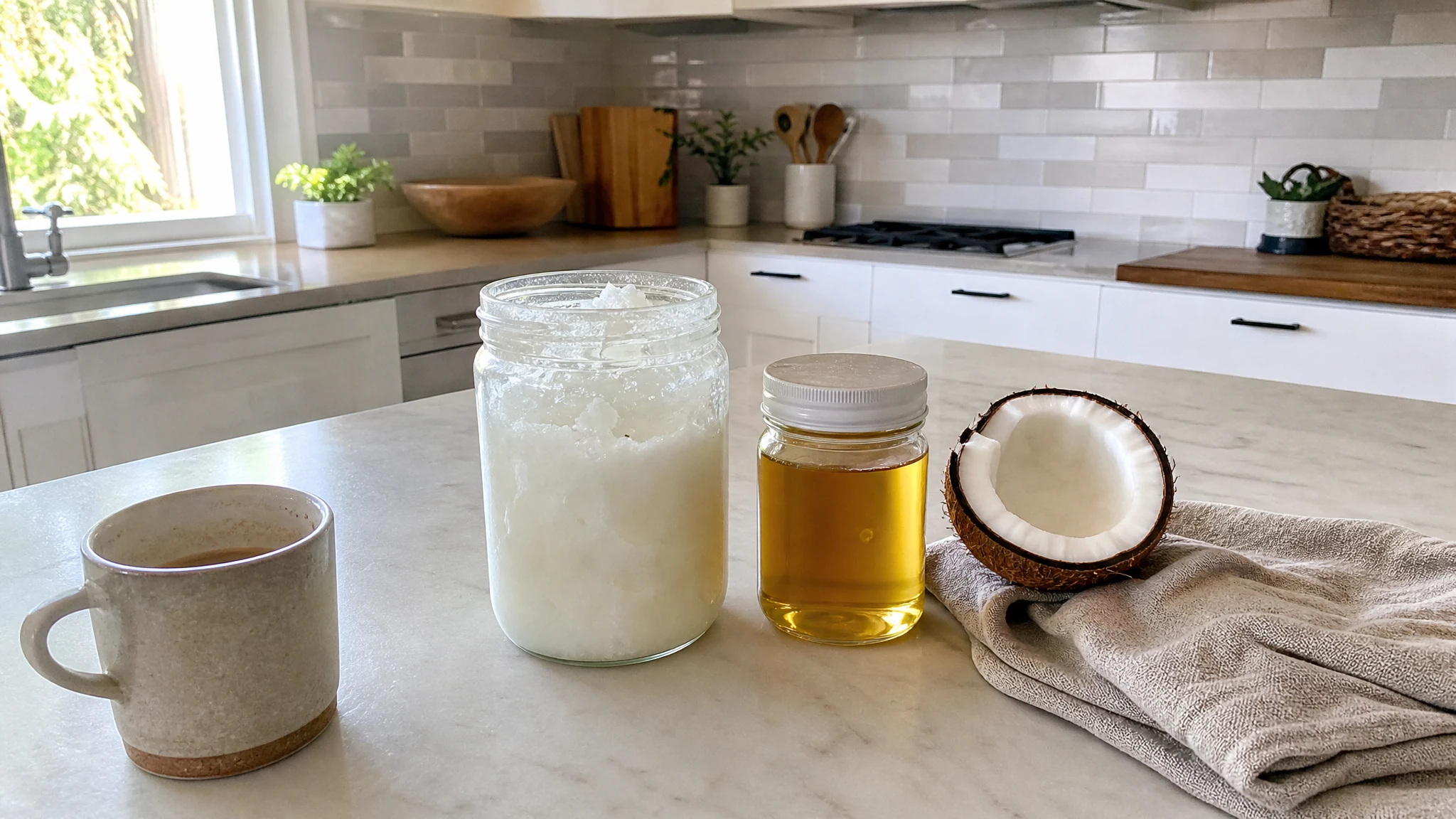
For Hass avocados, the 2019 review reports oleic acid at 42 to 51 percent and palmitic acid at 20 to 25 percent. Palmitic is a saturated fatty acid, so avocado oil is a blend of an unsaturated and a saturated fat, with oleic leading. Batana comes from the nuts of the American oil palm, Elaeis oleifera, and a 2017 analysis found that the main kernel fatty acids in that species were lauric, myristic and oleic acid. Both oils, then, mix oleic acid with saturated fats, but batana's saturated share leans on lauric and myristic acids, which are shorter than avocado's palmitic.
We do not publish a profile for our own jar, so this compares the plants. Reasoning from it, we would call avocado oil the more moderate oil of the two and batana the denser, richer one, and we think of our butter as the thicker form of batana. That is an editorial read of the chemistry, not a measurement, and no head-to-head study of the two on hair exists that we know of.
Dry hair versus low porosity
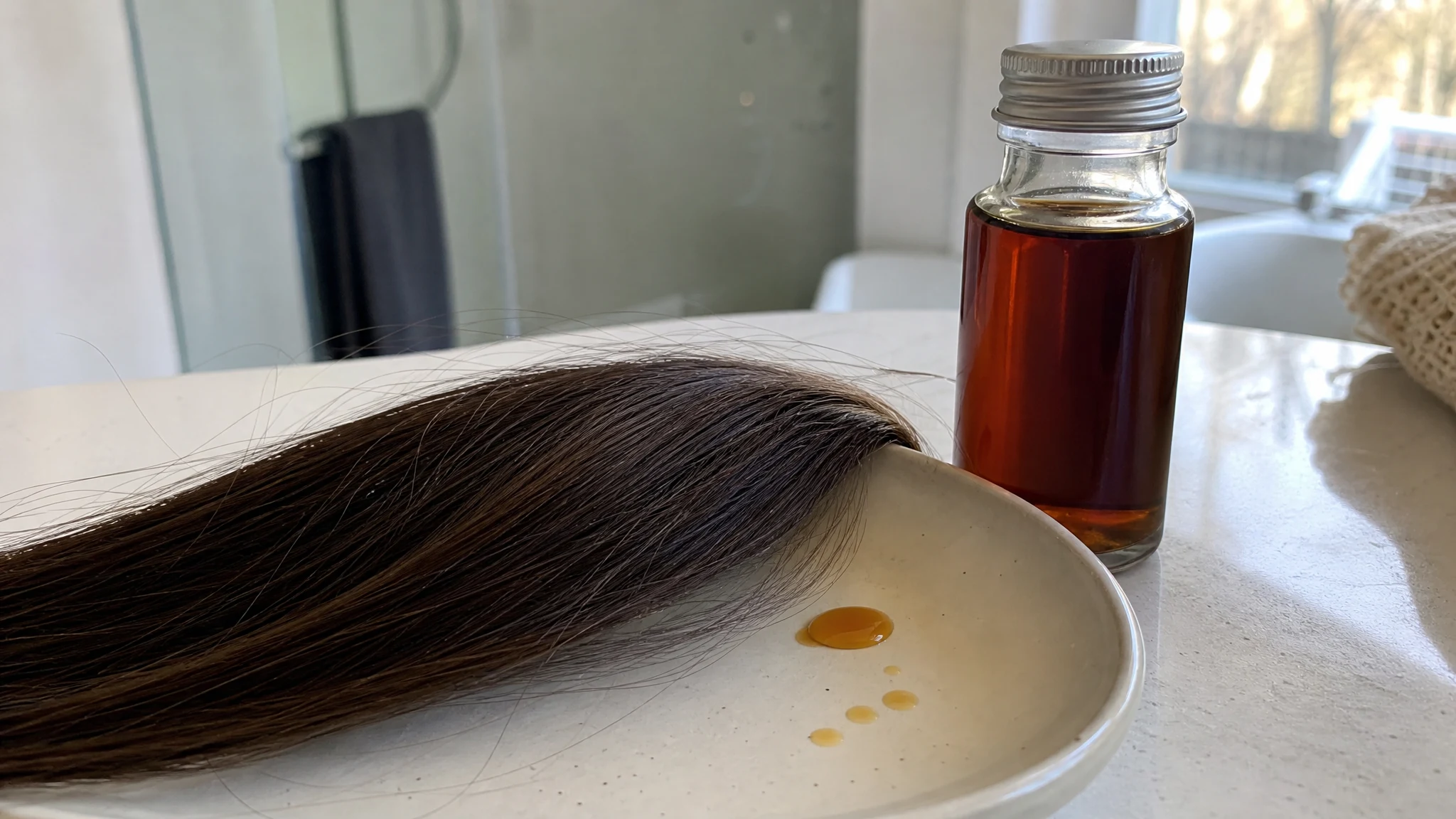
Porosity is the real dividing line. Hair that is bleached or chemically treated is more porous and takes up conditioning ingredients more readily, according to the hair-science review we lean on, and that hair tends to be the dry kind. Low porosity hair is the opposite: the cuticle lies flat, and products tend to sit on the outside.
- Dry, porous or treated hair: this hair can take the richer oil, so batana before a wash is a natural fit. Avocado oil, used by the drop on the ends of dry hair, is a lighter leave-in option.
- Low porosity hair: use either one sparingly. A single warmed drop on damp hair, kept to the ends, is a better place to start than a palmful, and our low porosity guide walks through it step by step. Leave-on products can build up on hair, so an occasional clarifying wash is a sensible reset.
If you only want one oil and your hair is low porosity, we would reach for the more moderate avocado oil as the leave-in and keep batana for a small pre-wash. If your hair is dry and thirsty, batana is the oil we would give the bigger job.
Keeping either one fresh
All plant oils oxidize slowly. In avocado oil, the same chlorophyll that makes it green is a stability factor: it photo-oxidizes when exposed to light and oxygen, which is why a green bottle belongs in a cupboard and not on a bright windowsill. University of Maine Cooperative Extension gives the general advice for oils, which is a cool, dark place. We cover the three simple habits for batana in our storage guide, and they work for an avocado bottle too.
If you are weighing more than two oils, our comparison of hair oils places both in a wider lineup.
We do not sell avocado oil, which is at the grocery store or a craft supply shop. If you want to try the richer one, our oil and butter are on the shop page. Skin and hair vary from person to person, so patch test before first use and avoid your eyes.
Think of avocado as the easygoing everyday oil and batana as the one you reach for when hair is thirsty.
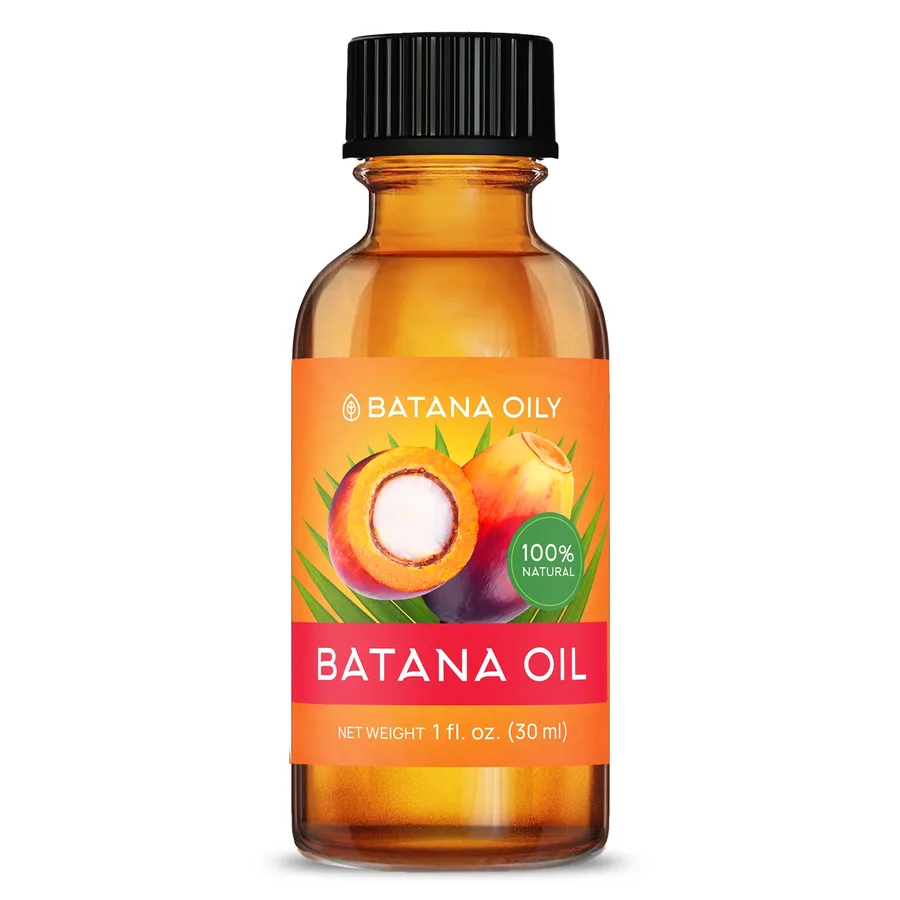
Natural Batana Oil
Honduran batana oil and batana butter, from a small bottle to bulk sizes.
From $12.99
Shop Batana Oil →Sources & Further Reading
- Avocado Oil: Characteristics, Properties, and Applications (Molecules, 2019).
- A Review of Extraction Techniques for Avocado Oil (Journal of Oleo Science, 2016).
- Characterization of Mesocarp and Kernel Lipids from Elaeis guineensis Jacq., Elaeis oleifera [Kunth] Cortés, and Their Interspecific Hybrids (Journal of Agricultural and Food Chemistry, 2017).
- Hair Cosmetics: An Overview (International Journal of Trichology, 2015).
- Bulletin #4385, Safe Homemade Flavored and Infused Oils (University of Maine Cooperative Extension).