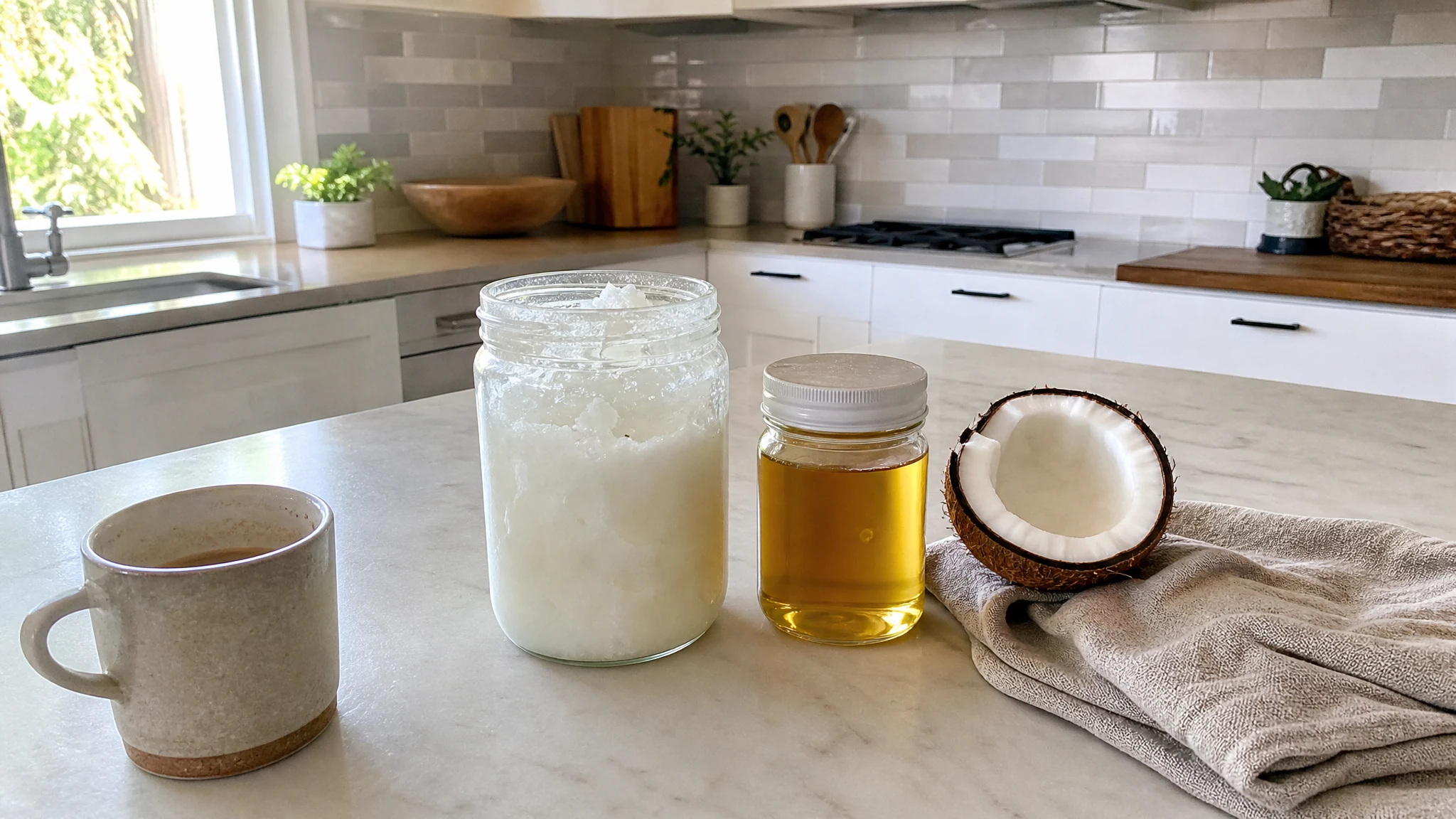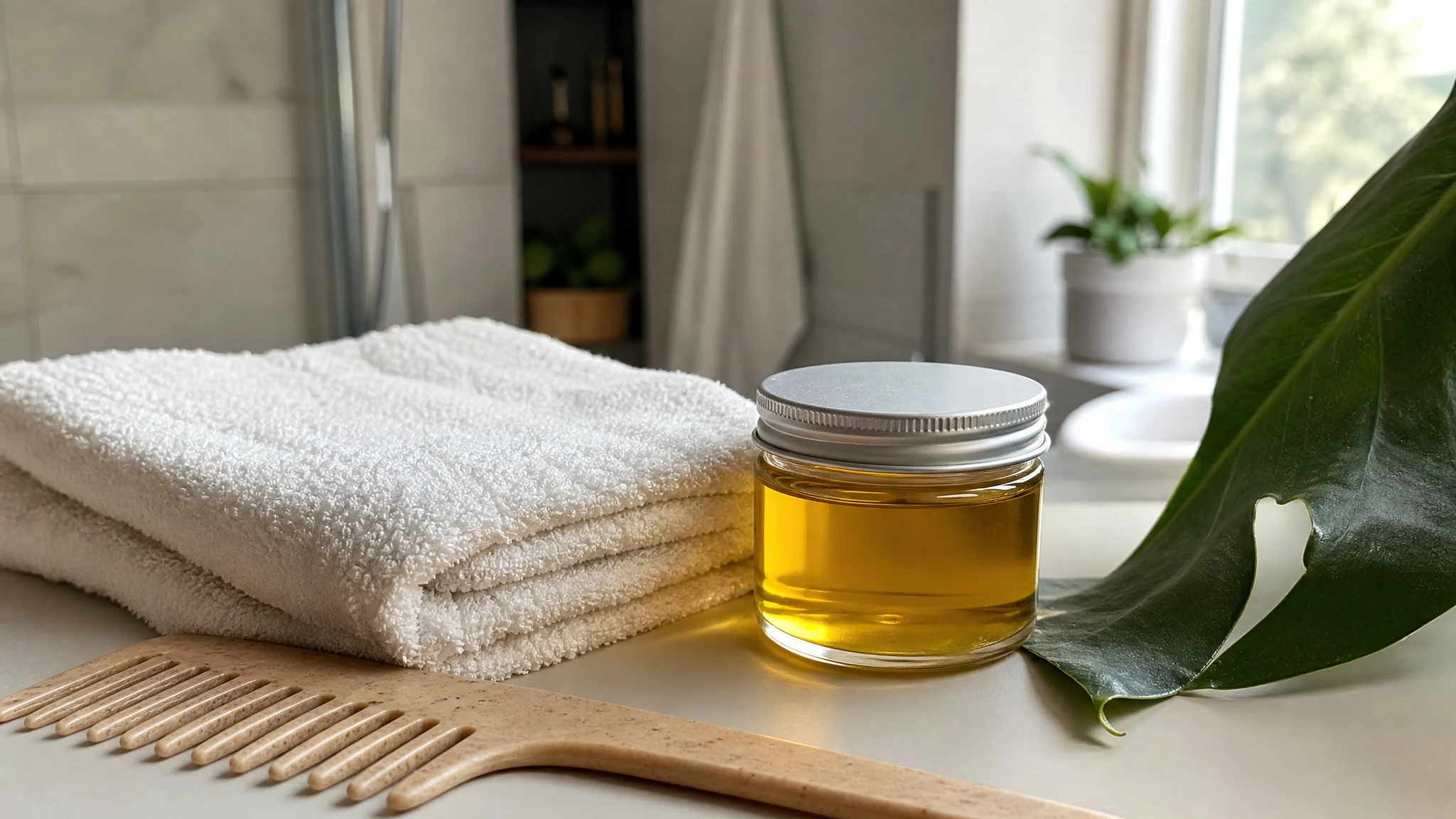
Batana Oil vs Black Seed Oil: Two Very Different Jars
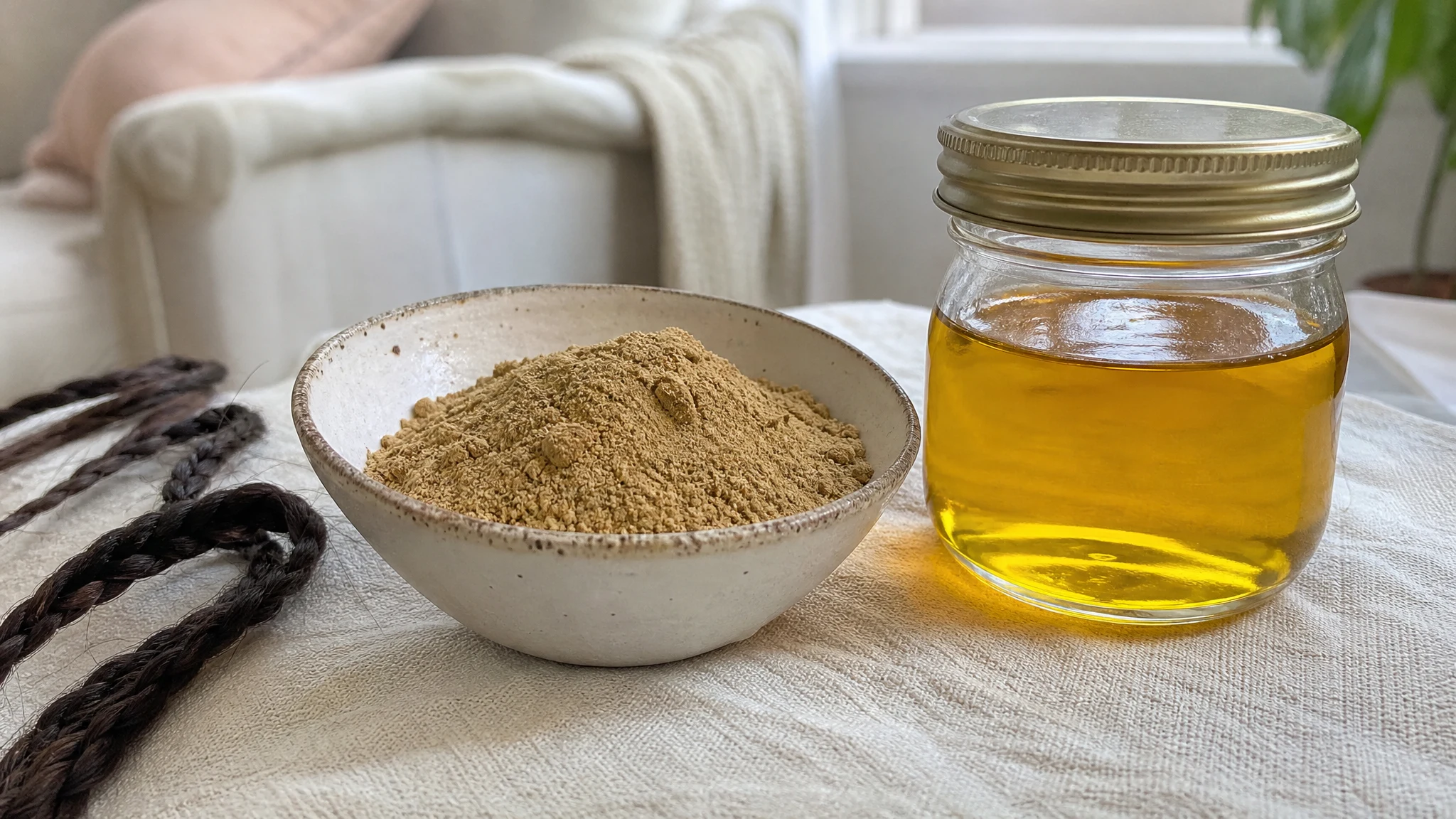
Put a bottle of black seed oil next to a jar of batana oil and you will not mistake one for the other. They turn up in the same searches for natural hair oils, but they come from different plants, sit in different parts of the kitchen cupboard and ask different things of your routine. Here is how we would tell them apart, and how we would choose.
A spice seed and a palm nut
Black seed oil is pressed from the seeds of Nigella sativa, the plant behind the little black seeds sprinkled on flatbreads. It has a long traditional life in Ayurvedic and Unani medicine and in cooking, which a 2025 review in Food Science & Nutrition sets out. We mention the tradition because it is part of the oil's story, not because it says anything about what a bottle will do on your hair.
Batana oil is a different story from a different continent. Ours comes from the nuts of the American oil palm, Elaeis oleifera, in Honduras, where the oil is traditionally extracted by indigenous communities; our page on the plant tells it properly. One is a seed from the spice family. The other is a palm nut. Everything else follows from that.
Different fats, different feel
Oils are mostly fatty acids, and the mix is what makes one feel light and another feel like a hug. In pressed black cumin oils from Egypt, Ethiopia and Syria, a 2024 study in Molecules found linoleic acid made up about three fifths of the fatty acids, with oleic acid at roughly a fifth. The kernels of the American oil palm sit in another family: a 2017 comparison of palm lipids found lauric, myristic and oleic acid leading, with more long-chain unsaturated fatty acids than the African palm. We have also written about this in what batana oil is made of.
What that means at the bathroom shelf is a judgment, and ours is this: expect two oils that do not feel alike, and judge each by how it leaves your own hair. Our oil has an earthy aroma, and our butter is the thicker form for anyone who wants something that stays put. Black seed oil, being full of terpenes and thymoquinone (the compounds analyzed in the papers below), is one we would expect to smell like the spice cabinet it grew up next to. If you want a gentle, background scent, that matters more than any chemistry table.
How each one fits a routine
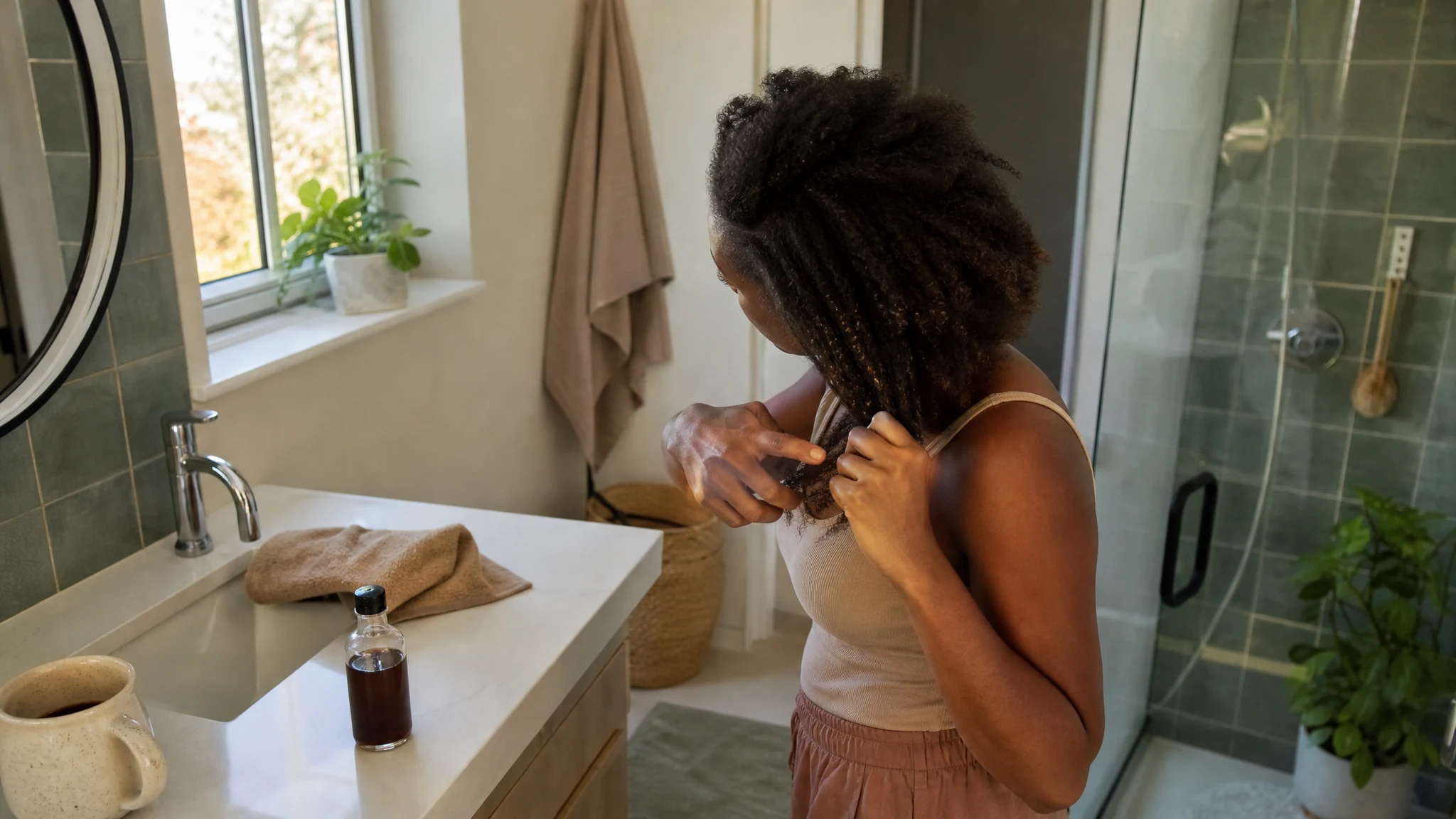
This is where we would let your habits decide. Batana oil suits people who like a rich pre-wash ritual or a small amount smoothed over dry ends; our how-to guide covers amounts and washing out, and our castor oil comparison shows what a thicker oil asks of wash day. Black seed oil tends to be sold in small bottles and used in small amounts, so if you already own one, a dab on the ends is the natural place to start. Neither wants a heavy hand; fine hair will tell you quickly if you have used too much.
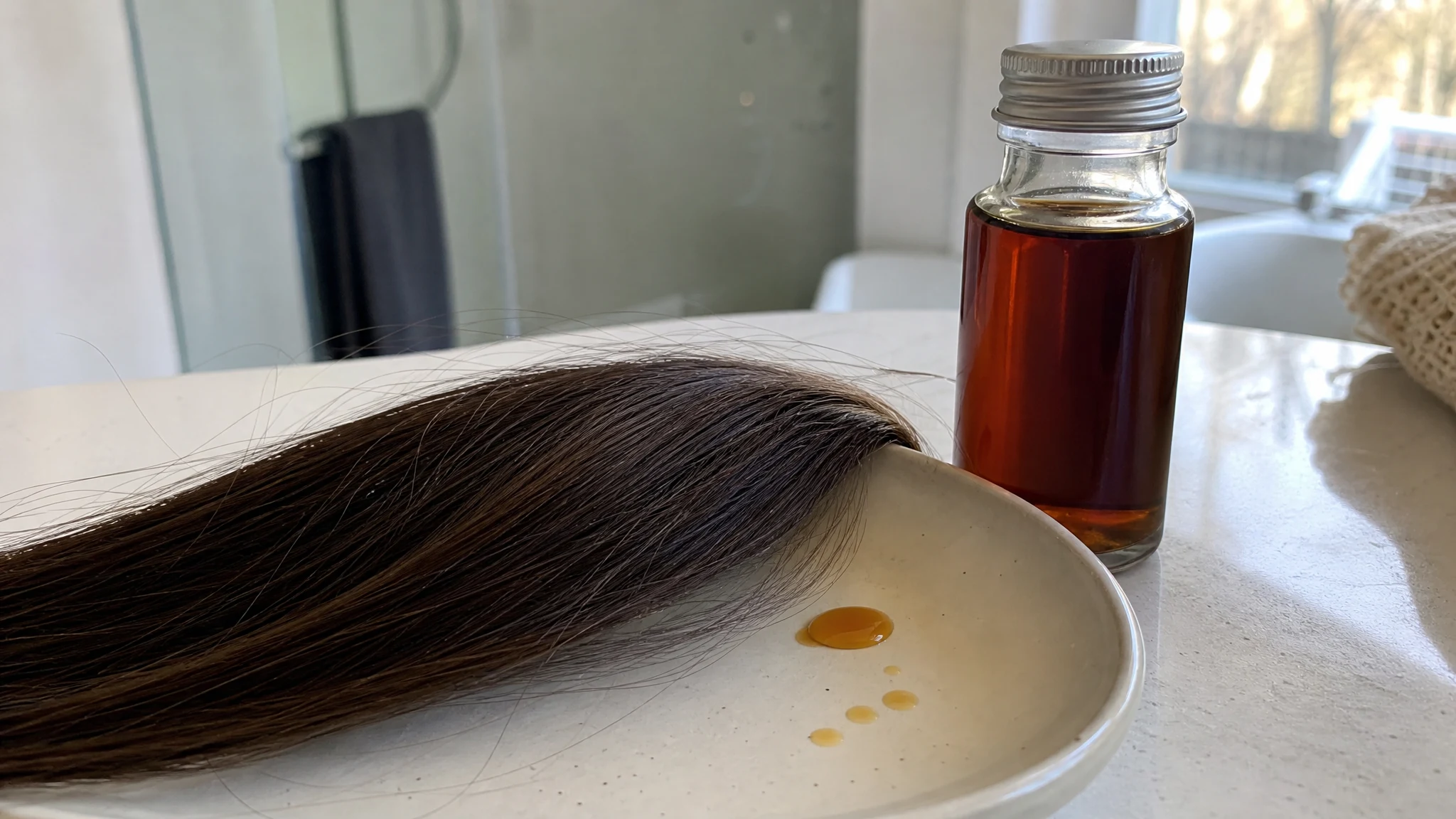
We make no promises about either oil beyond how they feel and look on hair: softer, smoother, a little shine. That is what we sell ours for, and it is enough to build a routine around.
The black seed patch test is not optional
Any new oil deserves a patch test, and our patch test guide walks through it. Black seed oil has earned a firmer version of that advice. Dermatology journals have published reports of strong skin reactions to the oil: a three-woman case series in JAMA Dermatology where patch tests with each woman's own oil came back positive; a woman who used it daily on her whole body and developed a systemic reaction about a week later; and a 2024 roundup of eight cases whose authors urge patch testing and a careful history of what people have put on their skin. These are case reports, so they tell us the reaction is real and uncommon enough to be written up, not how often it happens.
The papers do not say that diluting the oil prevents these reactions, so we will not claim it does. What they do say is to test first. The American Academy of Dermatology describes a simple version: a quarter-sized spot on the inner forearm, the amount you would normally use, twice a day for 7 to 10 days, stopping if you see redness, itching or swelling. Because black seed oil reactions have shown up days after first use, that longer window is the sensible one. Should a rash spread, swell or blister, that belongs with a dermatologist or doctor. We sell a cosmetic oil, and we cannot judge a skin reaction for you.
So which one
If you want the earthy, weighty comfort of a palm-nut oil, or a butter you can scoop, batana is the one we would hand you. If you are curious about black seed oil, you will find it at a pharmacy or grocery store (we do not sell it), and it deserves its slower, more careful trial. They are not rivals. Some people will keep both, and use each on a different day for a different mood.
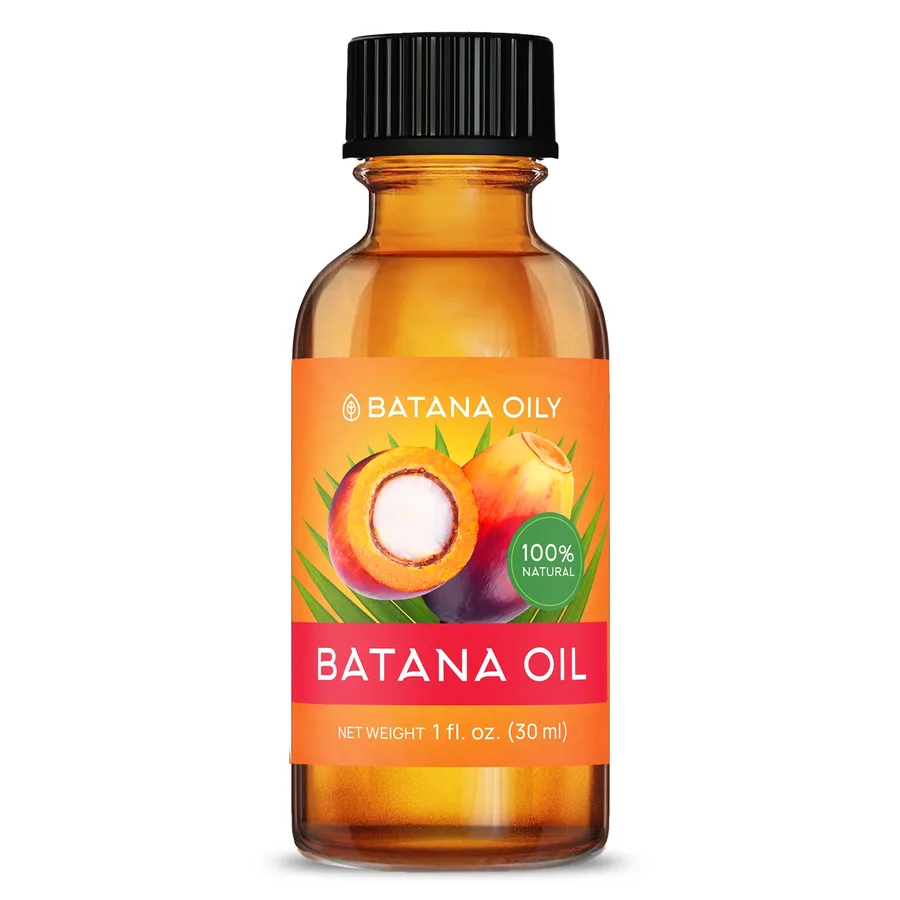
Natural Batana Oil
Honduran batana oil and batana butter, from a small bottle to bulk sizes.
From $12.99
Shop Batana Oil →Sources & Further Reading
- Association Between Severe Acute Contact Dermatitis Due to Nigella sativa Oil and Epidermal Apoptosis (JAMA Dermatology, 2018)
- Nigella Sativa (Black Cumin) Oil: A Case Report and Analysis Exploring Severe Cutaneous Manifestations and Implications for Patient Care (Journal of Clinical and Aesthetic Dermatology, 2024)
- Drug reaction with eosinophilia and systemic symptoms (DRESS) syndrome after topical use of Nigella sativa (black cumin) oil (Contact Dermatitis, 2022)
- Assessment of the Quality, Bioactive Compounds, and Antimicrobial Activity of Egyptian, Ethiopian, and Syrian Black Cumin Oils (Molecules, 2024)
- Functional, Nutraceutical, and Pharmacological Properties of Black Seed (Food Science & Nutrition, 2025)
- Characterization of Mesocarp and Kernel Lipids from Elaeis guineensis Jacq., Elaeis oleifera [Kunth] Cortés, and Their Interspecific Hybrids (Journal of Agricultural and Food Chemistry, 2017)
- How to test skin care products (American Academy of Dermatology)