Batana Oil vs Jamaican Black Castor Oil: What Differs
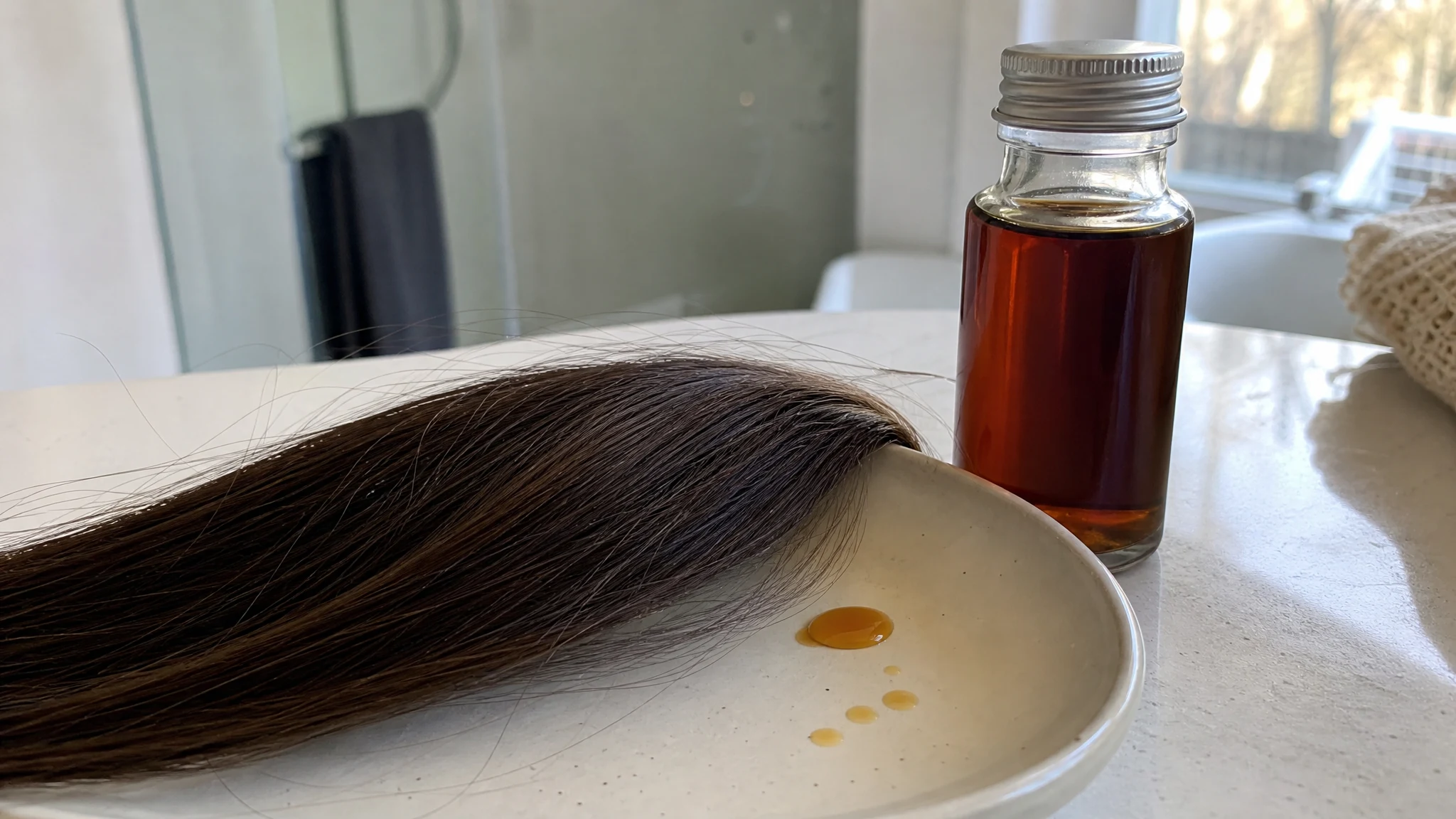
Set a bottle of ordinary castor oil next to a bottle of Jamaican black castor oil and you can see the difference before you read a word: one is pale and clear, the other is the colour of strong coffee. That colour is the whole story of JBCO, and it is also the best way into deciding how it compares with batana oil.
What the roasting does
Regular castor oil, the kind most pharmacies sell, comes from pressing the bean. Jamaican black castor oil starts the same way and then takes a detour through fire. A 2017 report in the Jamaica Gleaner on a Jamaican industry workshop describes the traditional method: the beans are picked, threshed, roasted and boiled, then beaten to a pulp with a mortar and pestle and boiled again until the oil comes out. The article ties the oil's dark colour to the roasting of the bean.
The ash is the part you hear about next. Beauty-press and retail descriptions say the roasting leaves a little ash in the oil, that the ash is what makes it so dark, and that it makes the oil more alkaline than the pale kind. We went looking for a published measurement and did not find one. The figures quoted by sellers disagree with each other, and none of them names a method. It is also worth knowing that pH is a measure made in water, and oil is not water, so a pH number for an oil is a loose idea rather than a lab fact. Our reading is that the roasting and the darker colour are well documented, and that the alkaline story is a seller's explanation we would not build a routine on.
What stays the same
Under the colour, it is still castor oil. A recent review of the castor plant puts ricinoleic acid at roughly 85 to 90 percent of the oil, and that fatty acid is the reason castor is so thick. So expect what castor always gives you: a dense, slow-moving oil that coats the hair and takes some shampooing to rinse out. Our batana versus castor comparison goes through that chemistry. JBCO is marketed with big promises about what it does to hair, and we are leaving those out here. What we can say is what any oil on the hair does: it conditions, it softens, and it can add shine. If you are worried about your hair itself, a board-certified dermatologist is the right person to ask.
Where batana oil differs
Batana oil comes from the nuts of the American oil palm, a palm-family fat. In published analyses of that palm's kernels, the main fatty acids are lauric, myristic and oleic acid, a different family from castor's single dominant fatty acid. In practice that is why batana belongs in a conversation about feel and routine, not about winning. We do not publish a lab profile for our own jar, so treat that as a description of the species. What we do say is that our Natural Batana Oil has an earthy aroma and is made in Honduras, and that our Natural Batana Butter is the thicker form with the same uses and is less likely to drip.
The aroma is where we would send you for a small test. Roasting changes the smell of anything it touches, as anyone who has smelled coffee knows, and a roasted oil and an earthy palm oil are different company on your pillowcase. Neither is better; one will simply suit you.
Which fits where
- A deliberate wash-day treatment on thick or coily hair. Either works. The American Academy of Dermatology suggests a hot oil treatment about twice a month for moisture and elasticity on Black hair, with conditioner at every wash. Choose the one whose weight and smell you enjoy. Our 4C hair guide shows how we would use batana in that routine.
- Fine or easily weighed-down hair. Neither is a light finish. Keep either to the last few inches, and our fine hair post explains how little is enough.
- Getting it out afterwards. Castor is famously stubborn, and JBCO has the same thick base. Our wash-out guide covers the routine for batana, and a second lather helps with either.
Can you use both? Yes, and we would add them one at a time so you can tell which does what. Our hair oil comparison puts them beside the rest of the lineup, and the chebe comparison covers a different tradition altogether. We do not sell castor oil of any kind; a pharmacy, grocery store or craft supply shop will have it.
Skin and hair vary from person to person, so patch test before first use of either oil and keep both away from your eyes. After that, the best oil is the one that makes wash day something you look forward to.
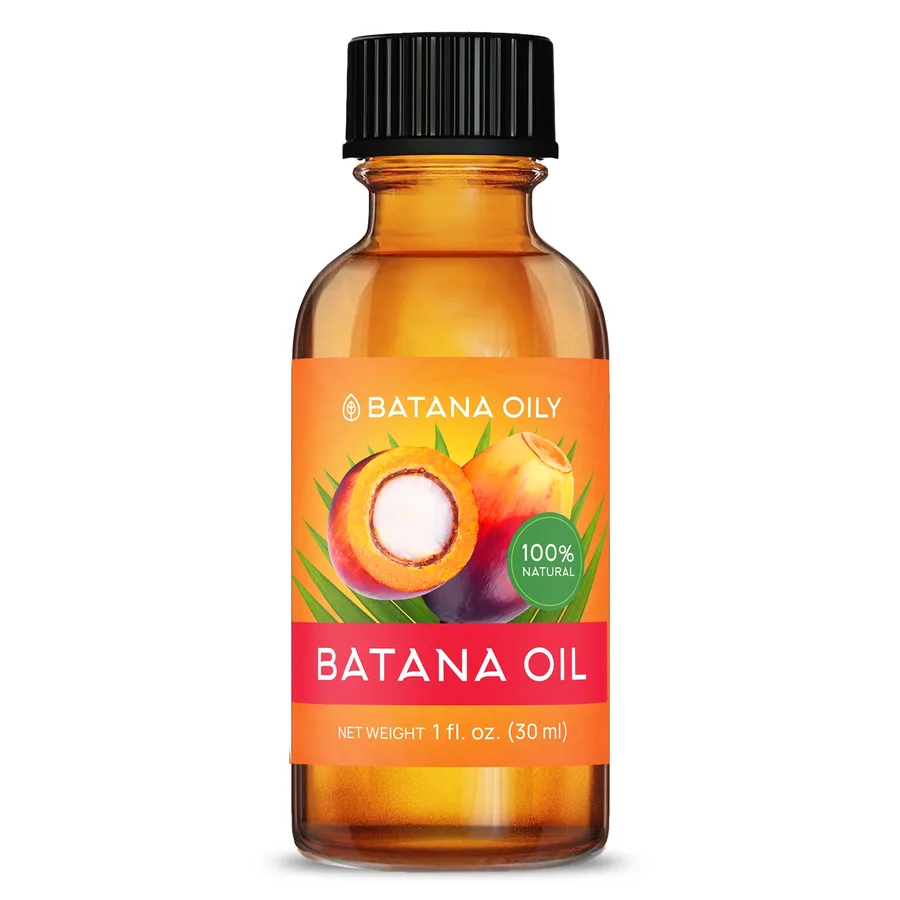
Natural Batana Oil
Honduran batana oil and batana butter, from a small bottle to bulk sizes.
From $12.99
Shop Batana Oil →Sources & Further Reading
- Jamaica Gleaner report on the Jamaican black castor oil industry, 26 July 2017
- The science behind Jamaican black castor oil for hair, Spell Magazine, 2023 (the ash and alkalinity description; it cites no studies)
- Phytochemistry, Pharmacological Potential and Industrial Applications of Ricinus communis L.: A Review, 2026
- Characterization of Mesocarp and Kernel Lipids from Elaeis guineensis Jacq., Elaeis oleifera [Kunth] Cortés, and Their Interspecific Hybrids, Journal of Agricultural and Food Chemistry, 2017
- Black hair: Tips for everyday care, American Academy of Dermatology