Batana Oil vs Shea Butter: Oil, Butter or Both?
Shea butter is the fat most home makers reach for first, and for good reason: it is firm in the jar, soft on the skin and easy to find. So when we say batana butter and batana oil can do many of the same jobs, the fair question is where shea still wins, where batana earns its place, and what happens when you put them in the same pot.
What makes shea shea
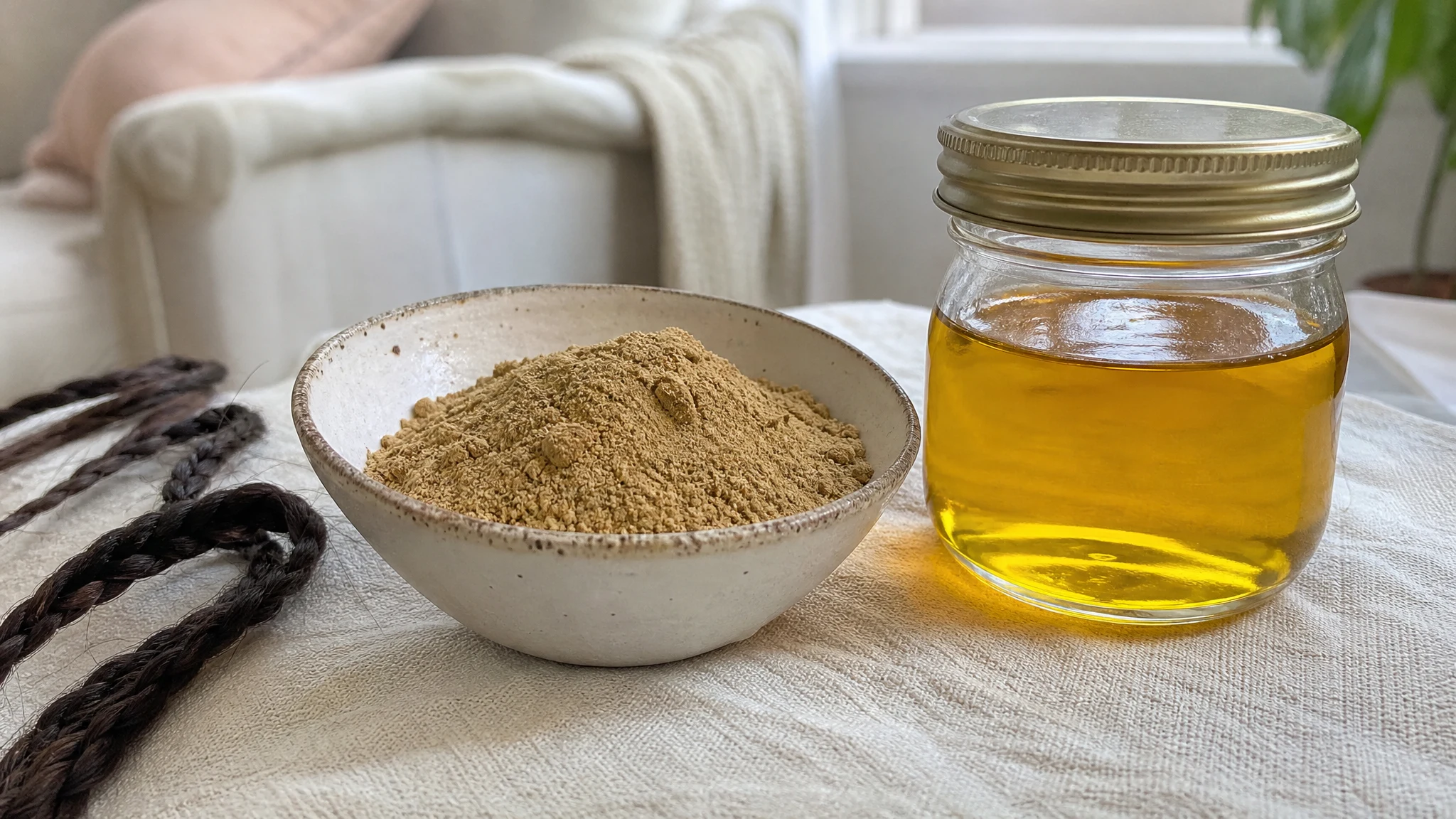
Shea butter is mostly two fatty acids in near-equal measure. In a 2023 study of crude shea butter, stearic acid made up about 43.5 percent and oleic acid about 45.8 percent, and the butter melted at 32 °C. That is the whole reason it behaves the way it does. Stearic acid is the firm, saturated half; oleic acid is the soft half. Together they give you a butter that holds its shape on a shelf and turns to liquid just below body temperature, so a fingertip of it softens as you rub it between your palms.
A review of shea butter chemistry adds the part cosmetic makers care about: shea carries an unusually large unsaponifiable fraction, the portion that is not fatty acid, much higher than most vegetable oils. It is a large part of why makers keep choosing shea for skincare, and we would not read more into it than that: it describes the butter, not an outcome on your skin.
What batana brings
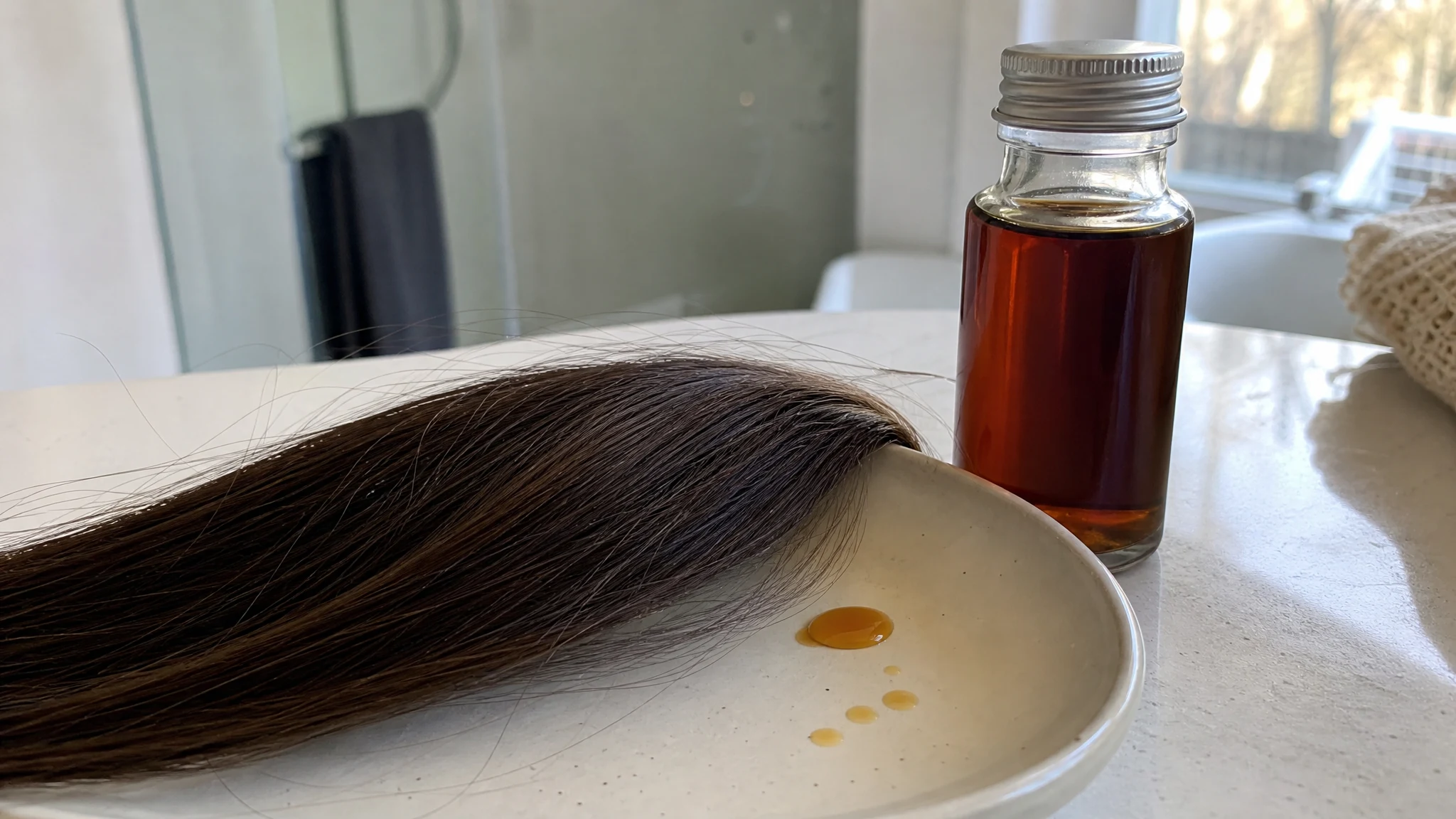
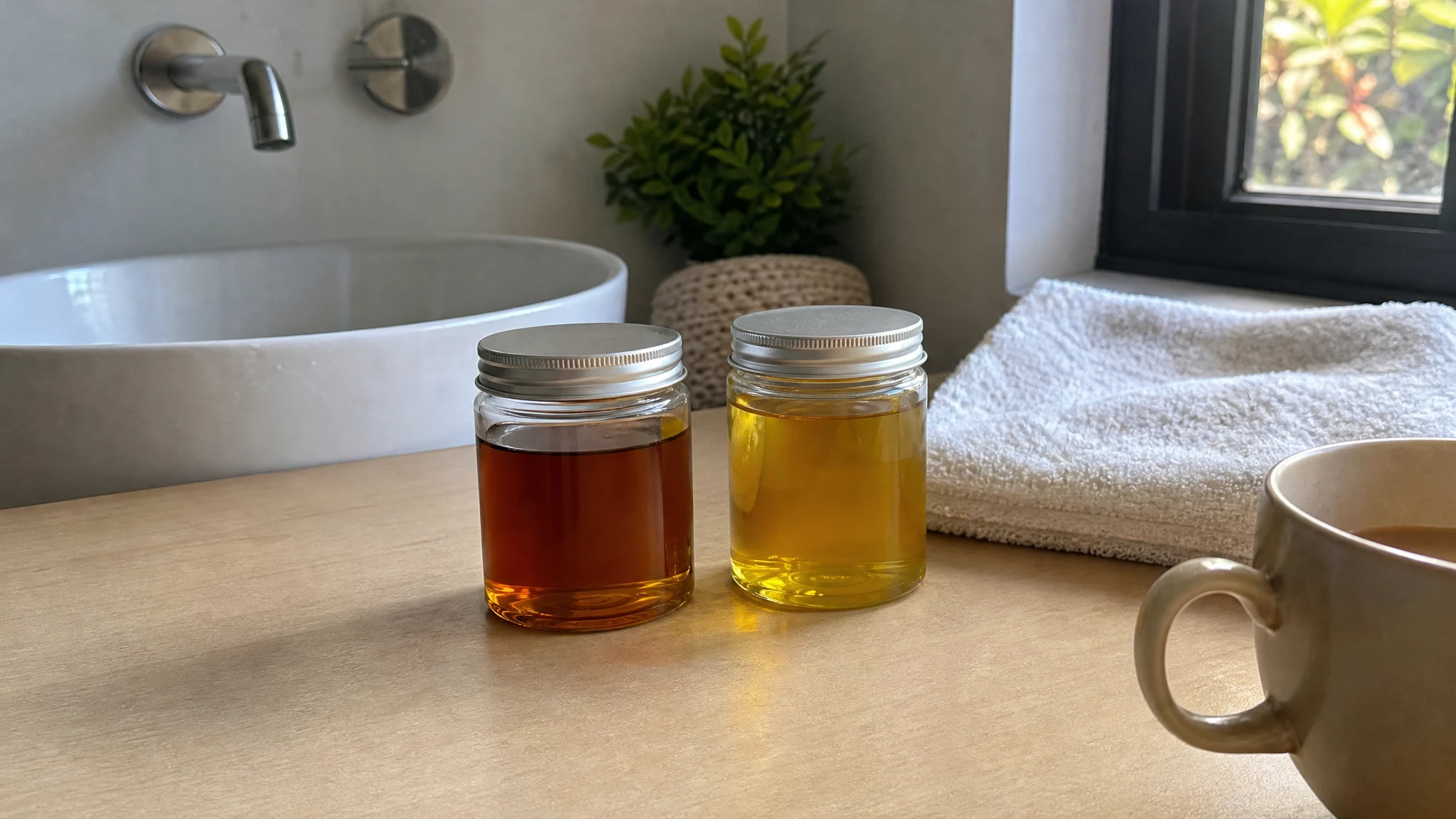
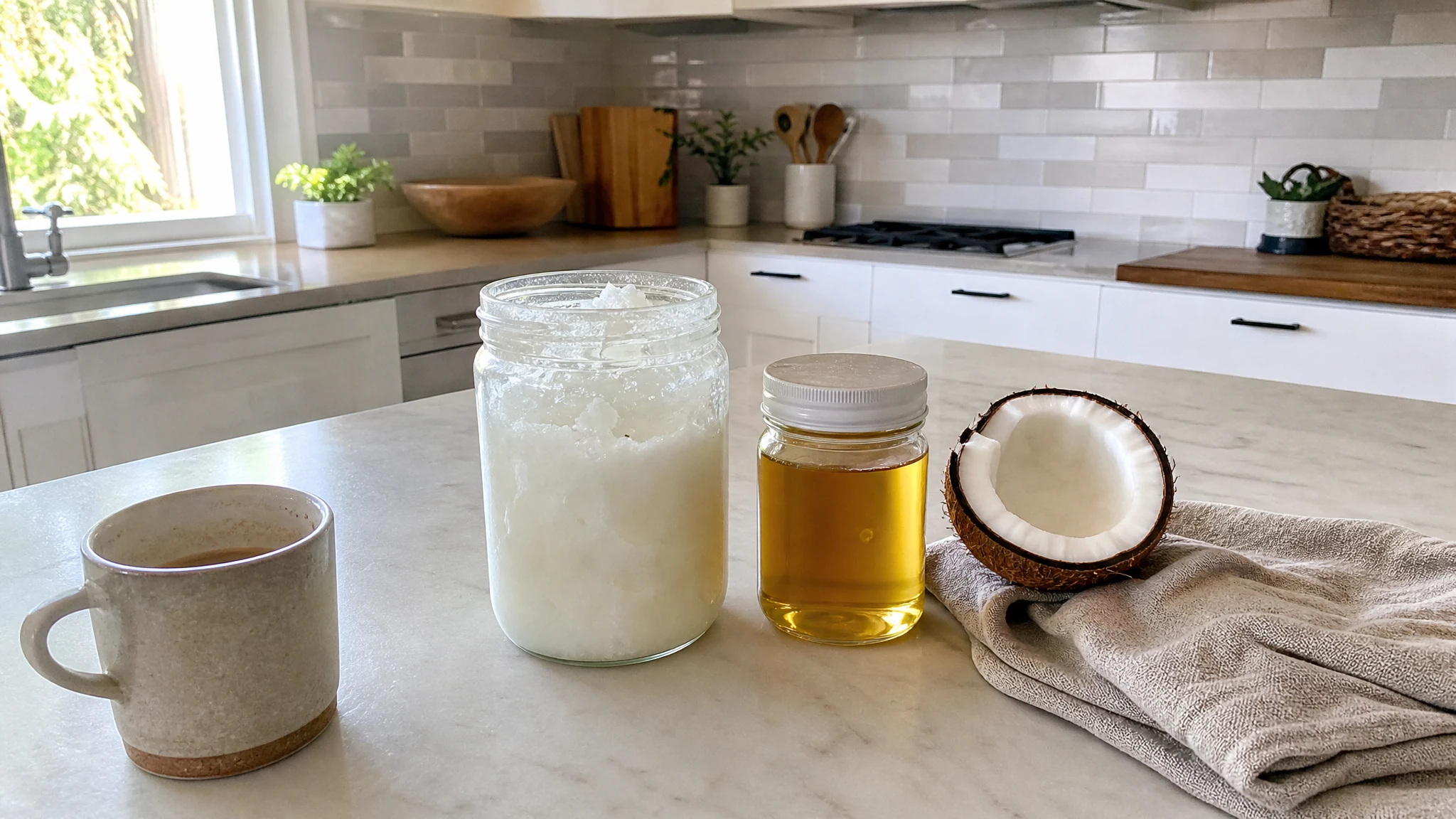
Batana oil comes from the American oil palm, and its kernels are rich in lauric, myristic and oleic acid, which puts it in the palm family of fats that firm up when it gets cool and loosen when it warms, something we explain in our post on why batana oil goes grainy or solid. We do not publish a lab profile or a melting point for our own jar, so we would never promise how it sets in yours. What we can tell you is simpler. Natural Batana Oil has an earthy aroma and mixes easily, and Natural Batana Butter is the thicker form with the same uses, less likely to drip or spill. If you are deciding between our two, our oil versus butter post sorts that out.
Weight, scent and where each belongs
On hair, both are rich, and both reward restraint. Put either on dry ends in a pea-sized amount and build up slowly. Leave-on products can accumulate, and a 2015 review of hair cosmetics notes that a periodic clarifying shampoo helps with that. Our wash-out guide covers the routine.
On skin, the American Academy of Dermatology points out that creams and ointments add more moisture than lotions, and that moisturizer goes on best while the skin is still damp after a bath. A thick butter, shea or batana, fits that advice for elbows, heels and the backs of hands.
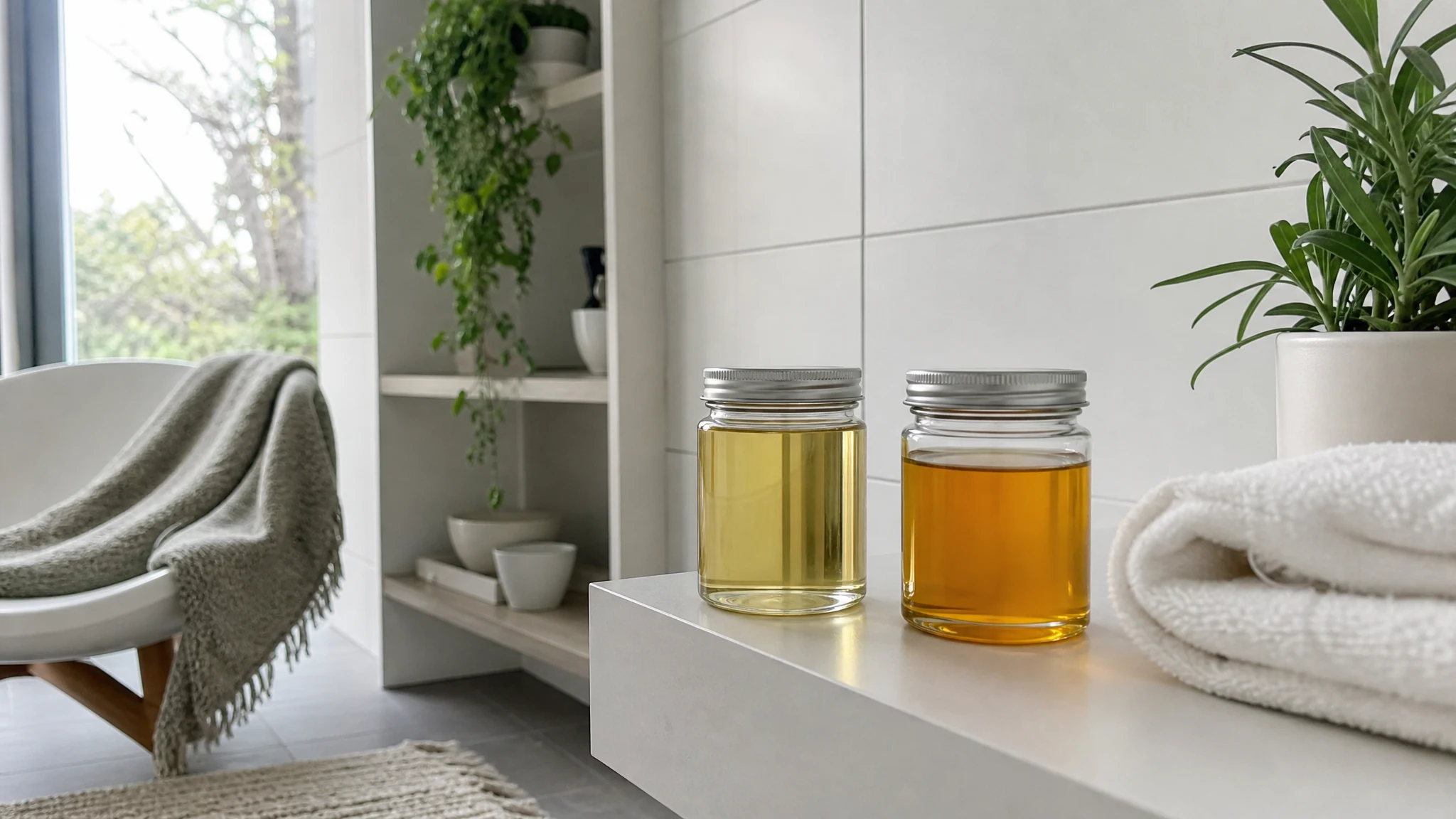
Scent is the honest difference. Our batana is earthy and steady. Shea depends on what you buy: the study that gave us the numbers above compared crude shea butter with refined versions, and they are different products, so smell the jar you pick before you commit. If you like a quiet, earthy base, batana gives you that without anything else in the pot.
Availability is the last difference, and we mean it as a fact, not a ranking. Shea is a pantry staple at craft supply shops. The American oil palm is rarely planted and yields significantly less oil than the African palm, according to a 2020 review, which is part of why batana is a more specialised oil, a story we tell in why batana oil costs what it does.
Using them together
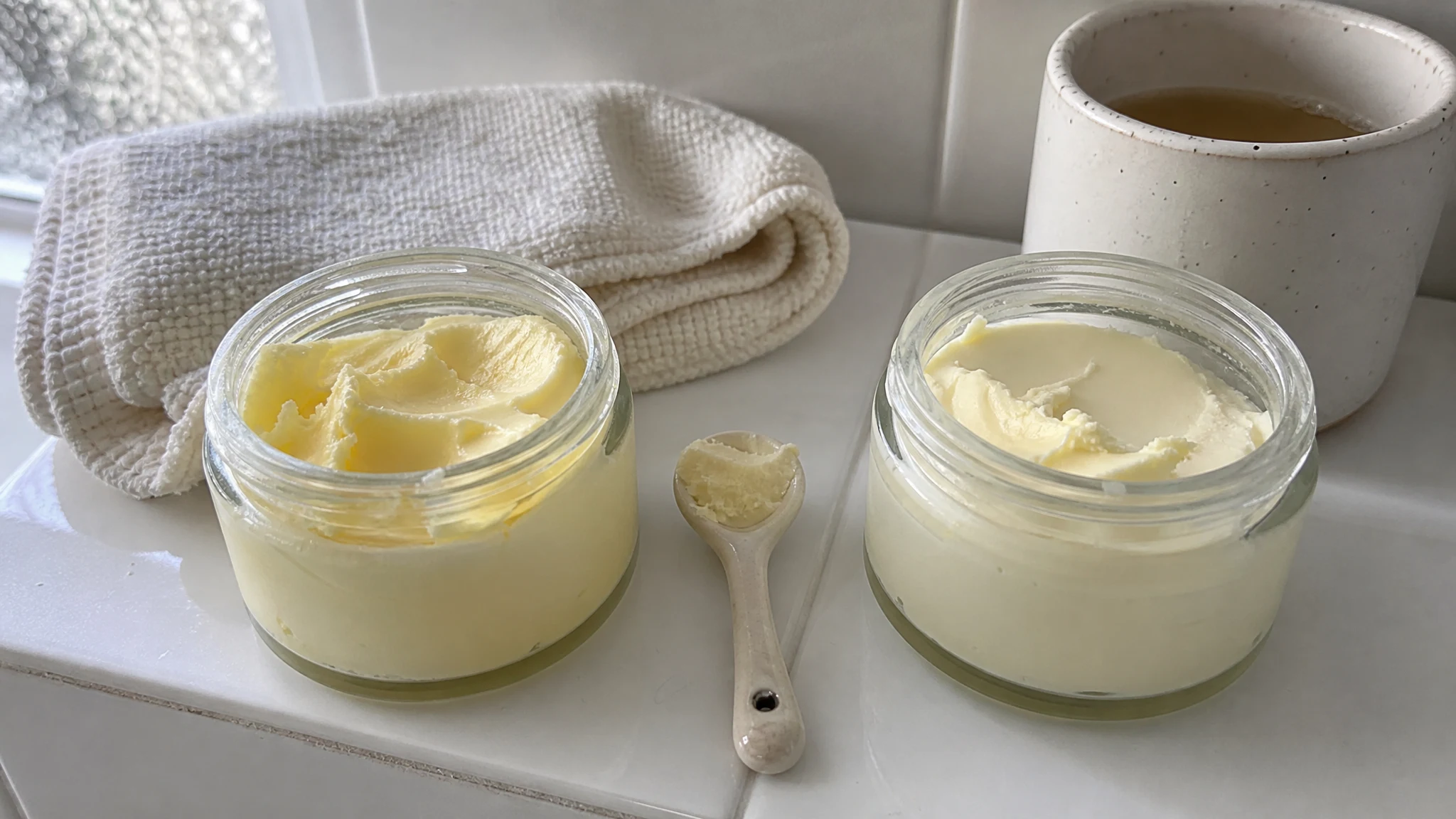
The two are not rivals in a mixing bowl. Shea gives a butter body and a predictable set, and batana adds its earthy aroma and its own conditioning feel. That is the logic behind our whipped batana hair butter, where a 4 oz jar of our butter pairs with 2 oz of shea and a little light oil, and behind our batana beard balm, where batana butter can replace some or all of the butter that most recipes assign to shea. Both recipes are built the same way: weigh the fats, melt them completely, and let them cool evenly, because shea and any palm-family fat will get grainy if they cool slowly or swing in temperature.
Our recommendation, from the facts above: if you want a firm, familiar butter for structure, shea is a good choice and you can find it nearby. If you want an earthy aroma and a single-ingredient jar, choose batana. If you are making something, do both. We do not sell shea butter, so a craft supply shop is the place to look.
Whichever you reach for, skin and hair vary from person to person, so patch test before first use, keep it away from your eyes, and see a dermatologist for anything medical. A jar you enjoy using beats the perfect one that stays on the shelf.
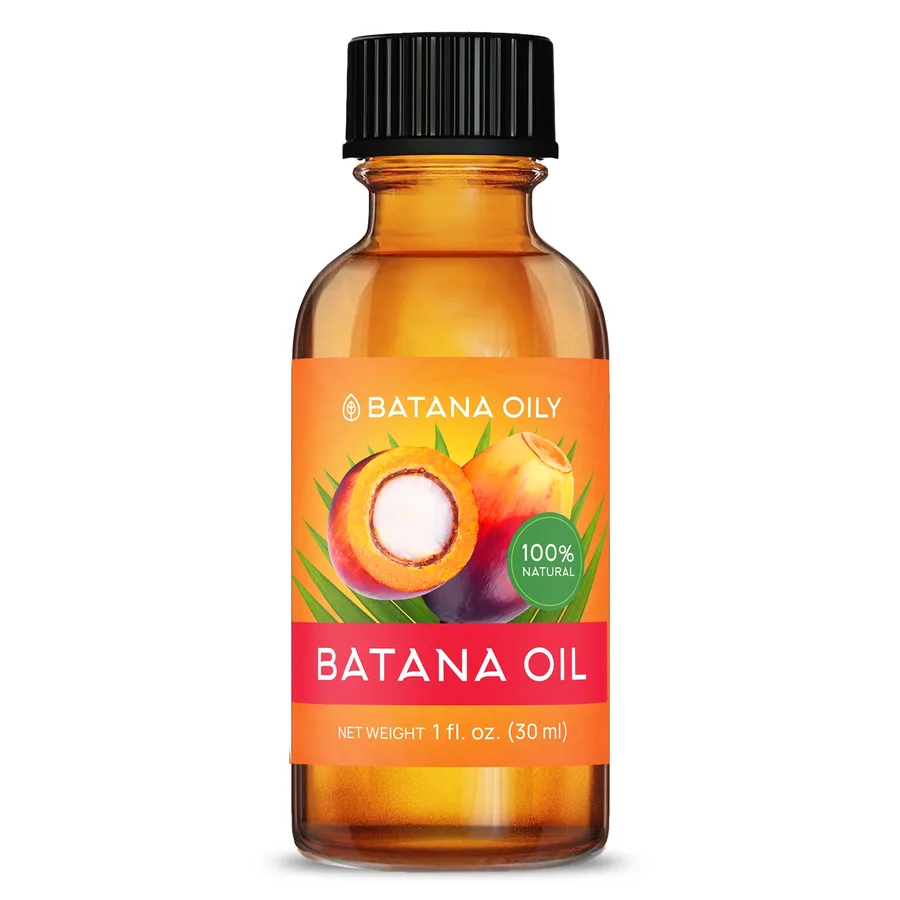
Natural Batana Oil
Honduran batana oil and batana butter, from a small bottle to bulk sizes.
From $12.99
Shop Batana Oil →Sources & Further Reading
- Effect of Refining and Fractionation Processes on Minor Components, Fatty Acids, Antioxidant and Antimicrobial Activities of Shea Butter, Foods, 2023
- African Shea Butter Properties Related to Common Extraction Technologies: A Review, Goumbri et al.
- Characterization of Mesocarp and Kernel Lipids from Elaeis guineensis Jacq., Elaeis oleifera [Kunth] Cortés, and Their Interspecific Hybrids, Journal of Agricultural and Food Chemistry, 2017
- Current Knowledge on Interspecific Hybrid Palm Oils as Food and Food Ingredient, Foods, 2020
- Hair Cosmetics: An Overview, International Journal of Trichology, 2015
- Dermatologists' top tips for relieving dry skin, American Academy of Dermatology